
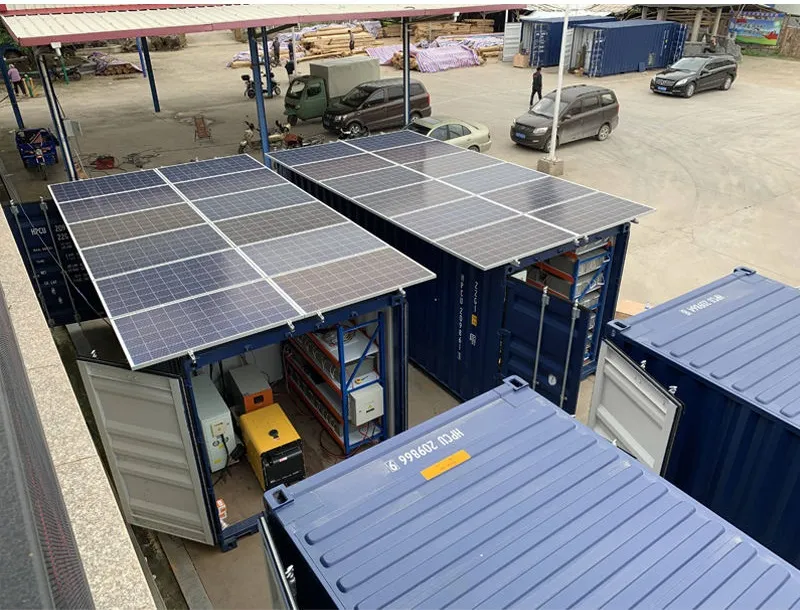
Picture this: you're standing in a field of solar panels, squinting at the little metal plaque on the back. It's like reading hieroglyphics - Voc, Isc, Pmax, %/°C. Most folks' eyes glaze over faster than a donut in a hot car. But here's the deal - understanding these specs is the difference between getting ripped off and investing wisely in your energy future.
The nameplate isn't just manufacturer bragging rights. It's the DNA blueprint of your solar panels. Miss something here, and you could be looking at 20-30% less power than you bargained for. That's like buying a truck that mysteriously shrinks every year until it becomes a tricycle.
Ever noticed how burgers in commercials look better than what you actually get? Solar wattage ratings work the same way. STC (Standard Test Conditions) are those perfect laboratory conditions - 77°F, no wind, perfect sunlight. PTC (PVUSA Test Conditions) is the burger you actually get - real-world temperatures and lower efficiency.
Think of STC like a pro athlete's stats during practice, but PTC is their actual game performance. That 400W panel? Might only give you 350W in Phoenix summer when your roof hits 150°F.
This sneaky spec tells you how much power your panels lose when they heat up. A rating of -0.35%/°C means for every degree above 77°F, you lose 0.35% power. In Arizona summers where panels can hit 160°F? That's 25-30% power loss before clouds even show up.
Open Circuit Voltage (Voc) is what happens when your solar panel daydreams about being disconnected. It's the maximum voltage the panel can produce with no load. Exceed this with cold weather? Poof goes your inverter's warranty.
Voc is like your car's speedometer redline. Push past it often enough, and things get expensive quickly. That -0.35%/°C temperature coefficient? It works backward with voltage. Cold mornings can spike voltage 20% higher than specs.
The Maximum Power Point Voltage (Vmpp) is where your panels actually operate under load. This is the voltage your MPPT (Maximum Power Point Tracker) hunts for like a bloodhound. Get enough panels whose Vmpp adds up outside your inverter's range? Congratulations, you've built the world's most expensive roof decoration.
While voltage is the push, current (measured in amps) is the actual flow of energy. Short Circuit Current (Isc) is what happens when you connect panel terminals directly together. It's the maximum current possible, like opening a fire hydrant.
This is where your panels and inverter hold hands and sing in harmony. Your wiring and fuses absolutely depend on getting this right. Skimp on wire gauge? That's like drinking milkshakes through coffee stirrers - messy and inefficient.
A panel rated at 400W with -0/+5% tolerance means it could be anywhere from 400W to 420W. Negative tolerance? That's the manufacturer saying "we know we undersell." That's why quality manufacturers guarantee zero negative tolerance.
Nominal Operating Cell Temperature is how hot your panels actually get in the wild. Lower NOCT (usually 45°C) means better performance where it counts - on your roof during summer.
Choosing panels based on NOCT instead of just STC wattage is like comparing cars by actual highway mileage instead of dealership brochures. Smart solar panel suppliers provide detailed NOCT specifications to help customers accurately forecast long-term benefits.
Now that you're fluent in solar-speak, here's how these parameters work together:
Understanding nameplate specs protects you from "specmanship" - manufacturers pumping wattage while hiding poor temperature coefficients or voltage curves. Just because two panels both say "400W" doesn't mean they'll perform similarly when mounted on your rooftop.
Quality building materials like properly specified solar panels contribute significantly to both residential and commercial building projects. Whether you're designing sustainable architectural façade solutions or just powering your home, these numbers make the difference between energy independence and expensive yard art.
At the end of the day, solar isn't magic - it's engineering. And like any good engineering, the devil's in the details. The nameplate isn't fine print - it's the blueprint.
Recommend Products












