
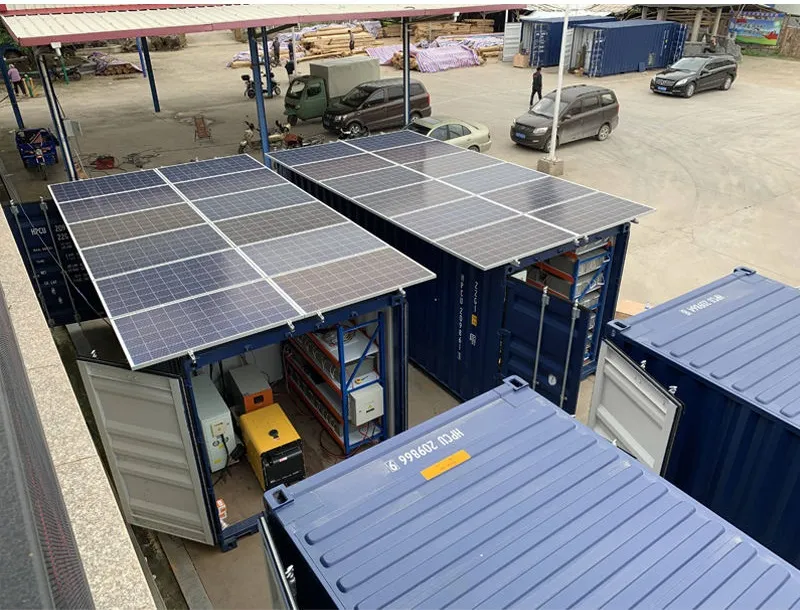
You've probably seen solar panels popping up everywhere – on rooftops, in fields, even powering road signs. But have you ever wondered what makes these high-tech devices safe and reliable? That's where IEC 61215 and IEC 61730 come into play. These international standards are like the quality control superheroes for solar modules, ensuring they can withstand everything Mother Nature throws at them while delivering consistent power for decades.
Let's break this down in plain terms. Imagine buying a car without safety standards – no airbags, questionable brakes, maybe the doors fly off at highway speeds. Scary thought, right? Well, IEC standards prevent that solar version of disaster. They're the reason you can install panels on your roof without worrying they'll become fire hazards during a heatwave or shatter during the first hailstorm.
IEC 61215: The Torture Test – This is all about performance and durability. It answers questions like: Will this panel still work after being baked at desert temperatures? Can it survive Siberian winters? What happens when it's pummeled by golf ball-sized hail? Manufacturers put their pv modules through brutal simulations that mimic 25+ years of weather abuse in just a few weeks.
IEC 61730: The Guardian Angel – While 61215 tests endurance, this standard focuses purely on safety. It ensures electrical components won't electrocute installers, prevents fires when things go wrong, and makes sure panels won't spontaneously combust on your roof. Think of it as the solar equivalent of crash-test ratings.
Together, these standards form a complete protection package. 61215 asks "Will this panel survive?" while 61730 asks "Will it survive safely ?" That distinction matters when you're generating high-voltage DC electricity in unpredictable environments year after year.
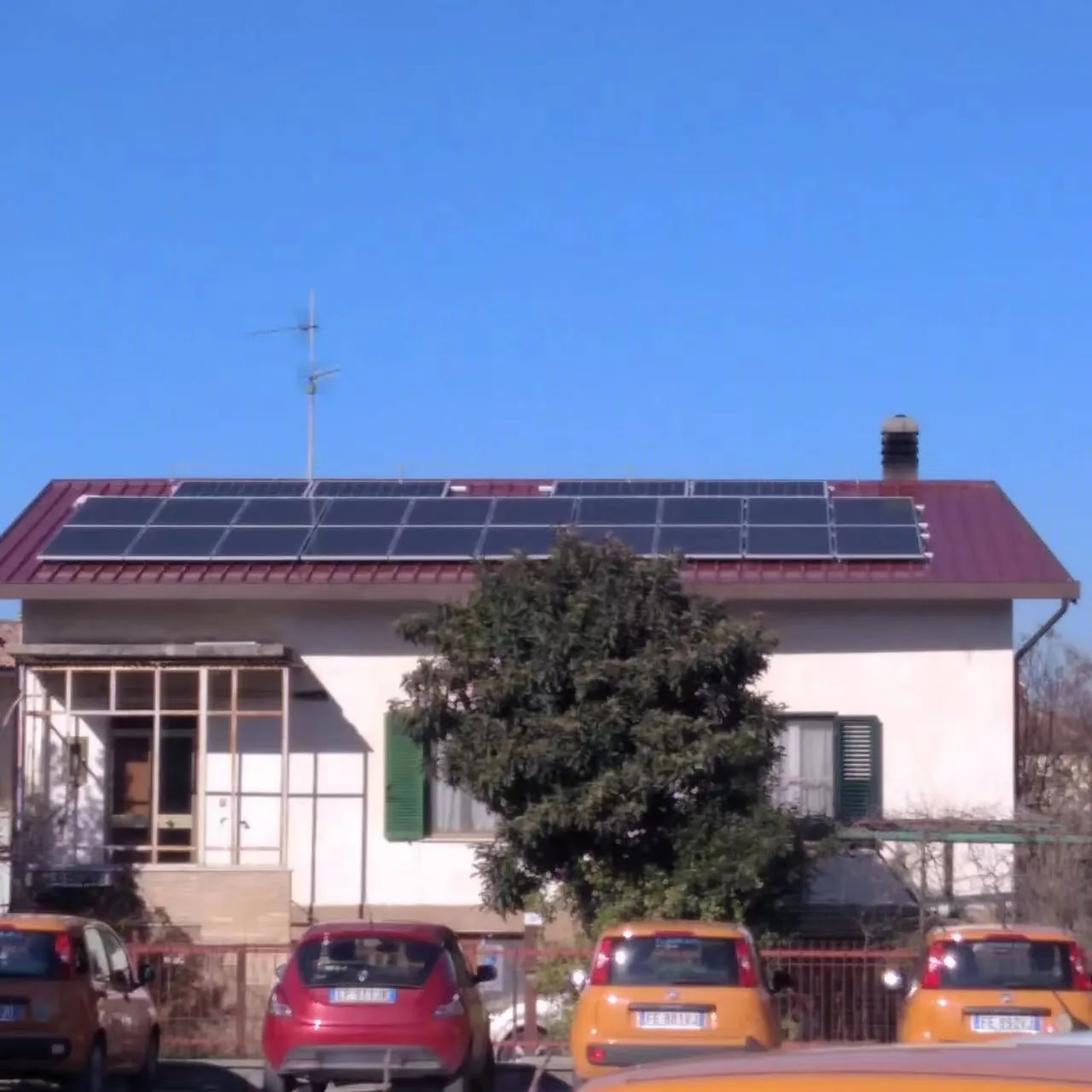
Whether you're a homeowner considering solar, an engineer designing a power plant, or just someone interested in renewable energy tech, these standards directly impact your life:
Remember that building material supplier you researched? They likely prioritize IEC-certified panels too – not just because it's required, but because failures mean costly recalls and reputation damage.
| Test Category | IEC 61215 Focus | IEC 61730 Focus | Real-World Scenario |
|---|---|---|---|
| Thermal Cycling | Performance after repeated -40°C to +85°C cycles | Electrical integrity during extreme temperature swings | Desert installations with 50°C daily swings |
| Humidity Freeze | Material degradation in humid, freezing conditions | Prevention of corrosion-induced electrical shorts | Coastal locations with salty, humid air |
| Mechanical Load | Structural integrity under snow/wind loads | Safety during structural failure scenarios | Heavy snow accumulation on tilted roofs |
| Hail Impact | Glass durability against ice projectiles | Containment of broken glass shards | Midwestern U.S. hailstorms |
| Partial Shading | Performance with non-uniform illumination | Prevention of dangerous "hot spot" heating | Tree shadows moving across panels |
Fun fact: The hail test actually uses an ice cannon shooting standardized ice balls at over 80 mph! Panels must survive impacts without cracks that compromise safety or performance. Try getting that image out of your head next time you see a solar installation.
Certification isn't just about lab performance – it influences real-world engineering decisions:
Mounting & Framing: 61215's mechanical load tests directly impact racking design. Ever wonder why installers space mounting points specifically? Because testing shows where stress concentrates after simulated decades of wind pressure.
Material Selection: Backsheet materials must pass UV resistance tests equivalent to 25 years of desert sun. That chemical formulation matters – cheaper alternatives yellow and crack, reducing output and potentially exposing wiring.
Electrical Design: 61730 requirements dictate component spacing, insulation thickness, and arc-fault protection. This determines whether a damaged panel merely stops working versus potentially starting a roof fire.
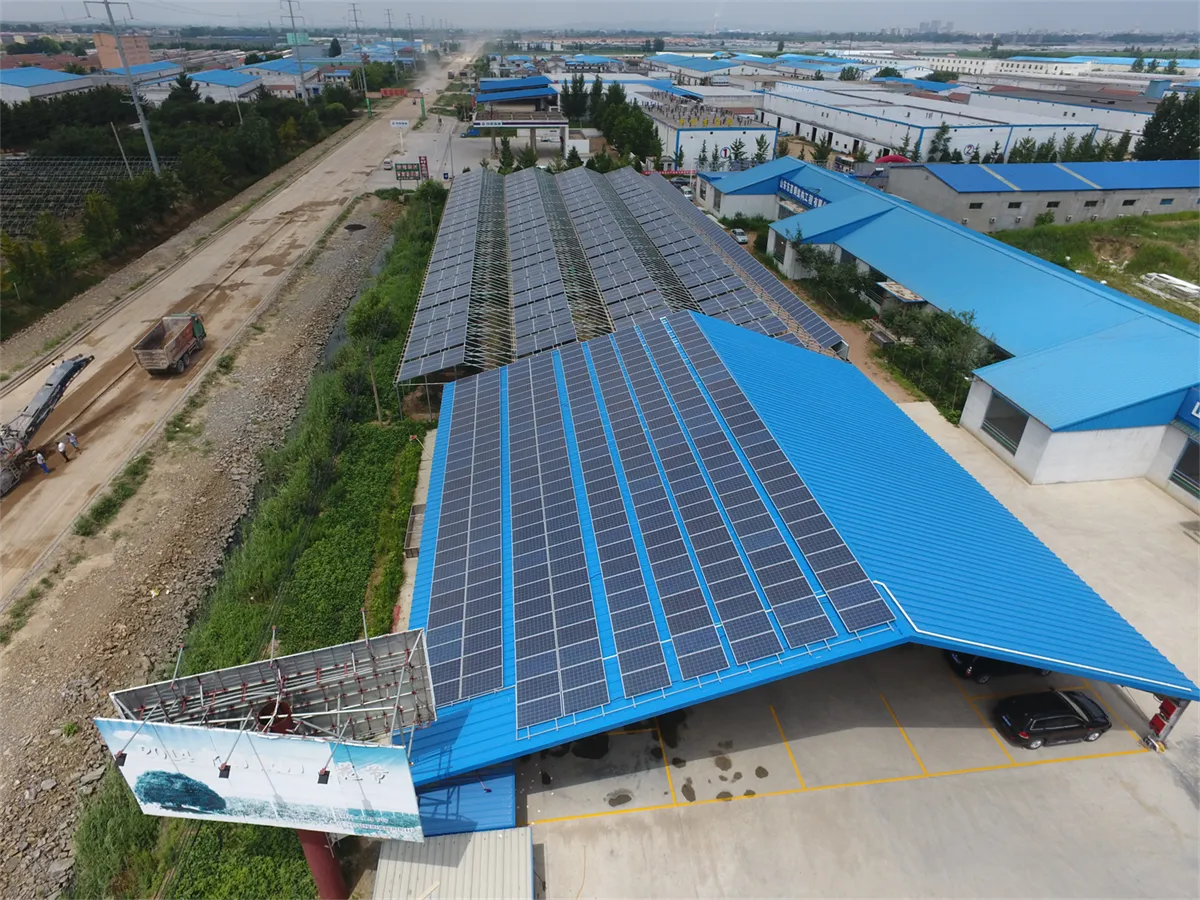
So when you see solar panels on a warehouse or hospital (critical infrastructure requiring top-tier electrical equipment), you're seeing IEC compliance in action. Those installation choices began years earlier in certification labs.
Not all "compliance" claims are equal. Here's how to decipher manufacturer claims:
Reputable manufacturers proudly display certification details – including test report numbers you can verify. If this info is hard to find? Be skeptical. Your roof's long-term safety and performance are worth vetting.
As solar evolves, so do the standards. Current revisions address emerging tech:
Bifacial Panels: New tests measure performance when light hits both sides – a game-changer for ground-mounted systems.
Dynamic Mechanical Loads: Simulating not just static snow weight, but wind-induced vibrations that fatigue materials over time.
Harsh Environment Protocols: Separate test sequences for extreme climates – think Saharan dust storms or Arctic ice buildup.
Cybersecurity: With smart inverters and grid integration, future standards may address data protection.
Bottom line: IEC standards don't just protect today's installations – they're evolving to ensure tomorrow's breakthrough tech (like perovskite or organic PV cells) meet the same rigorous safety and reliability benchmarks from day one.
Armed with this info, here's how to make smarter solar decisions:
Like any good architectural façade solutions expert knows: cutting corners on foundational elements always costs more later. With solar now a 25+ year investment, IEC standards provide that crucial foundation for performance and safety.
So next time you see solar panels shimmering in the sun, remember there's an invisible shield around them – woven from thousands of lab hours, temperature extremes, simulated hailstorms, and safety certifications. IEC 61215 and 61730 might not be dinner party conversation starters (unless you're at an engineer's house!), but they're the unsung heroes enabling solar's global expansion.
These standards give confidence to homeowners, stability to power grids, and rigor to an industry transforming how we power our world. They prove that renewable energy can be both cutting-edge and reliably safe – a combination that'll keep solar shining bright for decades to come.
Recommend Products












