
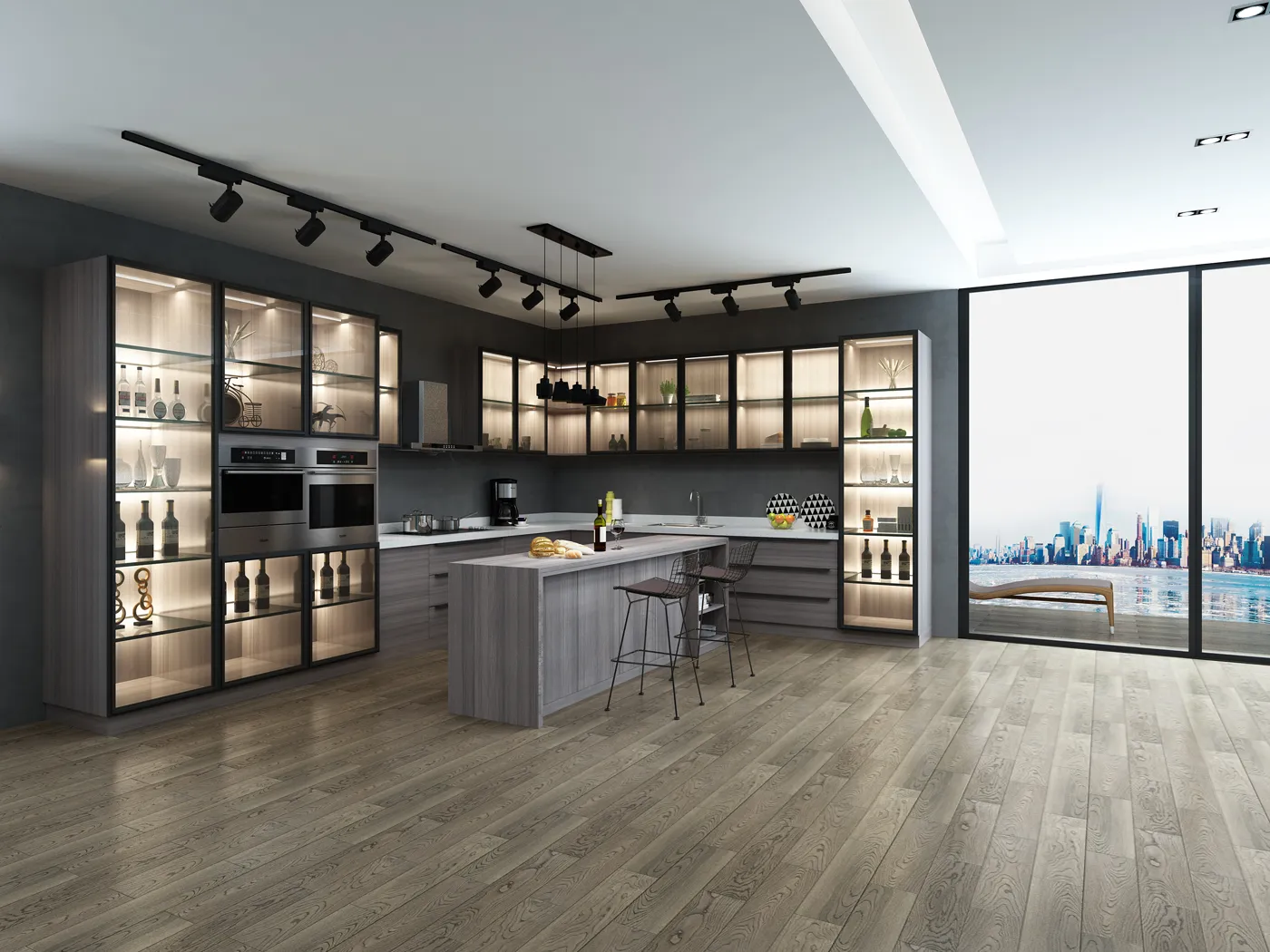
Walking through home improvement stores nowadays feels like a nature retreat. Cabinets whisper promises of "sustainable forests," "non-toxic finishes," and "eco-conscious manufacturing." But how much of this is genuine environmental stewardship versus clever marketing? Let's peel back the veneer and learn to distinguish authentic sustainability from ecological theater.
Much like deciphering a complex code, verifying environmental claims requires understanding key components and their relationships. Authentic sustainability relies on three interconnected pillars:
True sustainability starts at the source – often in forests continents away. The most credible manufacturers provide transparent sourcing documentation including GPS coordinates of harvest sites and replanting schedules. "Sustainable wood" becomes meaningful when paired with FSC (Forest Stewardship Council) or PEFC (Programme for the Endorsement of Forest Certification) certification numbers you can independently verify online.
A cabinet's environmental impact extends far beyond showroom appearance. Water reclamation systems, VOC capture technology, and energy sources matter profoundly. Manufacturers genuinely invested in sustainability often publish annual sustainability reports detailing:
These measurable data points reveal more than vague "eco-friendly" claims ever could.
The final protective finish represents a critical environmental interface. While many brands claim "low-VOC," the most reliable indicators come from independent certifications:
GREENGUARD Gold certification indicates products tested for over 10,000 chemicals with strict emissions criteria. Cradle to Cradle Certified evaluates material health across five sustainability categories. Unlike self-declared claims, these require third-party verification and periodic requalification.
Greenwashing typically follows predictable patterns that consumers can learn to spot:
A manufacturer highlights one environmentally positive attribute (e.g., "contains recycled materials!") to distract from larger ecological impacts (clear-cut lumber cores, formaldehyde-rich adhesives, energy-intensive manufacturing).
Unregulated terms like "eco-smart," "natural," and "earth-friendly" proliferate. A Yale University study found these appeared on 78% of home products with questionable verification. Meanwhile, terms requiring verification (like "organic") appeared on just 23%.
Selective disclosure of certifications that sound impressive but lack rigor. Some obscure certifications require merely paying fees rather than meeting meaningful standards. Always verify certification requirements through third-party sources.
Excessive use of natural imagery (forests, leaves, water droplets) on packaging and marketing creates subconscious environmental associations unrelated to actual practices.
Equip yourself with these investigative tools when evaluating kitchen cabinet environmental claims:
When a salesperson mentions certifications:
Forward-thinking manufacturers provide increasingly granular information through:
Blockchain tracking:
Companies like Koskisen allow scanning QR codes to view a wood panel's journey from forest to factory
Digital product passports:
Emerging EU requirements will mandate detailed environmental impact disclosures
Third-party verified life cycle assessments (LCAs):
Documents quantifying environmental impacts across manufacturing, use, and disposal phases
Ask pointed questions about material composition:
Manufacturers with genuine commitments will provide detailed answers, often including technical data sheets.
Truly eco-friendly choices extend beyond isolated cabinet selection to integrated design thinking:
The most environmentally advanced kitchens coordinate cabinetry with complementary sustainable materials like high-performance decorative stone counters made from recycled content, rapidly renewable bamboo flooring, and low-flow fixtures. Evaluate products as interdependent systems rather than isolated elements.
Forward-thinking manufacturers now design custom kitchen cabinets (a prominent keyword from our analysis) with reconfigurable components. Salvaged hardware, removable face frames, and standardized sizing enable future kitchen remodels without complete demolition – dramatically reducing landfill contributions.
Ask manufacturers about take-back programs. Companies like IKEA have implemented cabinet buy-back initiatives, while others partner with organizations like Habitat for Humanity ReStore to redirect used cabinets toward community housing projects rather than landfills.
The journey toward genuinely sustainable kitchens requires decoding complex claims with the precision of analyzing technical specifications. When we collectively demand verified transparency, manufacturers must evolve beyond superficial marketing.
The marketplace responds to what we reward with our wallets. By supporting manufacturers who provide auditable environmental data – and walking away from those offering only vague "eco-friendly" platitudes – we transform kitchen design from environmental liability to beacon of innovation.
As this industry continues evolving, the most credible manufacturers increasingly resemble open books rather than guarded fortresses. They welcome scrutiny because their processes withstand examination. They transform complex environmental accounting into accessible consumer information not through simplification, but through radical transparency.
Your kitchen remodel holds more than culinary potential – it contains power to accelerate sustainable manufacturing practices globally. So open those cabinet doors, peer beyond the finish, and ask the questions that drive authentic change. The trees – and future generations – will thank you.
Recommend Products












