
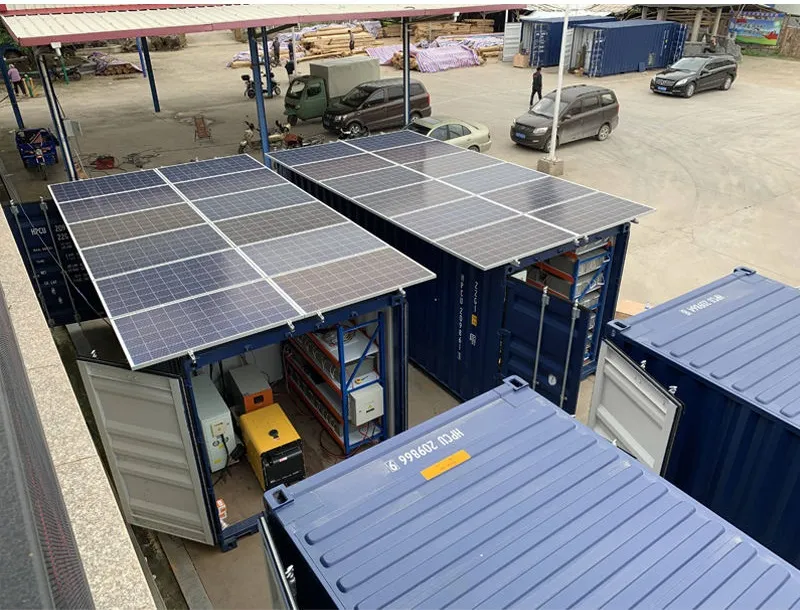
Ever wondered what happens when your rooftop solar panels start underperforming? You're not alone. As solar installations multiply globally, understanding and identifying abnormal power output has become crucial. Faults like shading, aging components, or electrical failures can silently drain efficiency. For instance, studies show residential solar maintenance costs average $116/year without proper monitoring systems.
Traditional approaches relied on manual inspections – like infrared imaging to detect hot spots or I-V curve analysis. But picture technicians climbing roofs monthly. Time-consuming, expensive, and reactive. New smart monitoring solutions detect issues in real-time by analyzing power data patterns, alerting before minor glitches become major headaches. This shift from repair-focused to prevention-focused strategies could save the industry billions.
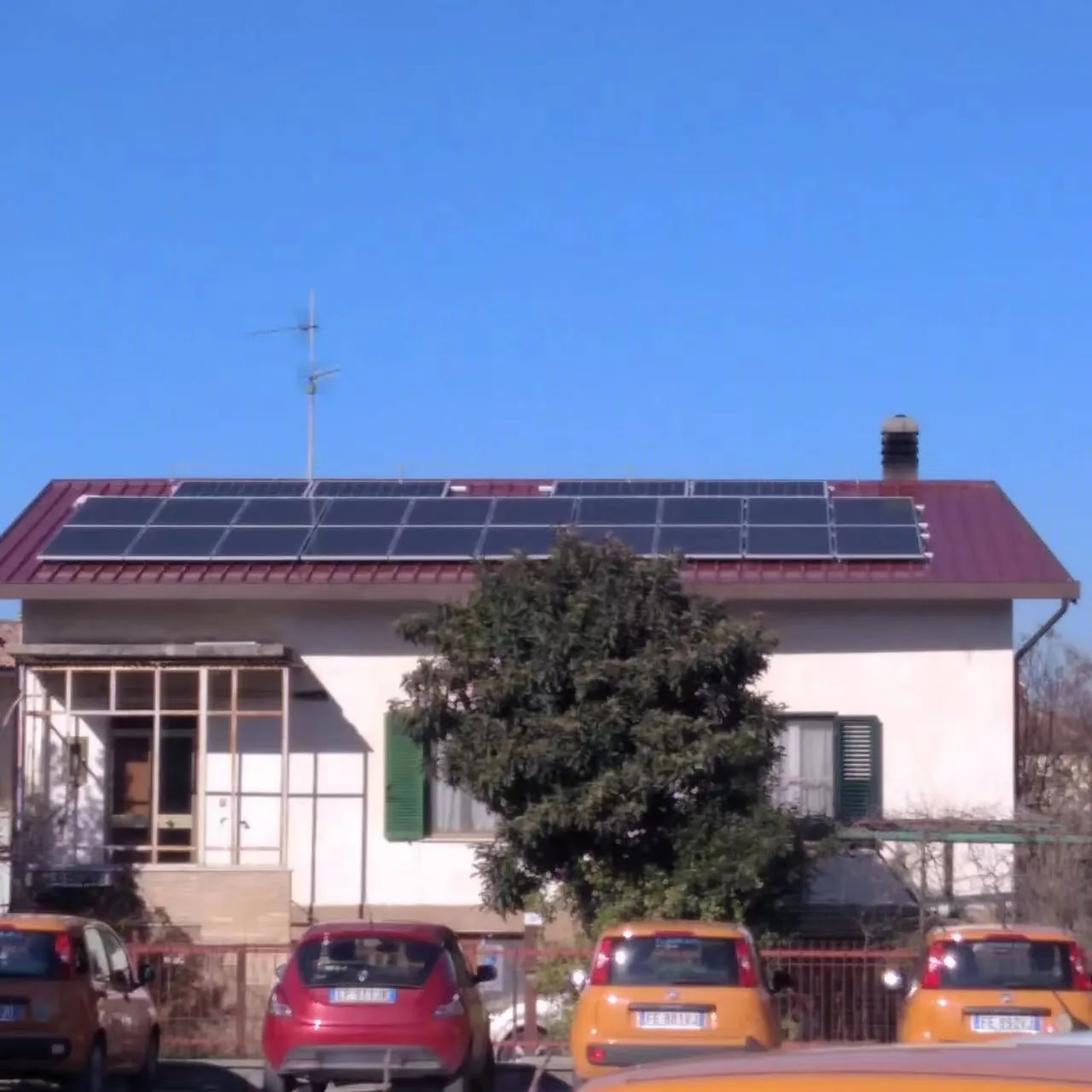
Solar panels face daily battles against environmental stressors. Imagine these four troublemakers:
Weather adds drama too. Cloud cover causes power "hiccups," while fog filters sunlight unpredictably. Research shows irradiance fluctuations during cloudy days can vary output by 60% compared to clear skies. Ignoring these patterns leads to false alarms – like blaming equipment when clouds pass.
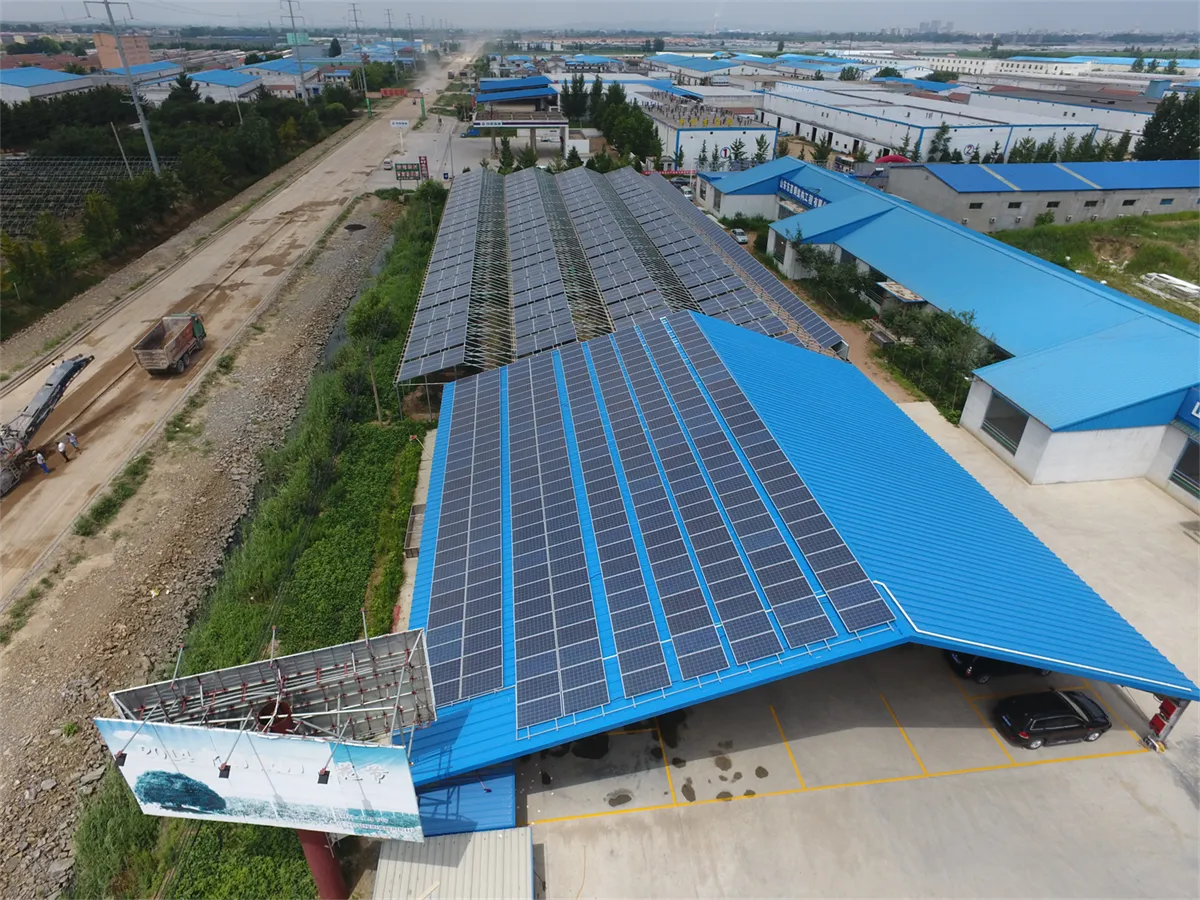
How do modern systems avoid weather-related false positives? Clear-sky detection. Algorithms filter out cloud-affected days using irradiance patterns. For example, clear days have smooth "arch-shaped" power curves, while cloudy days show jagged fluctuations.
Advanced systems go further using spatio-temporal correlations:
This twin-layered approach significantly minimizes false alerts and isolates real faults, ensuring technicians address actual problems rather than environmental noise.
The real revolution? QRRNN – Quantile Regression Recurrent Neural Networks. Unlike traditional threshold methods, this dynamic learner:
In tests against industry standards, QRRNN achieved 95% true detection rates with just 2.25% false alarms – outperforming alternatives like Isolation Forest (39.6% false alarms) or Local Outlier Factor (15.8% false alarms).
When choosing building materials for solar infrastructure, durability becomes paramount. Materials resistant to environmental stressors significantly impact long-term performance stability.
Other AI innovations include:
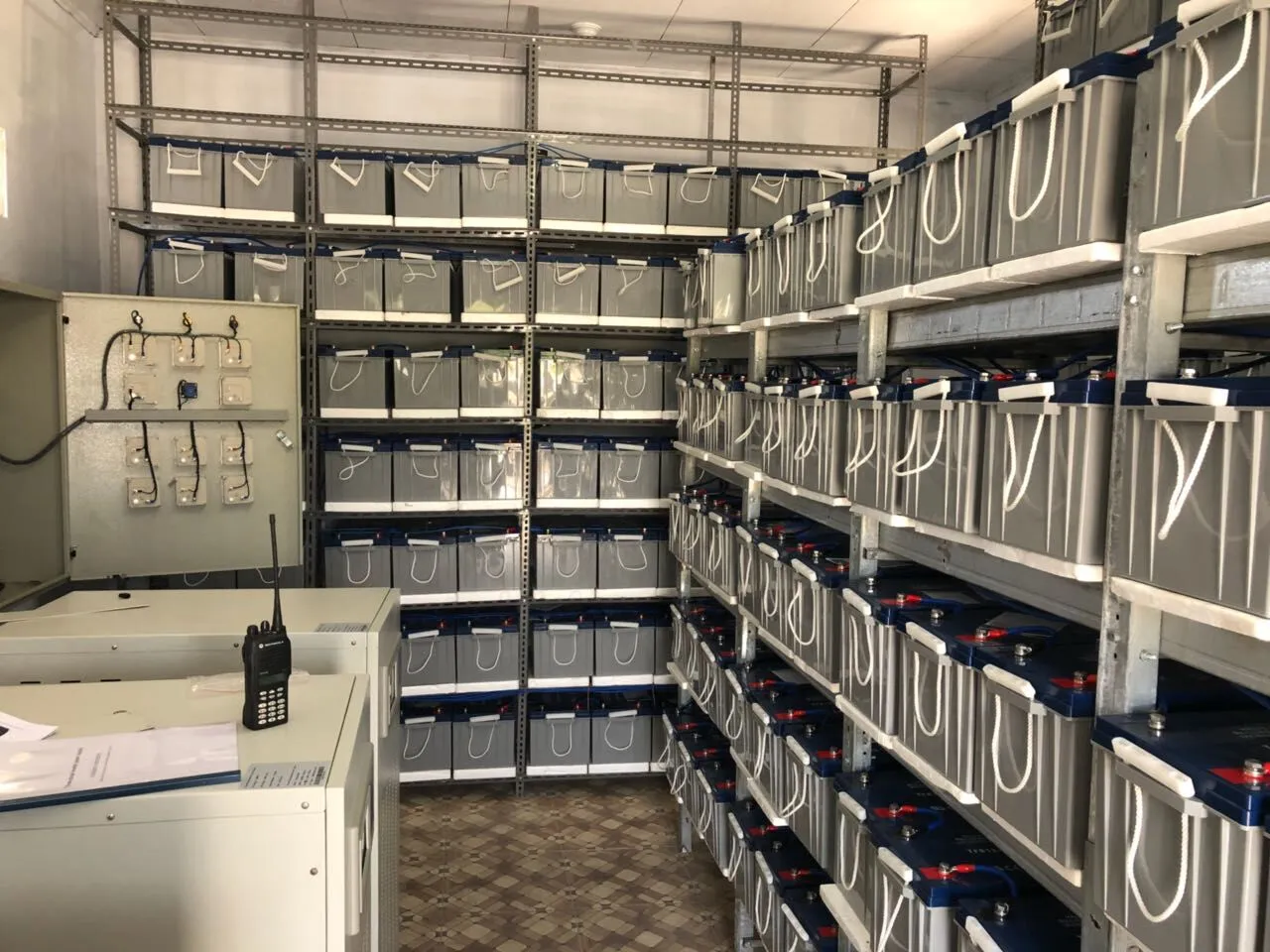
For site managers implementing monitoring:
A Chinese 50MW solar farm demonstrated this framework's effectiveness: Of 47 detected anomalies across 24 branches over 180 days, 41 represented confirmed equipment issues needing intervention, proving most detected issues were real problems needing attention.
Beyond technical benefits, smart monitoring pays:
| Benefit | Impact | Evidence |
|---|---|---|
| Reduced Maintenance | Targeted repairs save 30-40% labor costs | Case study: Dongguan PV farm |
| Energy Recovery | Quick fault resolution recovers 15-25% lost generation | Simulation data: 24-branch system |
| Extended Lifespan | Preventative care adds 3-5 years to equipment | Accelerated aging studies |
For community solar projects using QRRNN-based monitoring, ROI averaged 18 months – primarily from boosted energy production and avoided emergency repairs.
Despite advantages, real-world implementations face challenges:
Promising solutions include compressive sensing techniques for gaps, federated learning models for distributed compute, and Bayesian optimization models to compensate for limited sunny days.
The next monitoring frontier integrates blockchain and AI:
Quantum computing's emergence could revolutionize monitoring by evaluating millions of scenarios instantly. Experimental systems already simulate decade-long degradation patterns in under ten minutes.
Fundamentally, abnormal output detection isn't just about alerts – it's about understanding solar installations as living systems. Regular "health checkups" through sophisticated monitoring let us intervene early, before minor issues become costly disasters.
Monitoring solar panel health has transformed from reactive to proactive science. We've moved beyond simple threshold alarms into intelligent systems distinguishing weather effects from equipment failures. With technologies like QRRNN now achieving 95% accuracy, solar farms can operate closer to peak potential.
The solar monitoring revolution mirrors electric grid evolution – becoming smarter, more responsive, and ultimately more reliable. What seemed sci-fi yesterday – AI predicting panel failures, drones spotting microscopic cracks – becomes tomorrow's maintenance routine. For solar power to fulfill its promise, monitoring must be the backbone enabling every installation to perform at its best.
Recommend Products












