
Think about the last building that really caught your eye. Chances are, its windows played a big part in that first impression—maybe the way the light filters through, the intricate details around the frames, or how they blend seamlessly with the overall design. Windows aren't just holes in walls; they're the soul of a structure, connecting the inside world with the outside and shaping how we experience a space. But here's the thing: no two buildings are the same. A cozy home in a suburban neighborhood has different window needs than a sleek downtown office or a historic landmark. That's where customized window component solution providers step in—not just selling parts, but weaving together design, function, and personality to create windows that feel like they were born for that specific space.
Let's clear this up first. These aren't your average suppliers who hand over boxes of generic hinges and frames. A customized window component solution provider is more like a partner in your building journey. They start by listening—really listening—to what you need. Maybe you're building a beach house and need windows that can handle salty air, or restoring a 1920s mansion that requires period-perfect details. They don't just say, "Here's what we have." Instead, they ask, "What does this building need to feel like?" Then they craft a full package: from the initial design sketches and material selection to manufacturing the components, installing them with precision, and even checking in later to make sure everything's holding up.
It's a holistic approach. Imagine ordering a suit off the rack versus getting one tailored—both cover you, but the tailored one fits your body, your style, and your life. Custom window components work the same way. They fit the building's architecture, the owner's vision, and the practical demands of the environment.
At the heart of any great window component solution is flexibility—starting with materials. These providers don't limit themselves to one type; instead, they mix and match to hit that sweet spot between looks and performance. Let's break down some of the key players here:
Metal Series Solutions : When you need durability with a modern edge, metal components shine. Think aluminum frames that resist rust, stainless steel hardware that can handle heavy use, or sleek brass accents for a touch of luxury. For commercial buildings, metal series solutions often mean slim profiles that maximize glass space (hello, floor-to-ceiling windows!) without sacrificing strength. And the best part? They're customizable—different finishes (matte, polished, powder-coated), thicknesses, and even shapes to match the building's vibe.
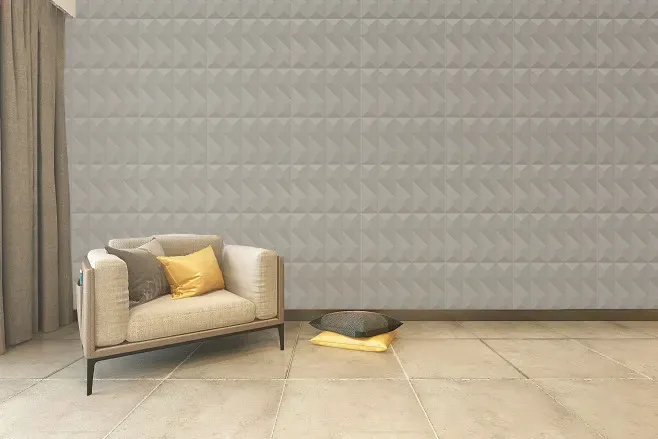
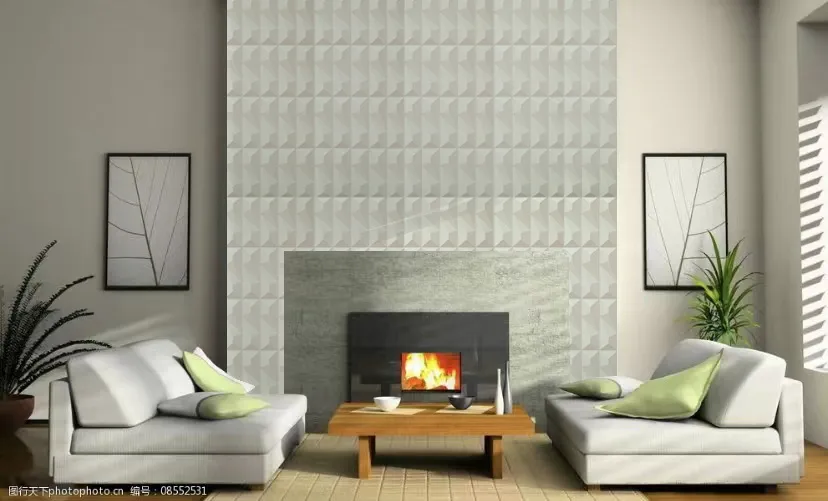
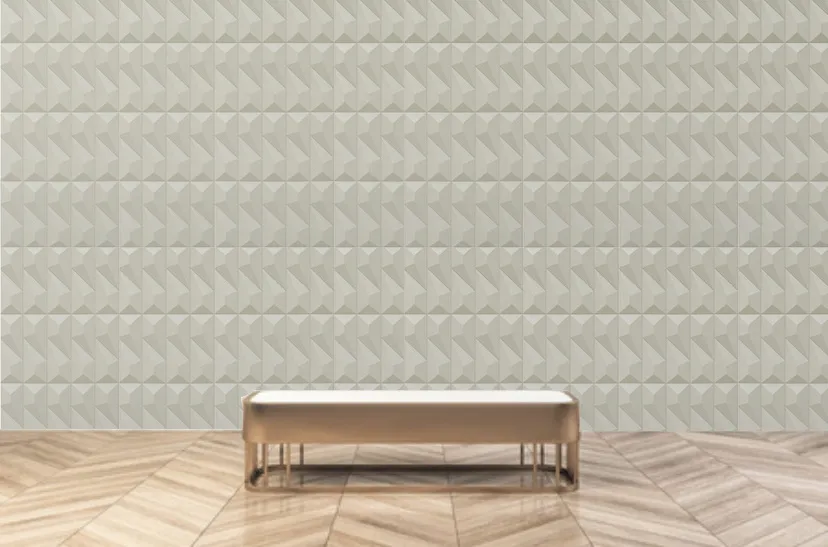
Decorative Profiles Solutions : These are the "jewelry" of window design. Decorative profiles add that extra layer of personality—maybe a scroll pattern on a cottage window, a geometric motif for a contemporary home, or a weathered bronze finish to complement a historic building. They're not just about looks, though; good decorative profiles also protect edges from wear and tear, adding both beauty and longevity.
Wood Accents (Because Warmth Matters) : Sometimes, you want the natural feel of wood—like a cozy cabin's window frames or a traditional home's sash details. Providers often pair wood with other materials (like metal cores) to boost durability, so you get that warm aesthetic without worrying about warping or rot. Customization here could mean reclaimed wood for a rustic look or precision-cut hardwood for a polished finish.
But materials are just the start. Design flexibility is where these solutions really stand out. Let's say you're designing a home with an asymmetrical roofline—standard window sizes won't work. A custom provider can create components that follow those unique angles, ensuring the windows flow with the roof instead of fighting against it. Or maybe you want windows that open in a specific way: tilt-and-turn for easy cleaning in a high-rise, or crank-out casements for a vintage cottage feel. They'll design the hinges, handles, and locking mechanisms to make that happen smoothly.
Custom solutions aren't just for "fancy" projects—they add value across all kinds of buildings. Let's walk through a few scenarios where they truly shine:
Your home is your sanctuary, and your windows should reflect that. Maybe you've fallen in love with mid-century modern design—think thin metal frames and large panes. A custom provider can source or fabricate those metal series components in the exact width and finish you want, even matching the color to your front door. Or if you live in a noisy neighborhood, they might recommend reinforced frames with acoustic gaskets (a type of specialized component) to keep the street sounds out. For older homes, they can recreate discontinued profiles to maintain that historic charm—no more settling for "close enough" modern replacements.
Businesses use architecture to tell their brand story, and windows are a huge part of that. A boutique hotel aiming for luxury might opt for floor-to-ceiling windows with decorative profiles that echo the hotel's logo pattern. A tech startup in a converted warehouse could go for industrial-style metal series components with blackened steel frames to match their edgy vibe. Even something as simple as the color of the window hardware—brushed gold for a high-end spa, matte black for a minimalist café—sends a message to customers. Custom components let businesses align every detail with their brand identity.
Some buildings have unique demands, and standard components just can't keep up. Take hospitals, for example—windows need to be easy to clean, resistant to bacteria, and maybe even have special locking mechanisms for patient safety. A custom provider might suggest metal series components with smooth, seamless surfaces (no crevices for germs to hide) and tamper-proof hardware. Schools, too, benefit from custom solutions—think windows that open just enough for ventilation but not enough for climbing, or shatter-resistant glass held in place by specialized frames. And for historic buildings? It's all about preservation. Providers can create components that match the original designs, using traditional techniques but with modern materials that meet today's safety codes—so the building stays true to its past while being ready for the future.
You might be wondering, "Okay, this sounds great, but how does it all happen?" Let's pull back the curtain on the typical process—no jargon, just real steps:
It starts with a conversation. The provider will visit the site (or review plans if it's new construction) and ask questions: What's the building used for? What's the climate like here? Any specific design styles you love (or hate)? What's non-negotiable—like energy efficiency or noise reduction? They'll take measurements, snap photos, and even note things like which direction the windows face (sunlight matters for material choice!).
Next, they'll draft designs—usually 3D models or detailed sketches—so you can visualize the components. Want to tweak the shape of a decorative profile? Swap out metal finishes? They'll adjust until it feels right. This is where you might see options: "We can do this with aluminum for cost-effectiveness, or stainless steel if you want it to last 50 years." No pressure, just clear choices.
Once the design is locked in, they'll source the materials—whether that's ordering specialized metal alloys, selecting sustainably harvested wood, or partnering with a local foundry for custom decorative profiles. Then, they'll manufacture the components in-house or with trusted partners, using precision tools to ensure every piece fits exactly as planned. Quality checks happen here, too—testing hinges for smooth operation, checking finishes for evenness, and making sure materials meet safety standards.
Installing custom components isn't a "set it and forget it" job. The provider's team (or trusted installers they work with) will bring the components to the site and fit them with care—adjusting for any last-minute surprises, like a wall that's slightly out of plumb. They'll test the windows: Do they open smoothly? Lock securely? Is the seal tight enough to keep out drafts? They'll make tweaks on the spot to get it perfect.
The best providers don't disappear after installation. They'll follow up a few months later to make sure everything's holding up—especially after a harsh season (like a rainy winter or hot summer). If something needs adjusting (a hinge that's squeaking, a finish that's wearing), they'll fix it. It's not just about selling a product; it's about making sure the windows keep working—and looking great—for years.
You might be thinking, "Can't I just buy standard components and make them work?" Sure, you could—but here's why custom is worth it:
Customized window component solution providers aren't just in the business of selling parts—they're in the business of creating connections. Connections between inside and outside, between function and beauty, and between a building and the people who live, work, or visit it. Whether it's a home, an office, or a landmark, the right window components turn a structure into something with soul.
So the next time you're planning a building project, don't overlook the windows. Think about what they could be—not just what they are. And if you want them to fit perfectly, look amazing, and work hard for years to come? A custom solution provider might just be the best partner you never knew you needed.
Recommend Products












