

Walk into any modern home or commercial space, and the walls often tell the first story. They set the mood, reflect the design intent, and even influence how we experience a room. For architects, interior designers, and project managers, selecting the right wall materials isn't just about aesthetics—it's about balancing functionality, durability, and sustainability. In recent years, one material has risen to the top of this list: Wood-Plastic Composite (WPC) wall panels. As a leading wpc wall panel supplier , we've seen firsthand how custom wpc wall panel solutions are transforming both residential and commercial building materials landscapes, offering a versatile alternative to traditional options like solid wood, PVC, or drywall. Let's dive into why WPC panels are becoming the go-to choice for tailored projects, and how they're redefining what's possible in interior and exterior design.
At their core, WPC wall panels are a blend of wood fibers (or bamboo fibers) and recycled plastic, mixed with additives like UV stabilizers, colorants, and flame retardants. This unique composition marries the best of both worlds: the natural look and feel of wood, with the durability and low-maintenance benefits of plastic. Unlike pure wood, WPC panels resist warping, rotting, and insect damage. Unlike PVC, they offer a warmer, more organic texture that doesn't feel synthetic. For interior decoration materials specifically, this balance is game-changing.
But what truly sets WPC apart is its adaptability. Unlike off-the-shelf wall materials that come in limited sizes, colors, or textures, custom WPC solutions are designed to fit the unique needs of a project. Whether you're working on a boutique hotel that needs branded accent walls, a family home requiring moisture-resistant bathroom panels, or a retail store aiming for a specific aesthetic, WPC can be tailored to match. As a wpc wall panel supplier , our job isn't just to deliver panels—it's to collaborate with clients to turn their vision into a tangible, functional reality.
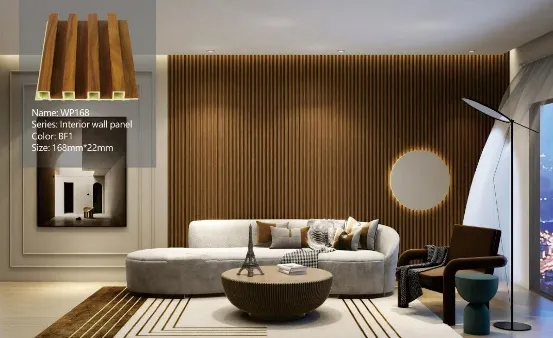
To understand why WPC panels are overtaking traditional materials, let's break down their key advantages—advantages that become even more powerful when customized:
In high-traffic areas like commercial lobbies or residential hallways, walls take a beating. Scratches, dents, and moisture damage are common headaches. WPC panels, however, are built to last. The plastic component makes them resistant to water (a must for bathrooms, kitchens, or basements), while the wood fibers add structural strength. For example, in a beachfront villa project we worked on last year, the client needed wall panels that could withstand saltwater air and humidity. We customized WPC panels with enhanced UV stabilizers and a moisture-resistant core, ensuring they'd look new for decades—no peeling, warping, or discoloration.
Let's be honest: no one wants to spend weekends repainting walls or treating wood for mold. WPC panels eliminate that hassle. They're easy to clean with a damp cloth, don't require sealing or painting, and won't fade in sunlight. A restaurant client once told us they switched to WPC after years of repainting their dining room walls every six months. Now, their custom wood-grain WPC panels still look fresh after three years of daily use—saving them time, money, and the disruption of frequent renovations.
Sustainability isn't just a trend; it's a responsibility. WPC panels are inherently eco-friendly because they use recycled plastic and wood waste, reducing reliance on virgin materials and cutting down on deforestation. For clients prioritizing green building practices, custom WPC solutions can include recycled content percentages, low-VOC adhesives, and even certifications like FSC (Forest Stewardship Council) for wood fibers. One school project we supplied required panels with Class A fire resistance and low formaldehyde emissions—we delivered WPC panels that met both criteria, aligning with the school's commitment to student safety and environmental responsibility.
Perhaps the biggest advantage of custom WPC wall panels is the design flexibility. Want a panel that mimics the look of reclaimed barn wood for a rustic café? We can do that. Need sleek, matte black panels for a minimalist office lobby? No problem. How about curved panels for a circular waiting room? With advanced manufacturing techniques, we can mold WPC into virtually any shape, size, or texture. Colors are also fully customizable—from bold hues that match brand palettes to subtle tones that blend with natural light. In one recent project, a luxury hotel requested panels that replicated the texture of local stone but with the lightweight benefits of WPC. We created a custom mold to capture the stone's unique grain, then finished the panels in earthy tones, resulting in walls that felt authentically local without the weight or cost of real stone.
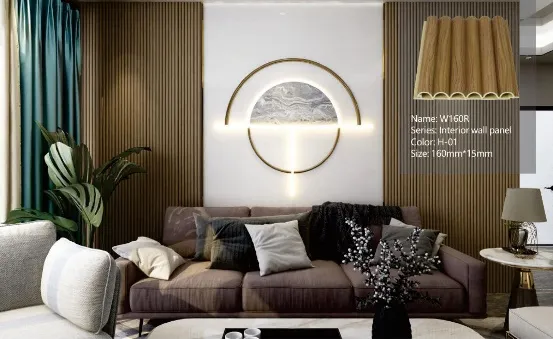
WPC's versatility shines in both residential and commercial settings. Let's explore how custom solutions adapt to each:
In homes, walls are personal. They reflect the homeowner's taste and need to feel inviting. Custom WPC panels excel here. For example:
In commercial spaces, walls need to be tough enough for heavy foot traffic while aligning with the brand's image. Custom WPC solutions deliver on both:
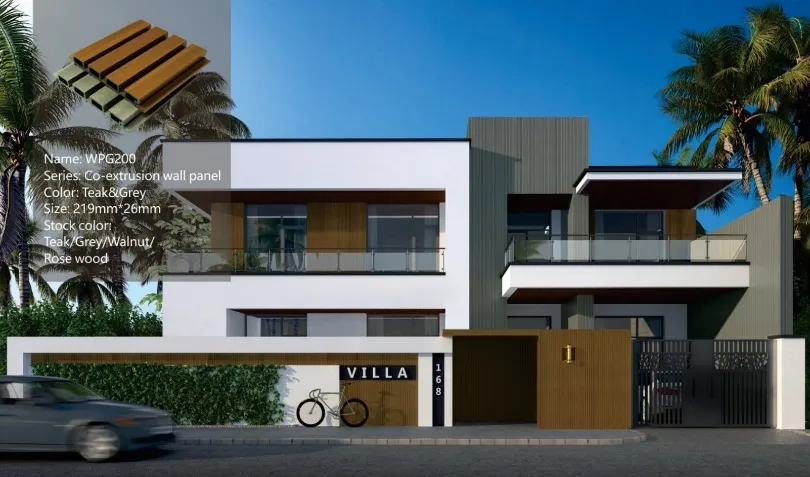
At our core as a wpc wall panel supplier , we believe customization should be collaborative, not complicated. Here's how we turn a client's vision into reality:
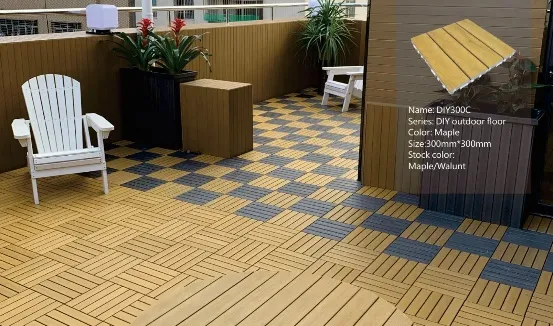
Not all WPC suppliers are created equal. When it comes to custom solutions, experience and expertise matter. Here's what sets a reliable wpc wall panel supplier apart:
| Feature | Custom WPC Wall Panels | Solid Wood | PVC Panels | Drywall |
|---|---|---|---|---|
| Moisture Resistance | Excellent (resists rot and mold) | Poor (requires sealing; prone to warping) | Good (but can feel plastic-like) | Poor (easily damaged by water) |
| Durability | High (resists scratches, dents, and insects) | Medium (prone to scratches and rot) | Medium (can crack under impact) | Low (easily damaged; requires regular repair) |
| Maintenance | Low (wipe clean; no painting/sealing) | High (needs sanding, painting, and sealing) | Low (wipe clean) | High (needs patching, painting, and texturing) |
| Customization | High (sizes, colors, textures, shapes) | Medium (limited by natural wood grain/size) | Medium (colors limited; textures often synthetic) | Low (requires additional finishes for texture) |
| Eco-Friendliness | High (uses recycled materials; no deforestation) | Medium (depends on sourcing; can be sustainable) | Low (made from non-renewable plastic) | Medium (gypsum is abundant, but paper backing may contain chemicals) |
In a world where every project has unique needs, generic wall materials simply don't cut it. Custom WPC wall panels bridge the gap between form and function, offering the beauty of natural materials with the durability of modern composites. As a wpc wall panel supplier , we're proud to partner with architects, designers, and homeowners to create spaces that are not just built—they're crafted. Whether you're working on a residential villa, a commercial office, or a hospitality project, WPC panels can be tailored to fit your vision, budget, and timeline.
So, the next time you're planning a project, ask yourself: Why settle for off-the-shelf when you can have walls that are as unique as your design? With custom wpc wall panel solutions , the answer is clear: because great design deserves materials that are built to match.
Recommend Products











