


Creating a closet isn't just about storage – it's about crafting a personal sanctuary where functionality meets personality. We'll explore how lighting, mirrors and islands transform ordinary spaces into extraordinary dressing experiences that reflect your unique rhythm of life.
The Soul of Custom Closets
When we talk about 'custom', we're talking about more than measurements – it's the art of translating personal habits into physical space. Like that favorite pair of broken-in jeans that fits just right, a custom closet understands how you live. It anticipates where you'll drape half-worn sweaters, remembers how high you reach for scarves, and knows precisely where your evening gowns need breathing room.
This personalization manifests practically too. Consider lighting that adjusts to morning rush hours and evening dress-up rituals. Or mirrors positioned not just to check hemlines but to capture that boost of confidence when you need it most. Islands become command centers rather than mere surfaces – where jewelry gets paired with outfits and accessories await their moment.
Space Psychology Tip: Your closet should mirror the rhythm of your life. Night owls benefit from warm ambient lighting for late-night packing. Early risers need crisp task lighting. The true luxury isn't marble counters – it's designing around your circadian rhythms.
The Grammar of Layout
Like structuring a beautiful sentence, closet layouts need proper punctuation. Zones act as commas (pause points) between categories:
- Hanging zones: Where long sentences of dresses flow
- Shoe displays: Exclamation points of personality!
- Island countertops: The periods completing each outfit
Material Conversations
Materials whisper stories. Matte finishes absorb light for intimate moods. Glass shelving makes accessories float like poetry. Brass hardware? That's the confident voice making bold statements. Consider speaking with a building material supplier who specializes in nuanced finishes to translate your personality into materials.
Lighting: The Mood Architect
Layered Lighting Frameworks
Lighting in a closet functions like a three-act play:
Act I: Ambient
Your background illumination sets the scene. Cove lighting washes walls with soft, shadow-minimizing glows – particularly helpful during those morning scrambles when coffee hasn't kicked in. Try dimmable LED strips tucked under shelves to create floating effects.
Act II: Task
The spotlight moments where function shines. Install adjustable track lighting 18" from clothing rods to prevent glare on silks. For jewelry stations, use 90+ CRI (Color Rendering Index) bulbs revealing true gem tones.
Act III: Accent
Drama lighting. Back-lit shoe shelves become runway displays. Picture-lit accessory drawers transform opening a drawer into a jewelry boutique experience. Use warm tones (2700-3000K) for that golden-hour glow.
Color Truth Bomb: What you see isn't what you get! Clothing changes colors under store lighting, home lighting, then daylight. Dedicate one mirror with 5000K daylight-balanced bulbs for 'reality checks' before stepping out.
Mirrors: More Than Reflections
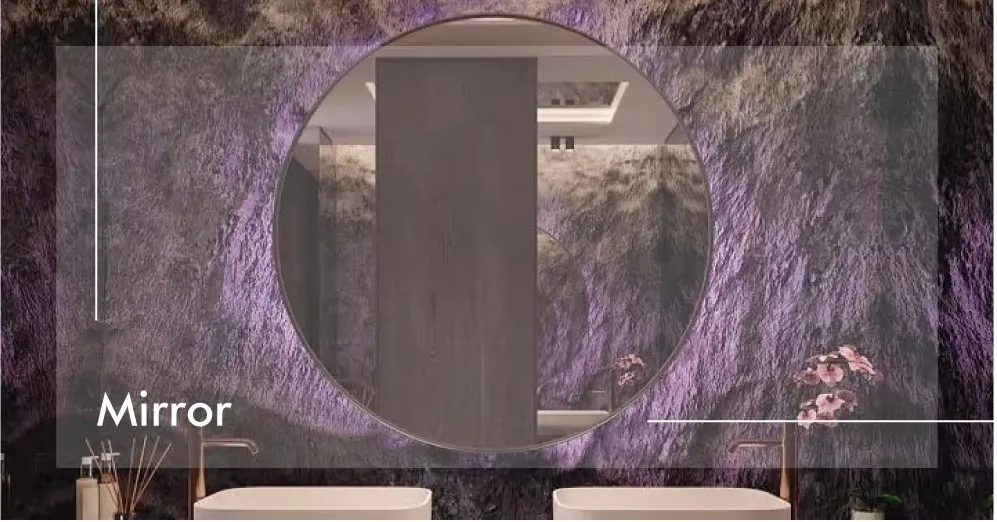
Mirrors serve three roles: functional tool, space enhancer, and confidence builder. Their placement fundamentally changes how we interact with our closet. A single full-length mirror often gets relegated to the corner, but what if you could create a mirror gallery? Floor-to-ceiling panels placed strategically create infinite reflections that make modest spaces feel like couture ateliers.
The Fitting Room Effect
Install angled mirrors (like boutique fitting rooms) that capture three-quarter views. Place a sturdy ottoman between mirror panels to sit while evaluating footwear choices with outfits.
Mirrors as Space Whisperers
Position mirrors perpendicular to windows to capture and bounce natural light deep into the closet. For narrow spaces, hang a series of leaning mirrors to create movement and architectural interest.
Islands: The Command Centers
Forget mere countertops – islands serve operational roles: packing hubs, jewelry stations, handbag display galleries, and folding platforms. When custom designing yours, consider these functional roles:
The Mechanics of Flow
Island height follows body mechanics: 42" for folding tasks (protects your back), but lower 36" sections for seated jewelry pairing. Depth should never exceed 24" - any deeper and you'll need circus-level reaching skills.
Storage Intelligence
Hidden storage must serve specific purposes:
- Soft-close accessory drawers with velvet-lined compartments
- Pull-out charging stations built into the counter overhang
- Integrated valet rods that slide out for outfit assembling
- Climate-controlled compartments for leather goods
True Story: Sarah redesigned her island to include a hidden pet bed underneath. Her cat now 'supervises' closet sessions. Custom means designing for all household members!
The Orchestration of Elements
The magic unfolds when lighting, mirrors, and islands work together. Picture this scenario: You wake before dawn. Motion-activated pathway lighting guides you to your island where countertop LEDs illuminate your pre-selected outfit. As you dress, three-way mirrors capture every angle under perfect illumination. No fumbling, no frustration – just elegant function.
But beyond function lies emotional resonance. Your closet should spark joy. It should be the place where you rediscover forgotten treasures and feel excited about expressing yourself. Thoughtful lighting makes fabrics glow. Clever mirror placement makes spaces sing. Islands become memory altars holding your most meaningful pieces.
Future-Proofing Strategies
Install extra power conduits for future tech. Allow clearance space for mobility aids. Design flexible systems adapting to life changes – new hobbies (added hat storage), career shifts (more suits), or family additions.
Sensory Harmony
Layer textures: Warm woods, cool marbles, plush rugs. Add olfactory elements like cedar back panels and drawer sachets. Consider sound-dampening for loud hangers – every sensory detail contributes to the experience.
From Blueprint to Bliss
Begin your closet transformation with a week of self-observation:
- Track your daily routines – when you dress, how long you take
- Photograph outfit combinations you frequently wear
- Note frustrations – reaching difficulties, lighting annoyances
- Identify cherished items needing special display
Compile these into a brief for your designer. The most successful projects merge professional expertise with personal insight. And remember – perfection isn't the goal. Evolution is. Your closet should grow with you, changing as your life unfolds. This isn't designing storage; it's designing a happier morning routine.
Final Thought: Your ideal closet doesn't appear in magazines. It appears in the calm confidence you feel when opening its doors. When lighting flatters you, mirrors reassure you, and islands simplify your day – that's true luxury defined personally.










