
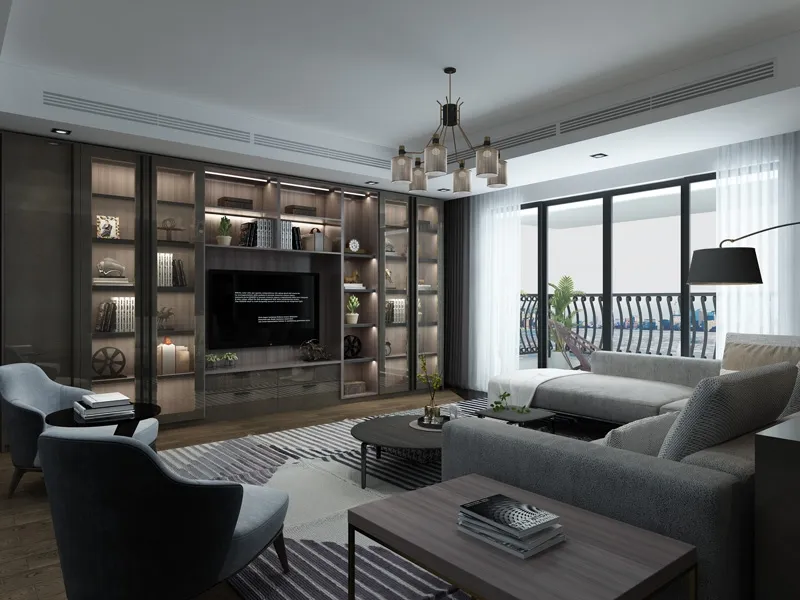
Let's start by understanding what we're really talking about when we say "custom." Unlike that standard cabinet you pick up from a big-box store, custom furniture means something crafted specifically for you. Think of it like ordering a bespoke suit versus buying something off the rack. The custom furniture approach considers your unique space, taste, and requirements. When Merriam-Webster defines custom as "made or performed according to personal order," that's exactly what we're dealing with here. It's about personalization at its core.
Ever walked into someone's living room and felt their TV cabinet just... belonged there? That didn't happen by accident. Custom pieces create harmony between your decor and personality. Cambridge Dictionary nails it when explaining custom as "a way of behaving established for a long time." Your personal habits, like your gaming console collection or vinyl records, are factored into the design. This is how furniture stops being just functional and starts feeling like home.
Custom cabinets don't just fit your TV—they're designed around your entire lifestyle. Have an awkward alcove? A slanted ceiling? That air purifier no standard cabinet accommodates? Custom makers turn these headaches into features. Unlike modular units with fixed dimensions, your bespoke piece integrates flawlessly with architectural quirks.
Perfect dimension matching for tricky spaces
Requires precise measurements upfront
Big-box cabinets win on instant gratification. See it, buy it, assemble it tonight. But let's be honest—we've all wrestled with "some assembly required" projects! Custom pieces flip this script. You'll wait weeks for creation, but skip the frustration of deciphering vague instructions at midnight. The timeline difference is like comparing a slow-cooked meal to fast food.
Zero DIY assembly stress
4-12 week typical production time
Yes, you'll pay more upfront for bespoke. But let's talk long-term economics. Cheap particle-board units often sag or peel after 2-3 years. Custom builds using solid wood or quality composites become family heirlooms. I've seen 30-year-old custom cabinets still looking sharp, while their off-the-shelf cousins ended up in landfills. Calculate the cost per year, not just the sticker price.
Higher lifespan offsets initial cost
2-5x higher upfront investment
Maria thought her dream apartment's floor-to-ceiling windows came with a tradeoff—no proper TV wall. Standard cabinets blocked light or views. Her custom solution? A walnut console anchored safely to the side wall with a swivel mount. The low-profile cabinet hides components without competing with views. Off-the-shelf would've meant constant compromise.
Kevin needed ventilation, cable management, and controller storage no retail unit offered. His custom cabinet features a perforated steel back panel, integrated cooling fans, and specialized compartments protecting his gear. Like Cambridge notes about customs evolving, this design grew alongside his setup's evolution.
Think beyond aesthetics. That "walnut finish" on a mass-market piece? Usually a thin veneer over particleboard. Real custom craftsmanship honors materials. Maple isn't just stained—its grain patterns determine joinery placement. Like Merriam-Webster's description of custom as "specializing in custom work," true artisans match material properties to functional needs:
Your choice isn't really about cabinets—it's about how you live. For temporary spaces or strict budgets, off-the-shelf makes sense. But when you're creating a home that truly reflects you? That's where custom shines. Like timeless traditions Merriam-Webster references, bespoke pieces become part of your family story. They adapt to life's changes—marriages, kids, new hobbies.
Consider where your TV cabinet falls in your life journey. Sometimes saving money makes sense. Other times, investing in the most-used piece in your living room pays emotional and practical dividends for decades. Your space, your rules, your story.
Recommend Products












