
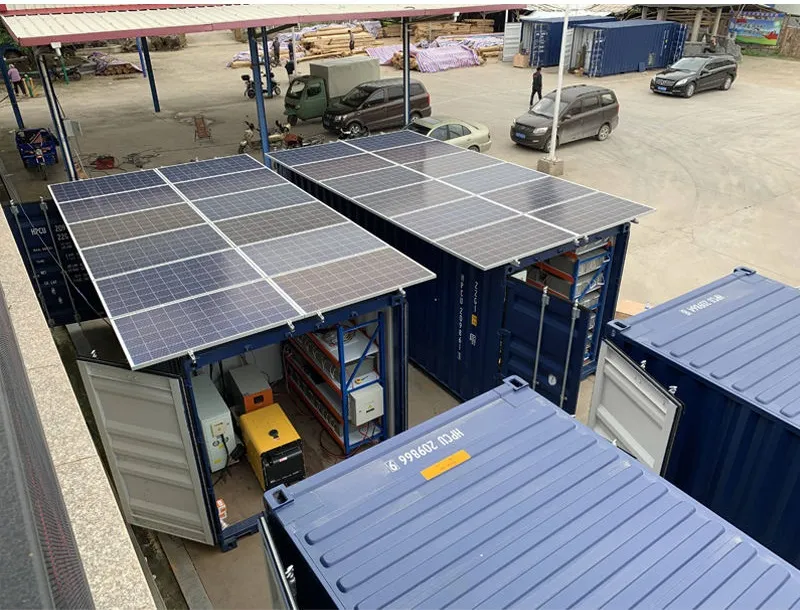
Walking through the buzzing assembly lines of China's solar manufacturing hubs, you can almost feel the energy in the air. Literally. Rows upon rows of photovoltaic cells come to life under precision robotics, while engineers tweak designs for customers from Berlin to Buenos Aires. This isn't mass production – it's customization at industrial scale. For anyone serious about solar solutions, Chinese factories have become the go-to partners, blending cutting-edge tech with surprisingly personal service.
What really sets these manufacturers apart? It's their knack for balancing high-volume capabilities with tailor-made solutions. Whether you're decking out a suburban home or powering an entire factory, they've mastered the art of adapting to unique needs. Let's peel back the layers of this fascinating ecosystem.
"Solar used to be one-size-fits-all. Today, customization is king. When Chinese factories started offering tailored solutions around 2018, installations jumped by 37% globally within two years. Why? Because solar isn't just a product – it's a relationship between sun, structure, and user."
Imagine trying to fit standard panels on historic buildings with irregular rooftops. Or squeezing maximum wattage into tiny urban balconies. That's where customization shines. Manufacturers now offer:
A tour through Shenzhen's Sunpal facility shows how far we've come. Their flexible ETFE panels literally roll off production lines like yoga mats. "Customers kept asking for panels that could bend around RVs or boats," explains engineer Li Wei. "We developed these by laminating cells between plastic films. Now they output 200W per square meter while bending up to 30 degrees."
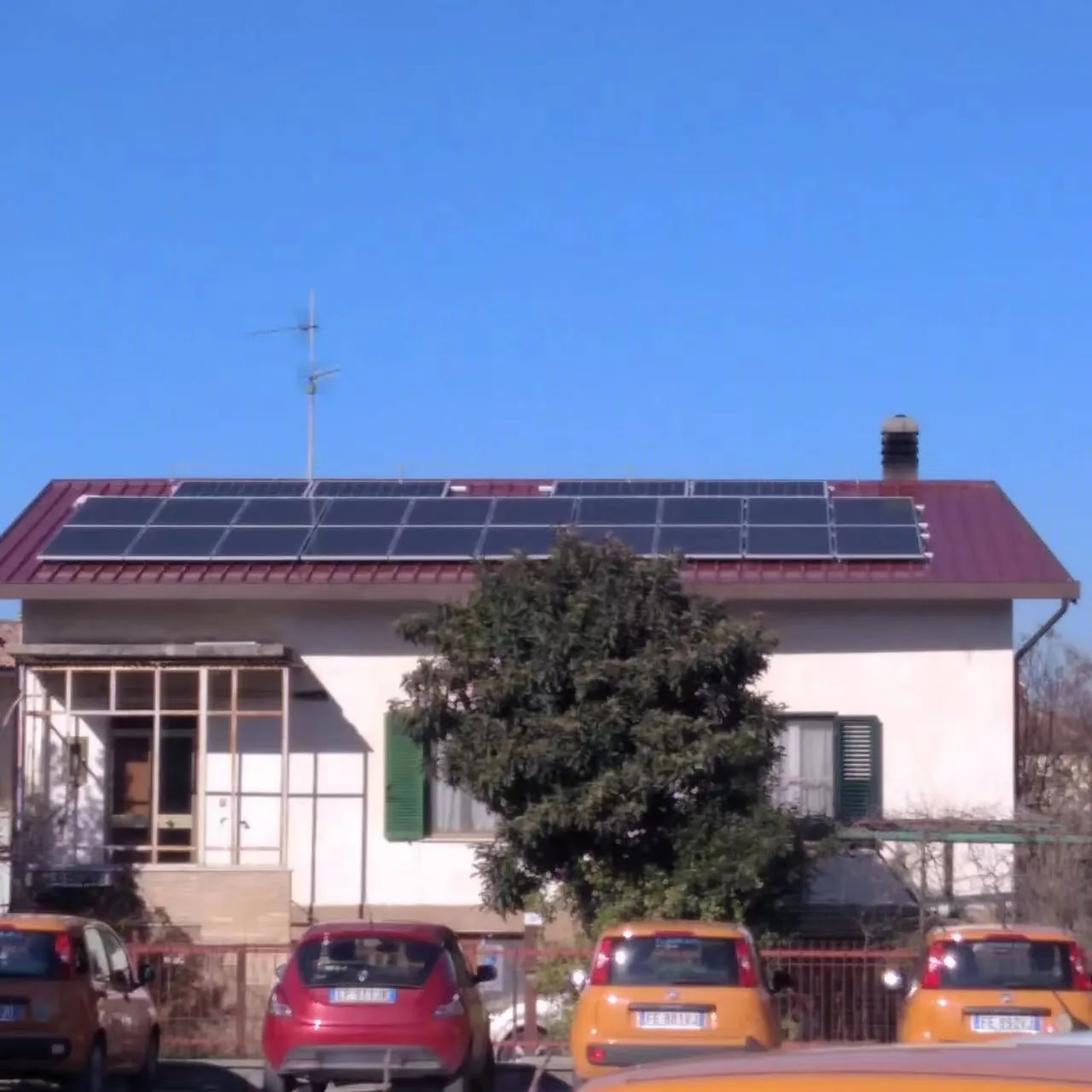
Tucked away in Jiangsu province, Sunrover specializes in pushing wattage boundaries. Their Tiger Pro N-Type panels achieve 22.8% efficiency – a hair's breadth below theoretical limits. How? Through mono PERC cells with gallium doping that reduces light-induced degradation.
Their R&D chief Zhang Lin laughs when asked about minimum orders: "People assume Chinese factories only do massive shipments. But we regularly fulfill 500W test orders for architects prototyping solar-integrated buildings."
Key differentiators:
Schutten made waves with their "solar skylights" – panels so aesthetically pleasing they've appeared in Milan design exhibitions. Using colored backsheets and patterned cells, they turn solar arrays into architectural statements.
"Solar shouldn't look industrial," insists CEO Wang Jing. "Our Emerald series hides cells behind forest-green glass. They only produce 170W/m² but homeowners love them because they disappear against foliage."
Production highlights:
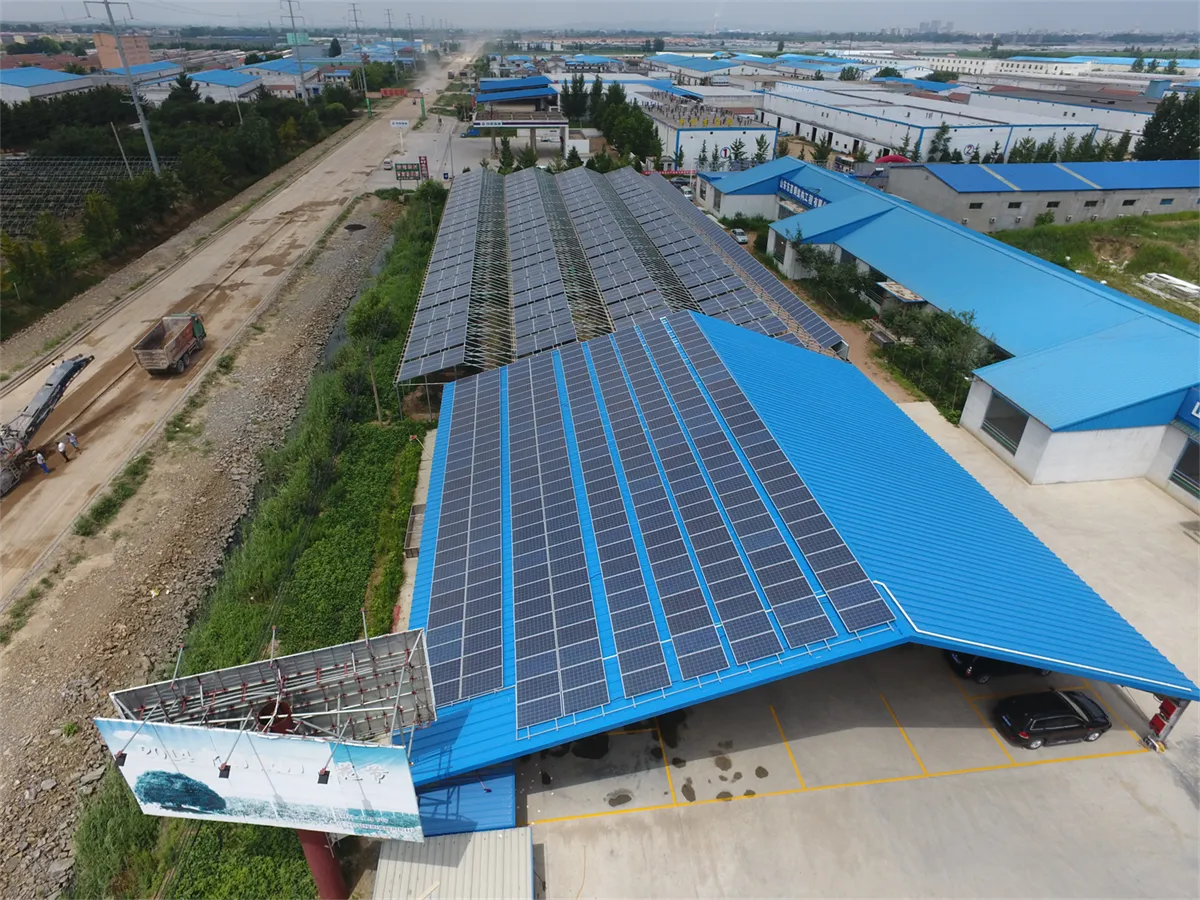
This latest innovation boosts performance in real-world conditions. TOPCon's secret lies in tunneling oxide layers that:
Manufacturers like Anhui Kimi now achieve 22.7% module efficiency – almost doubling 2010's capabilities.
Slicing cells in half isn't just cosmetic. The thermal advantages are game-changing:
During field tests in Dubai, half-cell installations outperformed full-cell equivalents by 17% during summer peak hours.
Perovskite-tandem cells are quietly emerging from Shenzhen labs. These layer silicon with mineral crystal films capturing different light spectrums. Sunpro's experimental cells already hit 29.8% efficiency in controlled conditions – though durability remains challenging.
"Think of it like sunscreen," researcher Wu Xian explains. "We're adding UV-absorbing perovskite layers above conventional cells. They actually protect silicon while boosting output." Mass production remains 3-5 years away but could revolutionize rooftop solar.
Customization doesn't mean quality compromises. Top factories implement:
At Jiangsu VDS, automated optical inspection scans each panel at 12 megapixels resolution. "We find defects smaller than a human hair," quality head Chen Li boasts. "Last quarter, we rejected 0.7% of custom orders for aesthetic imperfections alone."
Yangtze Solar created semi-transparent panels for Shandong vineyard owners needing both power and dappled sunlight. The bifacial modules:
Meanwhile, Hitek Energy developed waterproof vertical panels for Singaporean hydroponic farms. Their specialized drainage channels:
China's solar revolution comes with green credentials. Leading factories now:
Rosen Solar's carbon audit revealed something surprising: Their panels generate 17x more clean energy than embodied emissions within 18 months. That's quicker than your morning espresso cycle!
Ordering bespoke panels isn't like buying commodity products. Savvy customers should:
Do:
Provide exact mounting environment details (right down to historical weather data)
Don't:
Assume faster delivery than standard products (customizations add 3-5 weeks)
Secret tip:
Request "design freeze" documentation ensuring no component substitutions
Negotiating terms? Yangtze's sales manager Lu Feng offers advice: "Bulk orders get price breaks, but clever customers bundle customization development costs across multiple projects."
By 2027, expect to see:
Sunfars Solar's experimental color-tuning panels already adjust transparency based on the sun angle. "Think smart windows meeting solar farms," grins engineer Zhang Wei. "We're eliminating the trade-off between views and power generation."
Ultimately, Chinese solar factories aren't just suppliers – they're innovation partners. Their custom solutions reflect solar's journey from standardized hardware to deeply personalized energy experiences. As power needs evolve, their flexibility ensures solar remains humanity's most adaptable energy partner.
Recommend Products












