
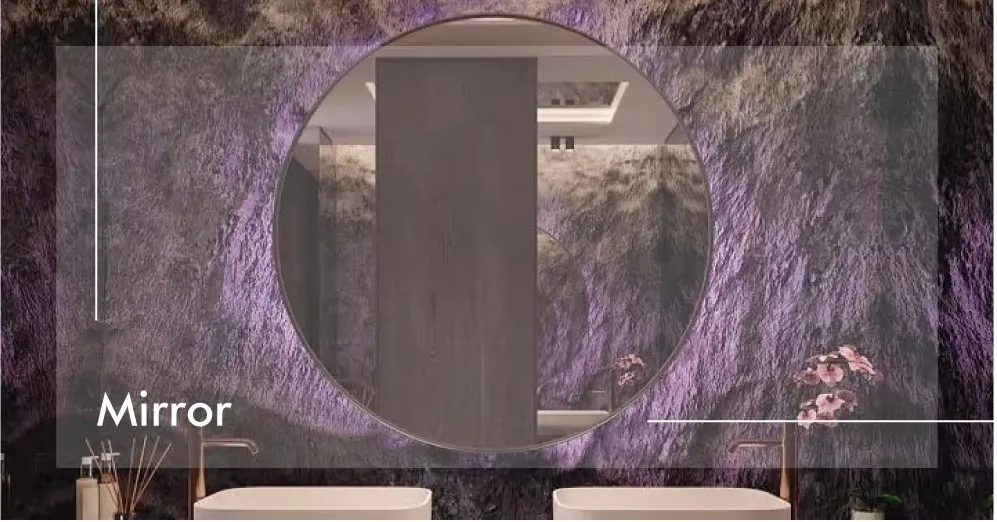
Imagine walking into a room where light dances across surfaces, making the space feel instantly larger and more inviting. That's the magic of well-placed mirrors. Custom-size mirrors aren't just decorative elements – they're functional design solutions that can redefine how we experience our homes and commercial spaces. Unlike mass-produced options, custom mirrors fit perfectly into unique architectural niches, complement specific design aesthetics, and solve spatial challenges that off-the-shelf products can't address.
Working with a professional mirror manufacturer ensures you're not compromising on quality. The difference? You avoid those frustrating gaps when trying to fit standard sizes into non-standard spaces. You get precisely the thickness, shape, and edge finish that complements your vision. Whether it's a dramatic floor-to-ceiling installation in a luxury hotel lobby or a uniquely curved piece for an art deco bathroom, custom mirrors elevate spaces from ordinary to extraordinary.
Pro Tip: Consider mirrored ceiling panels to create stunning illusions of height in rooms with low ceilings. This technique adds architectural interest while making compact spaces appear dramatically larger.
Getting measurements right is everything – there's zero room for "close enough." Start by clearing the installation area completely. Remove existing fixtures, decor, or obstructions that could skew measurements. Always use laser measuring tools over tape measures when possible; their pinpoint accuracy prevents costly manufacturing errors.
Don't forget the human element: Account for visual perspective by taping mock-up dimensions on walls. View them from different angles and heights to confirm proportions feel balanced in the actual space.
Mirror design goes far beyond simple shape choices. Glass thickness dramatically impacts both aesthetics and safety. Standard 1/4" glass works for small decorative pieces, but large installations need 3/8" to 1/2" thick glass to prevent undulation and vibration. For high-traffic commercial spaces or earthquake-prone zones, laminated mirrors provide crucial shatter-resistance.
Edge treatments tell a design story. Polished edges create seamless contemporary looks when paired with minimal frames. Beveled edges scatter light beautifully in traditional settings but require careful measurement to maintain patterns. Consider decorative wall panels with integrated mirror insets when seeking artistic textural contrasts.
The true mark of mirror quality lies beneath the surface. Silver remains the premium reflective coating, offering unparalleled clarity compared to aluminum coatings. However, "mirror gold" coatings have emerged for warm-toned reflections in luxury spas and boutiques.
Advanced glass types offer specialized solutions:
Insist on seeing glass certification labels that confirm compliance with ANSI Z97.1 safety standards. This protects both the installer and end users from liability concerns.
Manufacturing Tip: Always request samples showing edge work and coating clarity before approving full production. Reputable factories will readily provide these.
Packaging makes or break delivery success. Custom foam cradles should contour the exact shape with double-wall corrugated cushioning. Corners require rigid cardboard shields reinforced with polymer edge protectors. For valuable art pieces, rigid crates with vibration-dampening mounts prevent micro-abrasions during shipping.
Climate control matters: Moisture-resistant barrier bags prevent edge corrosion during marine transport. Silica gel desiccant packets fight humidity damage. Transcontinental shipments require vapor barriers.
Even exquisite mirrors become liabilities with poor installation. For large-scale installations, structural engineers should assess load distribution and recommend appropriate anchors. Key considerations:
Always install in 65-75°F environments with controlled humidity levels to prevent premature bonding failure.
Maintain brilliance with proper care techniques:
Professional Insight: Reapply anti-fog treatments annually in commercial settings where steam constantly degrades coatings.
Art Hotel Installation: Curved back-painted mirrors spanning three stories required customized assembly with specialized concealed bracket systems. Collaborative engineering with architects ensured perfect integration.
Historic Home Restoration: Reproduction of 19th century mercury-mirror appearance using modern safety-compliant techniques allowed architectural preservation without safety compromises.
Medical Facility Solution: Antimicrobial mirror surfaces with seamless silicone edge sealing created hygienic environments resistant to pathogens and chemical disinfectants.
The journey from measurement to installation involves dozens of critical decisions requiring specialized expertise. Partnering with established manufacturers provides:
This level of partnership ensures your vision becomes reality without frustrating compromises, unexpected costs, or safety risks that DIY approaches create. For architects creating remarkable projects, this precision approach transforms functional elements into transformative design statements.
Recommend Products












