
Why manufacturers are flocking to cut out middlemen
Ever walked into a boutique and thought, "Wow, these lights make everything pop?" That magic often starts in industrial zones halfway across the world. I'm talking about the quiet revolution where store owners skip distributors and buy commercial lighting straight from the source: Chinese factories.
Last month, I met Sarah – she runs a coffee chain in Chicago. She used to pay $120 per industrial pendant light through U.S. wholesalers. Now? She wires $42 directly to a factory in Zhongshan. "The math was undeniable," she shrugged. "Same specs, faster shipping, and I redesign seasonal displays quarterly without bankrupting myself."
| Procurement Model | Price Premium | Lead Time | Customization Flexibility |
|---|---|---|---|
| Traditional Distributors | 140-180% | 8-12 weeks | Limited |
| Factory Direct | 0% markup | 3-5 weeks | Unrestricted |
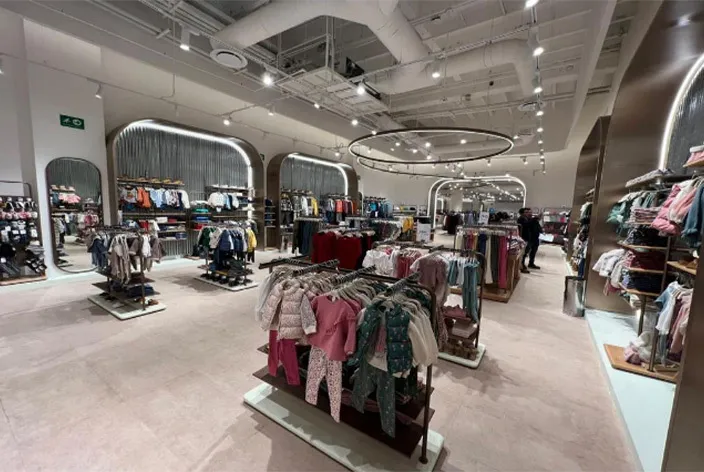
Walk through any modern mall, and you'll notice something: harsh fluorescents are history. LED lights dominate because they solve three headaches:
The game-changer? Chinese factories now handle full optical customization. A bakery in Milan ships them croissant sketches, and gets LED strips replicating pastry warmth. An art gallery in Tokyo ordered magnetic track lights with 97 CRI ratings to make brushstrokes vibrate.
Here’s what surprised me: sustainability became a stealth cost-cutter. Forward-thinking suppliers now integrate solar panels into lighting systems. One Guangzhou factory even tweaked their warehouse design philosophy:
"We realized clients wanted energy solutions, not just fixtures. So we started packaging solar-ready drivers in pendant lights. Roof-top solar powers daytime operations – stores cut grid dependence by 40%."
Consider warehouse chains: they're adopting hybrid systems where solar charges batteries during operational hours, while motion-activated LEDs slash overnight energy waste. The payback period? Under 2 years.
High glare
Limited lifespan
0% ambiance control
Energy saving
Directional light
Fixed color temperature
App-controlled tones
Solar integration
Self-diagnostic systems
I toured six factories last quarter. The magic happens in "sample rooms" where designers tweak everything:
One Shenzhen supplier showed me their "light recipe" software – enter dimensions and material finishes, get 3D lighting simulations. No more shipping $5,000 samples globally. They've become custom furniture solutions partners but for illumination systems.
"But aren’t Chinese factories risky?" asked a retailer from Seattle. Valid concern. After inspecting quality control rooms, I learned top manufacturers enforce:
The real differentiator? Tier-one suppliers like those in Foshan now assign single-point contacts speaking industry jargon fluently. You discuss lumen density and flicker percentages without translation hiccups.
This direct-buy shift isn't about cheapness – it's evolution. Stores now refresh layouts seasonally without budget panic. Pop-up shops commission themed installations in 10 days. Independent boutiques compete with chains through signature lighting.
As I left a Guangdong factory, the manager smiled: "Five years ago, clients asked 'Can you make this?' Now they say 'Help me reinvent my space.' That’s why we keep hiring optical engineers." Behind him, robotic arms assembled commercial lighting destined for a bookstore in Paris where each shelf will glow like a literary stage.
Recommend Products












