

Walk into any thoughtfully designed space—a cozy café with exposed brick walls, a modern home with a statement fireplace, or a boutique hotel lobby that feels both grand and intimate—and you'll notice something: the walls aren't just there to divide rooms. They tell a story. They set the mood. They turn a "house" into a "home" or a "building" into a "destination." But here's the catch: generic wall panels rarely do that. When designers, homeowners, and contractors set out to create something truly unique, they need solutions that bend to their vision, not the other way around. That's where custom PU stone wall panel designs come in—and why they're quickly becoming the go-to choice for anyone who refuses to settle for "good enough."
In a world flooded with mass-produced interior and exterior decoration materials, the demand for tailored solutions has never been higher. Whether you're designing a residential space that reflects a family's personality or a commercial project that needs to stand out in a crowded market, the right wall panels can make all the difference. And when it comes to balancing aesthetics, functionality, and flexibility, few materials compare to polyurethane (PU) stone wall panels. But what exactly makes them so special? And how do you go from a vague idea—"I want something that looks like natural stone but fits this curved wall"—to a finished product that exceeds expectations? Let's dive in.
First things first: let's demystify the material. PU stone wall panels are crafted from polyurethane, a versatile synthetic material known for its durability, lightweight nature, and remarkable ability to mimic natural textures—like stone, brick, or wood—without the drawbacks of the real thing. Think of them as the "best of both worlds" solution: they offer the timeless beauty of natural stone but with the adaptability modern projects demand.
Traditional stone panels, while stunning, come with a laundry list of challenges. They're heavy, making installation a logistical nightmare (especially for upper floors or curved surfaces). They're porous, requiring constant sealing to resist moisture and stains. And they're expensive—not just to buy, but to transport and install. PU stone panels solve all these issues. Weighing up to 70% less than natural stone, they're easy to handle and install, even on tricky surfaces like accent walls or exterior facades. They're water-resistant, fire-retardant, and low-maintenance, making them ideal for high-traffic areas or outdoor use. And because they're man-made, they can be shaped, colored, and textured to match virtually any design vision—no two panels have to look the same.
But here's the real game-changer: customization. Unlike off-the-shelf panels that come in a handful of standard sizes and colors, a reputable pu stone wall panel supplier doesn't just sell products—they offer pu stone wall panel solutions. That means working with you to create panels that fit your space's unique dimensions, complement its color palette, and align with its overall aesthetic. Whether you want the rough-hewn look of mountain stone for a rustic cabin or a sleek, polished finish for a contemporary office, PU panels can be tailored to your exact specifications.
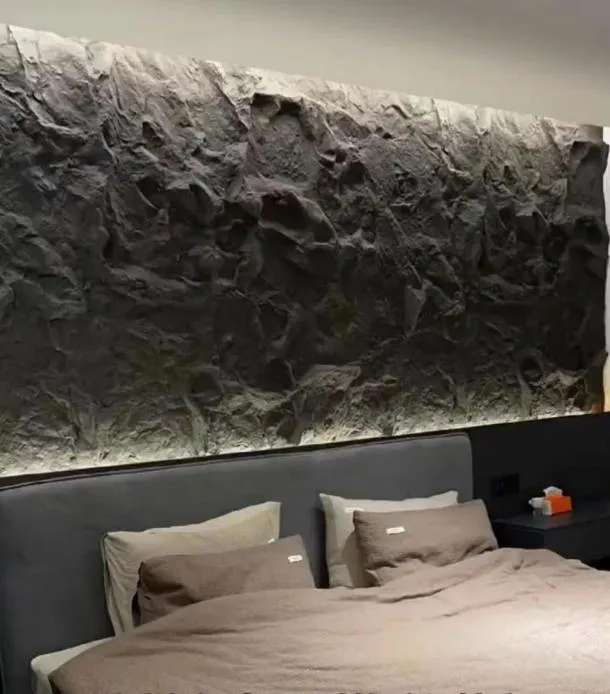
Creating custom PU stone wall panels isn't just about picking a color and a texture—it's a collaborative journey between you, your design team, and your supplier. Let's walk through how it typically works, so you know what to expect when you partner with a one-stop architectural solution provider that specializes in these materials.
It all starts with a conversation. Maybe you're an interior designer with mood boards full of images—"I love the warmth of this travertine, but I need it to be lighter and more uniform." Or perhaps you're a homeowner who saw a photo of a hotel lobby with a stone accent wall and thought, "I want that, but in my living room, and in a shade that matches my sofa." Whatever your vision, the first step is sharing it with your supplier. The best suppliers don't just listen—they ask questions: What's the space used for? How much natural light does it get? Are there specific building codes or performance requirements (like fire resistance or moisture resistance) we need to meet? The more details you provide, the more tailored the solution will be.
Next, it's time to dive into the specifics. PU stone panels can mimic just about any natural stone—granite, limestone, slate, even rare varieties like cloud stone. But they can also go beyond nature: think metallic finishes, matte pastels, or even custom patterns that blend multiple textures. Your supplier will walk you through samples, helping you feel the difference between a rough, "hand-chiseled" texture and a smooth, "polished" one. They might also suggest modifications based on the panel's intended use. For example, exterior panels need to withstand UV rays and temperature fluctuations, so your supplier might recommend a specialized coating. Interior panels, on the other hand, might prioritize sound absorption or ease of cleaning.
One of the biggest advantages of PU panels is their flexibility in size and shape. Unlike natural stone, which is heavy and brittle, PU can be molded into large sheets, small tiles, or even curved panels for rounded walls or arches. If your space has unique dimensions—say, a ceiling that slopes at a 45-degree angle or a wall with built-in niches—your supplier can create panels that fit perfectly, eliminating the need for awkward cuts or unsightly gaps. This step often involves 3D modeling or detailed measurements to ensure precision. Some suppliers even create mock-ups or small-scale prototypes, so you can see exactly how the panels will look before full production begins.
Color is where the magic really happens. PU panels can be tinted to match any shade, from warm earth tones to bold accent colors. Maybe you want panels that complement your kitchen cabinets, or you need them to blend seamlessly with existing exterior stonework. Your supplier can match colors to paint swatches, fabric samples, or even photos of inspiration spaces. They'll also consider how the color will look in different lighting—natural sunlight vs. artificial LED bulbs—to ensure consistency throughout the space.
Once the design is finalized, production begins. PU panels are created using molds, so custom textures and shapes are achieved by crafting unique molds tailored to your specifications. The best suppliers use high-quality polyurethane resins and additives to ensure durability, so your panels won't crack, fade, or warp over time. Throughout production, there's rigorous quality control: each panel is inspected for consistency in color, texture, and size. If something doesn't meet the standards, it's fixed before it ships.
Finally, it's time to bring your vision to life. Because PU panels are lightweight, installation is faster and more cost-effective than natural stone. Most suppliers provide detailed installation guides, and some even offer on-site support to ensure the panels are installed correctly. Whether you're working with a professional contractor or a DIY-savvy homeowner, the process is straightforward: panels are cut to size (if needed), adhered to the wall with construction adhesive, and sealed at the seams for a seamless look. In just a few days, your space is transformed.
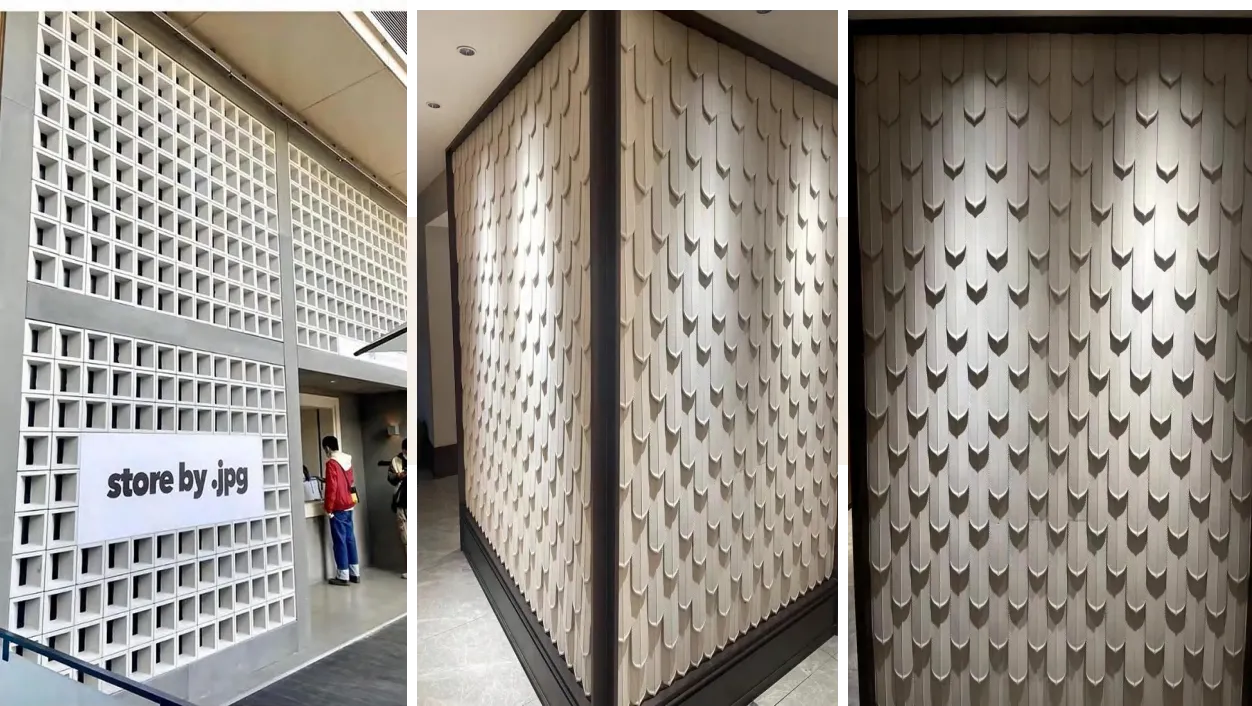
PU stone wall panels aren't limited to one type of space—they're versatile enough to enhance both interior and exterior decoration materials projects. Let's explore some of the most popular applications, and why designers keep coming back to them.
Inside the home or office, PU stone panels are all about creating focal points and setting the mood. Here are just a few ways they're used:
Exterior applications demand materials that can stand up to the elements, and PU stone panels deliver. Here's where they excel:
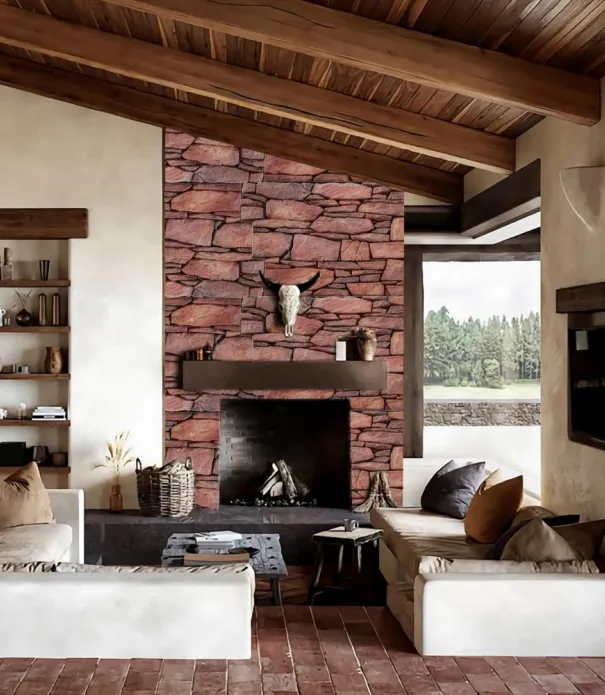
You might be thinking, "Can't I just buy generic stone panels from a big-box store?" Sure—but you'll miss out on the customization, expertise, and support that come with working with a specialized pu stone wall panel supplier. Here's why partnering with a supplier that focuses on pu stone wall panel solutions is worth it:
Big-box stores offer a limited selection of sizes, colors, and textures. A specialized supplier, on the other hand, can create panels that fit your space's unique dimensions and design requirements. If you have a curved wall, a unusually high ceiling, or a specific color in mind, they'll make it happen.
Not all stone panels are created equal—interior panels don't need the same weather resistance as exterior ones. A specialized supplier understands the nuances of each application and can recommend the right materials and finishes for your project. They'll also stay up-to-date on building codes, ensuring your panels meet local requirements (critical for commercial projects).
The best suppliers don't just sell PU stone panels—they're one-stop architectural solution providers. That means they can help you coordinate your wall panels with other materials, like flooring, ceiling solutions, or even custom furniture. This ensures a cohesive look throughout your space, saving you time and reducing the risk of mismatched designs.
Mass-produced panels often have inconsistencies in color and texture. Specialized suppliers, however, take pride in their craftsmanship, ensuring each panel meets strict quality standards. When you order custom panels, you can expect every piece to look like it belongs—no surprises, no disappointments.
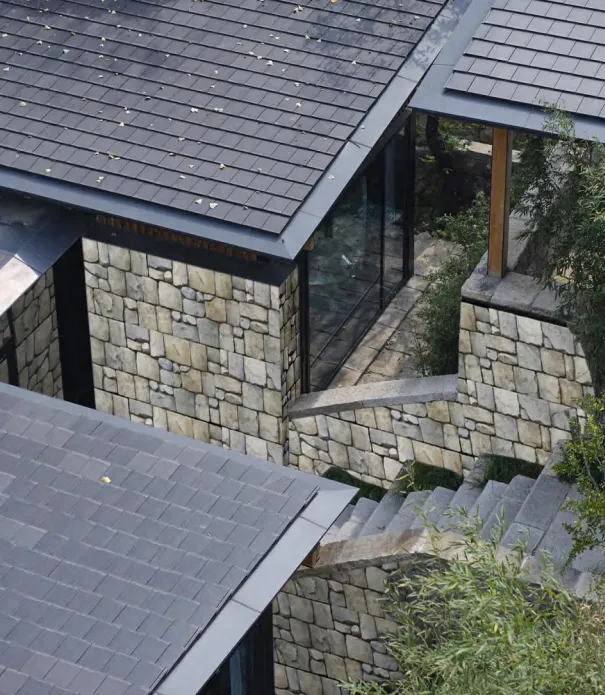
To truly understand the value of custom PU stone panels, it helps to see how they stack up against other popular wall panel solutions. The table below compares PU stone panels with natural stone, MCM flexible cladding, and bamboo charcoal board—three common alternatives.
| Feature | PU Stone Wall Panels | Natural Stone | MCM Flexible Cladding | Bamboo Charcoal Board |
|---|---|---|---|---|
| Weight | Lightweight (70% lighter than natural stone) | Heavy (requires structural support) | Lightweight | Moderate weight |
| Customization Options | High (colors, textures, sizes, shapes) | Low (limited by natural variation) | Moderate (textures and colors, but less shape flexibility) | Moderate (colors and wood grains) |
| Installation Difficulty | Easy (adhesive application, no special tools) | Hard (requires professional installers, mortar, cutting) | Moderate (needs specialized mounting systems) | Moderate (similar to wood paneling) |
| Durability | High (water-resistant, UV-resistant, impact-resistant) | High (but porous, prone to staining) | High (weather-resistant) | Moderate (can scratch, not ideal for high moisture) |
| Cost | Mid-range (affordable compared to natural stone) | High (expensive material + installation) | Mid-to-high range | Mid-range |
| Best For | Interior/exterior, curved walls, custom designs | High-end exteriors, traditional designs | Large exterior facades | Interior accent walls, eco-friendly projects |
As the table shows, PU stone panels excel in customization, weight, and ease of installation—making them the top choice for unique spaces that demand both beauty and practicality.
The Challenge: A homeowner in coastal California wanted to update their beach house's exterior. They loved the look of natural stone but were concerned about its weight (the house's wooden frame couldn't support it) and maintenance (salt air can damage natural stone over time). They also wanted a custom "driftwood gray" color to complement the ocean views.
The Solution: Working with a pu stone wall panel supplier, the homeowner chose custom PU stone panels designed to mimic weathered limestone. The supplier created a unique "driftwood gray" color and a textured finish that looked like stone worn smooth by the sea. The panels were lightweight enough for the existing frame and treated with a UV-resistant coating to withstand salt air.
The Result: In just three days, the home's exterior was transformed. The panels looked identical to natural stone but were easier to install and required no ongoing sealing. The homeowner saved on installation costs (no need for structural upgrades) and now enjoys a low-maintenance exterior that looks great year-round. "It's exactly what I wanted," they said. "And I didn't have to compromise on style or durability."
At the end of the day, designing a space is about more than just picking materials—it's about creating something that feels true to your vision. Generic wall panels might fill a wall, but they won't tell your story. Custom PU stone wall panels, on the other hand, are a blank canvas. They adapt to your space, reflect your style, and stand up to the demands of daily life.
Whether you're a designer working on a commercial project, a homeowner renovating your dream home, or a contractor looking for a reliable, versatile material, partnering with a specialized pu stone wall panel supplier is the first step toward bringing your vision to life. With their expertise in customization, commitment to quality, and focus on one-stop solutions, you can stop compromising and start creating spaces that truly stand out.
So why settle for "good enough"? Your unique space deserves a wall panel solution that's just as unique. With custom PU stone panels, the only limit is your imagination.
Recommend Products











