


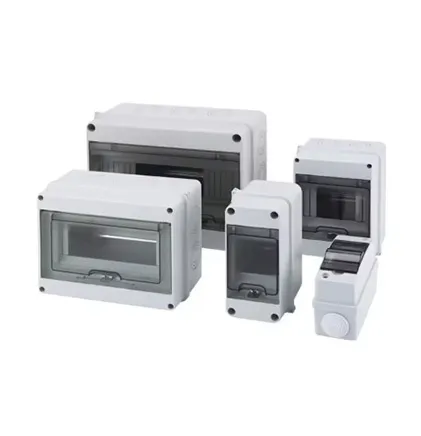
Not all construction sites are created equal. A distribution box installed in a temperate office building in Europe faces very different challenges than one in Riyadh, Saudi Arabia, where summer temperatures regularly hit 50°C (122°F), sandstorms blast fine grit through every gap, and humidity spikes during rare rainy seasons. Or consider coastal projects, where salt-laden air corrodes metal faster than a rusted bolt in the ocean. Even industrial areas throw curveballs: chemical exposure, constant vibration from heavy machinery, and extreme temperature swings can turn a standard electrical enclosure into a ticking time bomb.
Standard off-the-shelf distribution boxes simply aren't built for these scenarios. Most are designed for controlled environments—clean, dry, and with stable temperatures. They use thin steel casings that rust quickly in salty air, have minimal sealing against dust and water, and lack the insulation needed to handle extreme heat. The result? Frequent failures, safety risks, and costly downtime. For contractors and project managers in regions like the Middle East, Africa, or coastal Asia, this isn't just an inconvenience—it's a major barrier to delivering projects on time and within budget.










