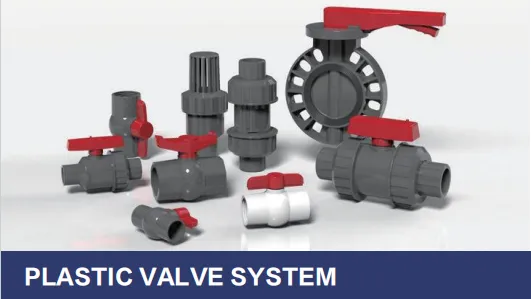
Picture your industrial operation running smoother than ever - pipes flowing steadily, chemicals transferring efficiently, water systems functioning flawlessly. That's the magic of precision-engineered plastic valve systems. But not all valves are created equal. When you need components tailored to your exact specifications, Chinese factories have emerged as global leaders in custom plastic valve manufacturing. From specialized irrigation systems to cutting-edge pharmaceutical applications, China's manufacturing ecosystem combines technical expertise, material innovation, and cost efficiency to deliver solutions that outperform off-the-shelf alternatives.
Why Plastic Valves? The Material Revolution
In industrial applications where corrosion resistance matters more than raw strength, plastic valves have displaced traditional metal alternatives at an astonishing pace. Factories across China now produce valves in engineered polymers that can handle everything from concentrated acids to ultra-pure water systems without degradation.
Material Choices Driving Performance
PVC (Polyvinyl Chloride)
The workhorse material for water systems, offering excellent chemical resistance at an affordable price point. Ideal for temperature applications under 140°F.
CPVC (Chlorinated Polyvinyl Chloride)
Takes temperature resistance up to 200°F while maintaining corrosion resistance. Perfect for hot water distribution in commercial buildings.
PP (Polypropylene)
Exceptionally resistant to acids, bases, and solvents. The go-to choice for chemical processing plants and laboratory settings.
PVDF (Polyvinylidene Fluoride)
High-purity material with outstanding chemical resistance and thermal stability. Essential in semiconductor manufacturing and pharmaceutical applications.
The Custom Advantage: Engineered Solutions
Chinese suppliers don't just manufacture valves - they solve flow control problems. The true value emerges when standard products can't meet your operational requirements. Imagine needing:
-
Non-standard sizing
- Valves that fit existing pipe networks without costly retrofits
-
Hybrid material construction
- Metal components where strength matters, plastic where corrosion resistance is critical
-
Specialized actuation
- Electric, pneumatic, or hydraulic controls integrated for remote operation
-
Chemical compatibility
- Material formulations designed for specific fluid service
-
Sanitary configurations
- Ultra-clean finishes and designs for food/pharma applications
This custom approach transforms generic components into strategic assets. Factories in Zhejiang and Guangdong provinces have particularly specialized in taking rough sketches or performance requirements and converting them into precision-engineered solutions within weeks, not months.
Core Valve Types Reimagined
While materials define what fluids can flow through the valves, the mechanical designs determine how they control that flow. Chinese manufacturers have pushed the boundaries of traditional valve concepts:
Innovations in Ball Valve Design
The humble ball valve has undergone a transformation in the hands of Chinese engineers. By optimizing sealing mechanisms and flow paths, they've created:
-
Cavity-free designs
eliminating bacterial traps in sanitary applications
-
Fire-safe configurations
with metal seals that engage during thermal failure
-
Low-torque variants
reducing actuator costs by up to 40%
-
Multi-port configurations
enabling complex flow patterns in compact footprints
Butterfly Valve Evolution
For large diameter applications, butterfly valves provide economical flow control. Chinese factories have refined these through:
-
Offset disc designs reducing operating torque by 30%
-
Contoured disc edges minimizing water hammer effects
-
Food-grade sealing surfaces compliant with FDA and EU standards
-
Corrosion-resistant stem designs extending service life in harsh environments
Check Valve Precision Engineering
Simple in concept but complex in execution, check valves demand precise engineering to prevent backflow without creating excessive pressure drop. Chinese manufacturers excel at:
-
Spring-assisted closure for rapid response times
-
Silent operation designs eliminating water hammer noise
-
Vertical/horizontal installations without performance compromise
-
Zero-leakage sealing critical for hazardous fluid containment
From Prototype to Production
How does a concept become reality? Progressive Chinese factories follow a disciplined 6-stage process:
-
Requirement analysis with your technical team
-
Material compatibility verification
-
Prototype development with 3D printing
-
Performance and longevity testing
-
Production tooling development
-
Quality-controlled manufacturing
This approach delivers custom solutions with production economics typically associated with standard products.
Industry Applications Transforming Operations
Custom plastic valves solve specific problems in diverse industrial sectors:
Water Management & Irrigation Systems
In modern agriculture, precise water control defines productivity. Tailor-made plastic valves enable:
-
Automated zone control in pivot irrigation systems
-
Fertilizer injection management through precision dosing valves
-
UV-resistant components for long-term field durability
-
Sand filtration systems with backwash automation
Real-World Solution:
A California vineyard reduced water usage by 30% after implementing custom pressure-compensating plastic valves from a Jiangsu manufacturer that maintained optimal flow rates across elevation changes in their irrigation system.
Chemical Processing Innovations
When handling aggressive media, standardized valves create vulnerabilities. Custom plastic solutions overcome this with:
-
Material compounding for enhanced chemical resistance
-
Fire-safe designs preventing catastrophic failure during incidents
-
Lined valve bodies providing dual-material benefits
-
Specialized stem seals eliminating fugitive emissions
Pharmaceutical & Food Safety
In hygienic industries, valve design impacts product safety. Custom manufacturers address these needs through:
-
Diaphragm valve designs with dead-space elimination
-
Clean-in-place integration capabilities
-
Surface finishes below 0.4μm RA for cleanability
-
Material certifications compliant with USP Class VI, FDA, and EC1935 standards
Smart Technology Integration
The modern valve extends beyond simple flow control. Chinese factories increasingly incorporate:
-
IoT sensors for real-time flow monitoring
-
Actuation compatibility with industrial automation systems
-
Position feedback signaling for remote status verification
-
Smart algorithms predicting maintenance requirements
Cost Engineering Without Compromise
Custom doesn't necessarily mean expensive. Chinese manufacturers leverage several economic advantages:
Value Creation Framework
-
Vertical Integration
- Controlling material supply to finished product reduces costs 15-25%
-
Manufacturing Clusters
- Suppliers in concentrated regions share innovations and reduce logistics costs
-
Tooling Expertise
- Advanced mold-making capabilities lower per-unit costs significantly over time
-
Material Optimization
- Computer-aided design ensures minimal waste and optimal structural performance
Sustainable Operations & Environmental Alignment
Forward-thinking Chinese manufacturers now prioritize sustainable practices:
-
Closed-loop material recycling programs
-
Solar-powered manufacturing facilities
-
Energy-efficient injection molding processes
-
Water-based coating systems eliminating VOC emissions
-
Product designs optimized for minimal material usage without compromising function
The Future of Plastic Valve Technology
Plastic valves continue evolving with emerging technologies:
-
Nanocomposites enhancing strength while maintaining chemical resistance
-
Smart surfaces modifying their properties in response to fluid conditions
-
4D-printed structures with shape memory characteristics
-
Embedded sensors providing unprecedented operational intelligence
These innovations build upon China's manufacturing strengths: adapting new materials to solve industrial challenges while maintaining reliability and cost-effectiveness across diverse operating environments.
Navigating Your Project Successfully
To maximize results from Chinese suppliers:
Collaboration Best Practices
-
Define Critical Parameters
- Separate must-have requirements from nice-to-have features to focus engineering efforts
-
Material Validation
- Conduct compatibility testing with your actual media, not generic solutions
-
Prototype Validation
- Test functionally before approving production tooling
-
Quality Auditing
- Implement multi-stage quality gates throughout manufacturing
-
Intellectual Property Protection
- Work with factories demonstrating robust IP safeguards
Conclusion: Precision Solutions Delivered
The landscape of industrial flow control has transformed dramatically. Where standardized valves created operational compromises, custom solutions from Chinese manufacturers now deliver precise operational alignment. Whether optimizing irrigation systems for water conservation, creating chemically inert pharmaceutical components, or developing specialized hydraulic solutions, the combination of materials science, production innovation, and cost engineering creates value beyond simple part procurement.
These engineered valve systems represent a new paradigm - where components don't just connect pipes but actively enhance operational reliability, efficiency, and safety across countless applications transforming how industries function globally.