
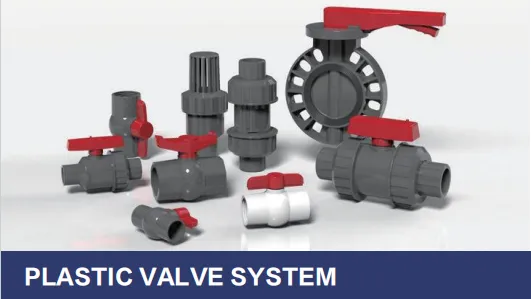
Picture this: It's a Tuesday morning, and you're standing on a construction site, coffee in hand, staring at a stack of plastic valves that arrived yesterday. The project manager is on the phone, voice tight—these valves, ordered from a standard supplier, are supposed to connect the new UPVC pipe system in the building's basement. But there's a problem: the valve ports are 2mm too narrow to fit the custom-sized UPVC pipes you specified. The deadline is three weeks away, and now you're stuck. Sound familiar? If you've ever worked on a project with unique requirements, you know the frustration of relying on off-the-shelf plastic valve systems. They're convenient, but they're not built for the messy, one-of-a-kind challenges that real-world projects throw at you. That's where custom plastic valve system solutions come in—and why more builders, engineers, and facility managers are turning to specialized suppliers to get the job done right.
Off-the-shelf plastic valves are designed to meet common needs: standard sizes, typical pressure ratings, and everyday materials. They're great for simple projects—like a small home renovation or a basic plumbing upgrade. But when your project involves unique dimensions, extreme conditions, or strict compliance standards, those "standard" solutions start to crack. Let's break down the most common headaches:
Size Limitations: Most suppliers stock valves in a narrow range of sizes—think ½ inch to 4 inches. But what if your project requires a 5-inch valve to connect to a custom PVC DWV pipe system in a commercial kitchen? Or a 1-inch valve with an unusual thread pattern to fit an imported PPR pipe and fitting from Europe? Off-the-shelf options leave you scrambling for workarounds, like using adapters that add bulk, reduce flow, or create weak points in the system.
Material Mismatches: Plastic valves come in PVC, CPVC, PPR, and UPVC, but standard suppliers rarely offer blends or specialized formulations. Imagine you're building a hospital wing where the piping system carries both hot water and mild chemicals. A standard PVC valve might corrode over time, while a CPVC valve could handle the heat but not the chemicals. You need a custom blend—maybe a CPVC-Sch80 base with a chemical-resistant coating—but good luck finding that on a shelf.
Pressure and Temperature Gaps: Industrial projects, like manufacturing plants or power facilities, often operate under extreme pressure (over 100 psi) or temperature (above 140°F). Off-the-shelf valves are tested for average conditions, not these extremes. Using a standard valve here isn't just inefficient—it's dangerous. A valve that fails under high pressure can lead to leaks, downtime, or even accidents.
Compliance Headaches: Sectors like healthcare, education, and water treatment face strict regulations. For example, a hospital expansion might require Class A fireproof materials, or a school might need lead-free valves to meet safety codes. Off-the-shelf valves rarely come with the specific certifications needed, forcing you to spend extra time (and money) verifying compliance—or worse, risking fines if something slips through.
At this point, you might be thinking: "Custom sounds expensive. Can't I just make the off-the-shelf valves work?" Maybe—but the long-term costs of jury-rigging solutions often outweigh the upfront investment in custom. Here's why custom plastic valve systems make sense:
Tailored to Your Exact Needs: A good plastic valve system supplier doesn't just sell you a product—they collaborate with you. They'll measure your pipes, analyze your fluid types, and factor in environmental conditions (like humidity or UV exposure) to design a valve that fits like a glove. No adapters, no compromises, no guesswork.
Durability That Saves Money: Custom valves are built to last. For example, if you're working on a coastal project where saltwater corrosion is a risk, a supplier can use UV-stabilized UPVC or add a protective layer to the valve body. This reduces replacements and maintenance costs over time—saving you far more than the initial price tag of a custom solution.
Efficiency Gains: Poorly fitting valves restrict flow, which means your pumps and systems have to work harder, driving up energy costs. Custom valves are engineered for optimal flow rates, reducing friction and improving efficiency. In large-scale projects—like a commercial building with a complex plumbing network—this can translate to thousands of dollars in savings annually.
Peace of Mind (and Compliance): Reputable suppliers ensure custom valves meet industry standards—whether it's ASTM D2846 for CPVC pipes or ASME codes for pressure systems. They'll provide documentation, test reports, and certifications, so you can sleep easy knowing your project is up to code.
| Feature | Off-the-Shelf Valves | Custom Plastic Valve Systems |
|---|---|---|
| Size Range | Limited (typically ½"–4") | Tailored to project specs (any size) |
| Material Options | Standard PVC, CPVC, PPR | Blends, coatings, and specialized materials (e.g., chemical-resistant, fireproof) |
| Pressure/Temp Rating | Up to 100 psi / 140°F (average) | Customizable (up to 200+ psi / 200+°F) |
| Compliance | Basic certifications only | Project-specific certifications (Class A fireproof, lead-free, etc.) |
| Long-Term Cost | Higher (due to replacements, inefficiencies) | Lower (durable, efficient, fewer repairs) |
Custom plastic valve systems aren't a niche luxury—they're a necessity for industries with unique demands. Let's look at a few sectors where "good enough" just doesn't cut it:
Healthcare: Hospitals and clinics have strict hygiene and safety standards. For example, a children's hospital might need valves that are easy to clean (no crevices for bacteria) and resistant to harsh disinfectants. A custom plastic valve system supplier can design smooth, seamless valves with anti-microbial coatings, ensuring compliance with healthcare regulations.
Industrial Manufacturing: Factories handling corrosive chemicals (like acids or solvents) need valves that can withstand constant exposure. A standard PVC valve would degrade quickly, but a custom CPVC-Sch80 valve with a Teflon lining? It'll last for years, reducing downtime and safety risks.
Water Treatment: Municipal water plants often deal with varying pressure and flow rates, especially during peak usage. Custom valves with adjustable pressure settings can help regulate flow, preventing pipe bursts and ensuring consistent water quality.
Commercial Construction: Modern buildings—like high-rises or mixed-use developments—have complex plumbing and HVAC systems. For example, a luxury hotel might need silent valves to maintain guest comfort, or a tech campus might require valves that integrate with smart building management systems. Custom solutions can include features like noise-dampening materials or sensor-compatible designs.
Education: Schools and universities need durable, low-maintenance systems. A custom PVC DWV pipe and valve system, for instance, can be designed to resist clogs (a common issue in dormitories) and easy to repair, keeping costs down for facility managers.
So, what does the process of creating a custom plastic valve system actually look like? It's not as mysterious as you might think—and it starts with collaboration. Here's a step-by-step breakdown:
1. Consultation: Understanding Your "Why" The first step is sitting down with your supplier to talk about the project. What are your pain points? What are the non-negotiables (size, material, compliance)? A good supplier will ask questions like: "What fluid will the valve carry?" "What's the maximum pressure it will face?" "Are there space constraints in the installation area?" This isn't just small talk—it's how they tailor the solution to your needs.
2. Design: Engineering for Your Project Next, the supplier's engineering team gets to work. Using CAD software, they design a valve that addresses your requirements. For example, if you need a valve to fit between two non-standard UPVC pipes, they'll adjust the port size and thread pattern. If chemical resistance is key, they'll select a material blend (like PPR with added stabilizers) and test it in their lab.
3. Prototyping: Testing Before Mass Production Once the design is finalized, the supplier creates a prototype. This is where you can catch issues early. Maybe the valve is too heavy for the installation space, or the handle is awkward to operate. Prototyping lets you tweak the design without wasting time or materials on full production.
4. Testing: Ensuring Safety and Performance Custom valves undergo rigorous testing—pressure testing, temperature cycling, chemical exposure, and compliance checks. For example, a valve destined for a hospital will be tested for fire resistance (to meet Class A standards) and lead content (to comply with health codes). Only after passing these tests does production begin.
5. Production and Delivery: On-Time, On-Spec Finally, the supplier manufactures the valves in their facility, using precision tools to ensure consistency. They'll also coordinate delivery to your site, often with technical support to help with installation. Many suppliers even offer post-installation follow-up to make sure the valves are performing as expected.
The Challenge: A large hospital in Riyadh was expanding its maternity ward, requiring a new plumbing system to connect to the existing infrastructure. The project called for UPVC pipes (for durability) and valves that could handle both hot water (up to 160°F) and frequent cleaning with peroxide-based disinfectants. Off-the-shelf UPVC valves couldn't handle the temperature, and CPVC valves corroded when exposed to peroxide.
The Solution: The hospital partnered with a plastic valve system supplier specializing in healthcare projects. The supplier designed a custom valve using a CPVC-Sch80 base (for heat resistance) coated with a peroxide-resistant polymer. They also adjusted the valve size to fit the existing UPVC pipes, eliminating the need for adapters.
The Result: The custom valves were installed on time, with zero leaks or corrosion after six months of use. The hospital saved $15,000 in potential repairs and avoided a two-week delay—proving that custom solutions aren't just better, they're smarter.
Not all suppliers are created equal. To get the best custom plastic valve system, you need a partner with the expertise, tools, and commitment to see your project through. Here are the key qualities to look for:
Engineering Expertise: A good supplier should have in-house engineers with experience in plastic materials and fluid dynamics. Ask about their track record—have they worked on projects similar to yours? Can they provide examples of custom designs they've created?
Material Knowledge: Plastic valves rely on the right materials. Your supplier should be able to explain the pros and cons of options like UPVC, PPR, and CPVC, and recommend blends or coatings for your specific needs. Avoid suppliers who push a one-material-fits-all approach.
Testing Capabilities: Look for suppliers with on-site testing labs. They should be able to test pressure, temperature resistance, and chemical compatibility in-house, rather than outsourcing the work (which can slow down the process).
Collaborative Approach: The best suppliers treat you as a partner, not just a customer. They'll ask questions, listen to your concerns, and keep you updated throughout the design and production process. Avoid suppliers who rush the consultation phase—details matter.
Post-Sale Support: Installation issues happen, even with custom systems. Choose a supplier that offers technical support, warranty coverage, and maintenance advice. A supplier who disappears after delivery isn't worth the savings.
As projects become more complex—with stricter regulations, unique designs, and higher performance demands—off-the-shelf plastic valve systems will only become less sufficient. Custom solutions, once seen as a luxury, are quickly becoming the norm. They're not just about solving problems—they're about unlocking possibilities: building taller, safer, more efficient structures; creating systems that adapt to changing needs; and delivering projects that stand the test of time.
So, the next time you're staring at a stack of ill-fitting valves, remember: you don't have to settle. A custom plastic valve system isn't just an upgrade—it's an investment in your project's success. And with the right supplier by your side, you'll wonder how you ever managed with "standard."
Recommend Products












