

Walls are the silent storytellers of any space. They don't just divide rooms—they set the mood, reflect personalities, and even influence how we feel in a home, office, or restaurant. In recent years, the demand for wall solutions that blend durability, style, and adaptability has skyrocketed. Enter MCM flexible cladding stone wall panels: a material that's redefining what walls can be. But what makes these panels truly stand out? It's the power of customization. From size to color, and even texture, MCM panels let you craft walls that are as unique as the spaces they inhabit. In this article, we'll dive into everything you need to know about customizing MCM flexible cladding stone wall panels, why it matters, and how to choose the right supplier to bring your vision to life.
First things first: let's break down what MCM stands for. MCM is short for "Mineral Composite Material," a blend of natural minerals, polymers, and reinforcing fibers. Think of it as a high-tech upgrade to traditional stone or tile. What makes MCM panels special is their flexibility—they can bend and curve without cracking, making them perfect for non-flat surfaces like arched doorways, rounded columns, or even curved accent walls. Unlike rigid stone slabs or heavy tiles, MCM panels are lightweight (about 3-5kg per square meter), which means easier installation and less stress on building structures. They're also durable, weather-resistant, and low-maintenance—ideal for both interior and exterior use.
But here's the kicker: MCM panels aren't just functional—they're designed to look like the real deal. With advanced printing and texturing techniques, they can mimic the appearance of natural stone, wood, marble, or even concrete. So whether you want the rustic charm of a mountain cabin or the sleek elegance of a modern loft, MCM panels can pull it off. And when you add customization into the mix? The possibilities become endless.
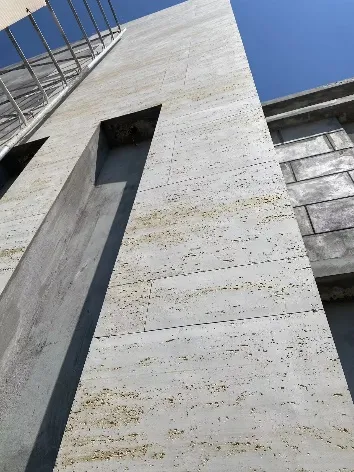
Ever walked into a room and thought, "This wall would look perfect if that panel was just a few inches taller"? Standard wall panels often force you to work around their fixed dimensions, leading to awkward cuts, visible seams, or wasted material. MCM panels change that by offering fully customizable sizing. Let's say you're designing a feature wall with a specific pattern—maybe a geometric layout or a mosaic-inspired design. With custom sizing, you can order panels in exact measurements (think 600x300mm, 1200x600mm, or even odd sizes like 850x425mm) to ensure the pattern lines up perfectly, no gaps or misalignments.
For commercial projects, size customization is even more critical. Imagine a hotel lobby with a sweeping curved wall: rigid panels would crack or require unsightly seams, but MCM panels can be tailored to the wall's radius, creating a smooth, continuous surface. Or consider a retail store with a unique ceiling height—custom-length MCM panels can eliminate the need for overlapping pieces, giving the space a clean, high-end look. Even in residential settings, custom sizes shine: maybe you have a narrow bathroom where standard 600mm-wide panels would leave a tiny, useless strip. With MCM, you can order 550mm-wide panels to fit snugly, making the most of every inch.
Color is where MCM panels truly let your creativity run wild. Unlike natural stone, which is limited to the hues found in nature, MCM panels can be dyed or printed in virtually any color. Want a soft, warm beige to complement your living room's neutral palette? Done. Dreaming of a deep, moody charcoal for a home theater? No problem. Need a vibrant terracotta to match your restaurant's brand colors? Consider it handled.
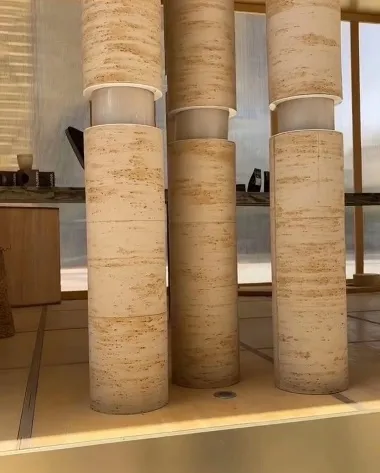
But customization goes beyond just solid colors. Many suppliers offer textured finishes that add depth and realism. For example, you can get MCM panels with the rough, pitted surface of travertine, the veiny elegance of marble, or the smooth sheen of polished granite. Some even offer dual-tone options, where the base color is accented with subtle flecks or veins—perfect for adding visual interest without overwhelming a space. And if you can't find exactly what you want in a supplier's catalog? Many will work with you to create a custom color match, using a sample swatch, paint code, or even a photo of your inspiration (like a favorite sunset or a piece of artwork).
At first glance, customization might seem like a "nice-to-have" for design enthusiasts. But in reality, it's a practical solution to common design challenges. Let's break down why it matters:
1. Fitting Unique Spaces: No two rooms are identical. Older buildings might have uneven walls or non-standard dimensions; modern architecture often features bold, unconventional shapes. Custom-sized MCM panels adapt to these quirks, ensuring a seamless fit that rigid materials can't match.
2. Brand Identity: For businesses, walls are part of the brand story. A coffee shop aiming for a cozy, rustic vibe might opt for custom warm-toned MCM panels with a wood-grain texture, while a tech startup might choose sleek, metallic-hued panels to reflect innovation. Custom colors and textures help businesses stand out and reinforce their identity.
3. Personalization at Home: Your home should feel like "you." Maybe you've always wanted a feature wall that matches your grandmother's antique vase, or a bedroom accent wall in your favorite shade of sage green. Custom MCM panels let you infuse your space with personal touches that mass-produced materials can't replicate.
4. Cost-Effectiveness: It might seem counterintuitive, but customization can actually save money. When panels are tailored to your space, you reduce waste from cutting down oversized materials. You also avoid the cost of reordering panels that don't fit, or the labor hours spent modifying ill-fitting products.
Of course, MCM panels aren't the only game in town. There are plenty of other wall materials out there, each with its own strengths. Let's compare MCM with a few popular alternatives to see where it shines—especially when it comes to customization.
| Material | Flexibility | Custom Size Options | Custom Color Range | Best For |
|---|---|---|---|---|
| MCM Flexible Cladding Stone Wall Panels | High (bends to curves) | Wide (custom dimensions available) | Extensive (solid colors, textures, custom matches) | Curved walls, accent walls, exterior cladding, commercial spaces |
| Bamboo Charcoal Board Wall Panels | Low (rigid, limited bend) | Moderate (standard sizes, some custom cuts) | Limited (natural wood tones, a few dyed options) | Eco-friendly interiors, moisture-prone areas (bathrooms, basements) |
| Class A Fireproof CPL Inorganic Board | Very Low (rigid, brittle) | Limited (mostly standard sizes) | Basic (solid colors, few textures) | Hospitals, schools, high-safety commercial buildings |
| Porcelain Slab Tile for Wall | Low (thick, rigid) | Moderate (large formats, limited custom cuts) | Moderate (stone-look, solid colors) | Sleek, modern interiors, kitchen backsplashes |
As you can see, MCM panels stand out for their flexibility and customization options. Bamboo charcoal boards, for example, are great for eco-conscious projects but lack the bendability and color range of MCM. Class A fireproof CPL inorganic boards are essential for high-safety spaces like hospitals and schools, but their rigidity and limited design options make them less ideal for creative projects. Porcelain slabs offer a sleek, modern look but are heavy and hard to customize for non-standard spaces. MCM panels, on the other hand, bridge the gap between functionality and creativity—making them a top choice for anyone who wants walls that are both practical and personal.

Customization is only as good as the supplier behind it. Even the most innovative MCM panels won't live up to your expectations if your supplier cuts corners, misses deadlines, or fails to understand your vision. That's why many architects, designers, and homeowners opt for a one-stop architectural solution provider —a supplier that handles everything from material selection and customization to delivery and even installation support. Here's why this matters:
Consistency: When you work with a one-stop provider, you avoid the hassle of coordinating with multiple vendors (e.g., a panel manufacturer, a color specialist, a logistics company). This reduces the risk of miscommunication, delays, or mismatched materials. For example, if you order custom-colored MCM panels and matching trim from the same supplier, you can be sure the colors will align perfectly—no unpleasant surprises when everything arrives on-site.
Expertise: A reputable one-stop supplier will have in-house experts who understand the ins and outs of MCM panels. They can guide you through the customization process, offering advice on size limitations (e.g., "A panel wider than 1200mm might warp in high humidity"), color durability (e.g., "This bright yellow will fade faster in direct sunlight—would you consider a slightly deeper hue?"), and installation best practices. They might even have samples or case studies of similar projects, helping you visualize the end result.
Accountability: If something goes wrong—say, a batch of panels arrives with the wrong texture—dealing with a single supplier means there's no finger-pointing between vendors. A good one-stop provider will take responsibility and work quickly to fix the issue, minimizing delays to your project.
Not all suppliers are created equal. When shopping for a custom MCM flexible cladding stone wall panel supplier, keep an eye out for these key traits:
Customization Capabilities: Ask about their size and color options. Do they offer truly custom dimensions, or just a few preset "custom" sizes? Can they match a specific color from a sample, or are you limited to their catalog? The more flexible they are, the better.
Material Quality: MCM panels should be durable, weather-resistant, and non-toxic. Ask for certifications (e.g., fire resistance ratings, low-VOC emissions) and request samples to test for flexibility (bend a sample to see if it cracks) and texture (run your hand over it to check for roughness or unevenness).
Portfolio and Reviews: Look for suppliers with a portfolio of past custom projects. Do their clients include reputable businesses or well-known designers? Read reviews to see if customers mention issues with customization (e.g., "The color was nothing like the sample") or praise the supplier's attention to detail.
Turnaround Time: Customization takes time, but it shouldn't drag on indefinitely. Ask for a clear timeline—from design approval to production to delivery—and make sure it aligns with your project schedule.
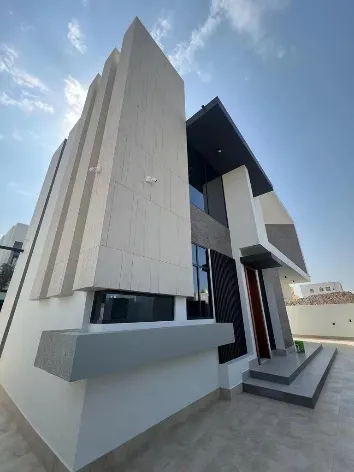
Still not sure if custom MCM panels are right for you? Let's look at a few real-world examples of how they've transformed spaces:
Example 1: A Boutique Hotel Lobby A luxury hotel in Riyadh wanted to create a showstopping lobby with a curved accent wall that mimicked the look of natural sandstone. The problem? Traditional sandstone slabs are heavy, rigid, and would require unsightly seams to cover the curve. The hotel partnered with a one-stop architectural solution provider to create custom MCM panels: 1000mm tall, 450mm wide, and curved to a 2.5m radius. The panels were colored to match the warm, golden tones of Saudi sandstone, with a textured finish that looked just like the real thing. The result? A seamless, sweeping wall that wows guests from the moment they walk in—all without the weight or cost of natural stone.
Example 2: A Homeowner's Creative Accent Wall A homeowner in Dubai wanted to turn their plain bedroom wall into a focal point inspired by the desert sky at sunset. They worked with a supplier to create custom MCM panels in gradient shades: starting with deep orange at the bottom, fading to soft pink, then pale purple at the top. The panels were cut to 800x500mm to fit the wall perfectly, with a matte finish that absorbed light and enhanced the gradient effect. The final wall feels like a piece of art—and because MCM panels are easy to clean, it will stay looking fresh for years.
Example 3: A Restaurant Chain's Branded Interiors A popular casual dining chain wanted to standardize their restaurant interiors while still allowing each location to feel unique. They chose MCM panels in their brand color—a bright, energetic blue—with a subtle texture that added warmth. For larger locations, they ordered 1200x600mm panels to cover walls quickly; for smaller, cozy locations, they used 600x300mm panels to create a more intimate feel. The result? Consistency in branding across all restaurants, with just enough variation to keep each space feeling special.
Q: Are custom MCM panels more expensive than standard sizes?
A: Yes, custom sizes and colors typically cost more than standard options, as they require specialized production runs. However, the extra cost is often worth it for the perfect fit and unique look—especially if it reduces waste or eliminates the need for additional materials (like trim to cover gaps).
Q: How long does custom MCM panel production take?
A: It varies by supplier, but expect 2-4 weeks for custom sizes and 3-6 weeks for custom colors (since color matching and testing take extra time). Rush options may be available for an additional fee.
Q: Can MCM panels be customized for outdoor use?
A: Absolutely! MCM panels are weather-resistant, making them great for exterior cladding. When customizing for outdoors, ask about UV-resistant colors (to prevent fading) and thicker panels (for added durability against wind and rain).
Q: Do I need a professional to install custom MCM panels?
A: While MCM panels are lighter and easier to install than natural stone, custom sizes (especially large or curved panels) require precision. We recommend hiring a professional installer with experience working with MCM—many one-stop suppliers can even recommend trusted installers in your area.
At the end of the day, custom MCM flexible cladding stone wall panels are about more than just building materials—they're about creating spaces that feel uniquely yours. Whether you're designing a home that reflects your personality, a business that stands out from the crowd, or a public space that inspires, customization lets you turn your vision into reality. From the curve of a wall to the shade of a color, every detail matters—and with the right supplier, those details are in your hands.
So why settle for walls that blend in when you can have walls that speak ? With MCM flexible cladding stone wall panels, the only limit is your imagination. Now go forth, and design something amazing.
Recommend Products











