

In the world of modern architecture, every building tells a story. From the cozy corner of a residential living room to the sleek façade of a commercial skyscraper, the materials chosen to clothe these structures do more than just cover walls—they shape experiences, evoke emotions, and stand as a testament to the vision of designers, architects, and homeowners alike. Among the many elements that contribute to a building's character, wall panels have emerged as a quiet yet powerful protagonist. They bridge the gap between aesthetics and functionality, offering endless possibilities to transform spaces. And in this dynamic landscape, one material has risen to prominence for its ability to blend flexibility, durability, and design freedom: MCM flexible cladding stone wall panels. As a dedicated building materials supplier with years of experience serving both residential and commercial clients, we've seen firsthand how the right wall panel solution can turn a good project into an extraordinary one. This article dives into the world of custom MCM flexible cladding stone wall panel solutions, exploring why they've become a go-to choice for architects and builders, how they can be tailored to fit unique project needs, and why partnering with a one-stop architectural solution provider makes all the difference in bringing visions to life.
Gone are the days when wall panels were viewed as mere "coverings." Today, they're integral to a building's identity. Think about the last time you stepped into a boutique hotel lobby—the warmth of wood-grain panels, the texture of stone-inspired cladding, or the sleekness of minimalist surfaces immediately set the tone. In offices, wall panels contribute to acoustics, lighting, and brand identity; in hospitals, they prioritize safety and hygiene; in homes, they reflect personal style and create comfort. The demand for wall panels that can do it all—look stunning, perform reliably, and adapt to diverse environments—has never been higher. Traditional materials like solid stone or brick, while timeless, often come with limitations: heaviness that strains structural loads, rigidity that restricts design curves, or fragility that complicates installation. This is where MCM flexible cladding stone wall panels enter the scene, redefining what's possible.
MCM, or Modified Composite Material, is a revolutionary blend of natural minerals, polymers, and reinforcing fibers. Developed to mimic the look and feel of natural stone, wood, or concrete, MCM panels are engineered to be lightweight, flexible, and incredibly durable. Unlike their rigid counterparts, they can bend, curve, and conform to irregular surfaces, making them ideal for both flat walls and architecturally complex façades. For residential building materials suppliers and commercial building materials suppliers, this flexibility opens up a new realm of opportunities to meet client demands for unique, eye-catching designs without compromising on practicality. Whether it's a residential high-rise with curved balconies or a commercial mall with undulating exterior walls, MCM panels adapt—seamlessly.
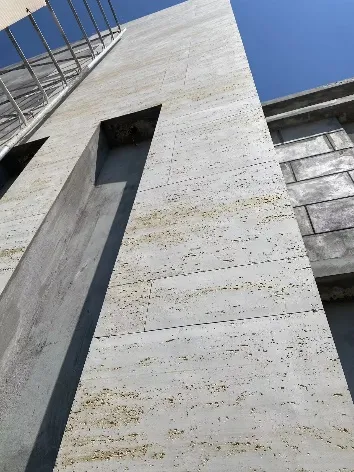
To truly appreciate MCM panels, it helps to break down their key attributes. Let's start with their core advantage: flexibility. Imagine a material that can be shaped to follow the contour of a circular tower or wrap around a spiral staircase—without cracking, warping, or losing structural integrity. MCM panels achieve this through their composite structure: the mineral content provides the authentic look of stone, while the polymer binder adds elasticity, and the reinforcing fibers enhance tensile strength. This combination allows for a minimum bending radius of as little as 30cm (depending on thickness), making them a dream for architects pushing the boundaries of geometric design.
Durability is another non-negotiable. In harsh climates—like the scorching heat of Saudi Arabia or the humidity of coastal regions—building materials face relentless testing. MCM panels are designed to withstand extreme temperatures, UV radiation, moisture, and even impact. Unlike natural stone, which can absorb water and develop stains or cracks over time, MCM is non-porous, resistant to mold and mildew, and requires minimal maintenance. A quick wash with water is often enough to keep them looking fresh for decades. For commercial projects, where long-term performance directly impacts operational costs, this longevity is a major selling point. For homeowners, it means investing in a wall solution that stays beautiful year after year, without the hassle of frequent repairs or replacements.
Aesthetics, of course, are where MCM panels truly shine. As a building materials supplier, we've seen the demand for customization skyrocket. Clients no longer want "off-the-shelf" looks—they want panels that align with their unique design language. MCM delivers here, too. Through advanced manufacturing techniques, these panels can replicate the texture of rough-hewn granite, the veining of marble, the warmth of wood, or the smoothness of concrete. Colors range from earthy neutrals to bold hues, and finishes include matte, gloss, metallic, or even textured surfaces that mimic natural weathering. For a residential project aiming for a rustic, mountain-inspired vibe, we can create MCM panels with a rough, stone-like texture in warm browns and grays. For a commercial tech office going for a futuristic look, sleek, high-gloss black panels with subtle metallic flecks might be the perfect fit. The possibilities are limited only by imagination—and with MCM, even the most intricate designs are achievable.
| Panel Type | Material Composition | Flexibility | Fire Resistance | Typical Applications | Customization Level |
|---|---|---|---|---|---|
| MCM Flexible Cladding Stone Wall Panel | Mineral powder, polymer resin, reinforcing fibers | High (can bend to 30cm radius) | Class B1 (many variants Class A) | Residential façades, commercial interiors/exteriors, curved structures | High (colors, textures, sizes, finishes) |
| PU Stone Wall Panel | Polyurethane foam, stone powder | Moderate (limited bending) | Class B2 (varies by density) | Accent walls, interior feature walls | Moderate (pre-set textures, limited colors) |
| WPC Wall Panel | Wood fiber, plastic, additives | Low (rigid, prone to warping if bent) | Class B2 (some fire-retardant options) | Indoor walls, ceilings, moisture-prone areas | Moderate (wood grain patterns, standard colors) |
| Bamboo Charcoal Board Wall Panel | Bamboo fiber, charcoal powder, binder | Low (rigid, brittle if flexed) | Class A (excellent for hospitals/schools) | Healthcare facilities, educational buildings, eco-friendly homes | Low (natural tones, limited textures) |
The table above offers a snapshot of how MCM flexible cladding stone wall panels compare to other popular wall panel types. While options like PU stone or WPC panels have their merits—PU, for example, is lightweight and affordable; WPC offers a natural wood look—MCM stands out for its unbeatable combination of flexibility, durability, and customization. For projects that demand both form and function, this balance is invaluable. It's why we, as a one-stop architectural solution provider, often recommend MCM as a versatile base for residential and commercial designs, pairing it with complementary materials like bamboo charcoal boards for high-safety areas or porcelain slabs for accent walls when needed.
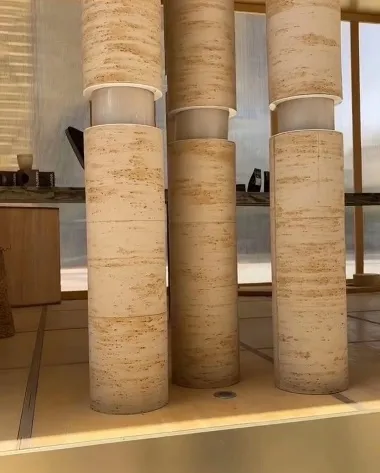
At the heart of MCM's appeal is its customizability. Every project is unique, and a one-size-fits-all approach to wall panels rarely works. A luxury villa in Riyadh might require panels that mimic the local sandstone to blend with the landscape, while a modern art gallery in Dubai could call for bold, monochromatic panels that serve as a backdrop for exhibits. As a residential and commercial building materials supplier, our job is to translate these needs into tangible, high-quality panels. So, how exactly does the customization process work?
It starts with a conversation. We begin by understanding the project's goals: Is it a residential development aiming for a cohesive neighborhood aesthetic, or a commercial landmark that needs to stand out in a crowded skyline? Who is the end user? What are the environmental conditions (sun exposure, humidity, temperature fluctuations)? What design themes or cultural elements need to be incorporated? For example, a client once approached us for a residential complex inspired by traditional Saudi architecture, which often features intricate geometric patterns and warm, earthy tones. We worked with their design team to create MCM panels with custom laser-etched geometric motifs, using a blend of sandy beiges and terracottas to reflect local heritage. The result was a development that felt both modern and rooted in tradition—a perfect example of customization driving identity.
Next comes material selection and sampling. MCM panels can be adjusted in thickness (typically 3-8mm), size (standard sheets up to 1.2m x 2.4m, but customizable for larger or smaller dimensions), and weight (as light as 4-6kg per square meter, reducing structural load). For a project with curved walls, we'd recommend a thinner, more flexible variant; for high-traffic commercial areas, a thicker, more impact-resistant option. We then create physical samples—small panels in the desired color, texture, and finish—so the client can see and feel the material in person, test it under different lighting, and ensure it aligns with their vision. This step is crucial; digital renderings can only convey so much, and holding a sample helps avoid costly miscommunications later.
Surface treatment is another layer of customization. Beyond color and texture, clients can choose from special finishes like anti-slip coatings for exterior walkways, anti-microbial treatments for healthcare facilities, or self-cleaning coatings for high-rise exteriors (which repel dirt and reduce maintenance). For a hospital project, where hygiene is paramount, we once added an anti-bacterial layer to MCM panels used in patient rooms, ensuring they could withstand frequent cleaning with harsh disinfectants without fading or degrading. For a coastal restaurant, we opted for a salt-resistant finish to protect panels from sea spray, maintaining their appearance despite the harsh marine environment. These small, tailored adjustments make a big difference in long-term performance and client satisfaction.
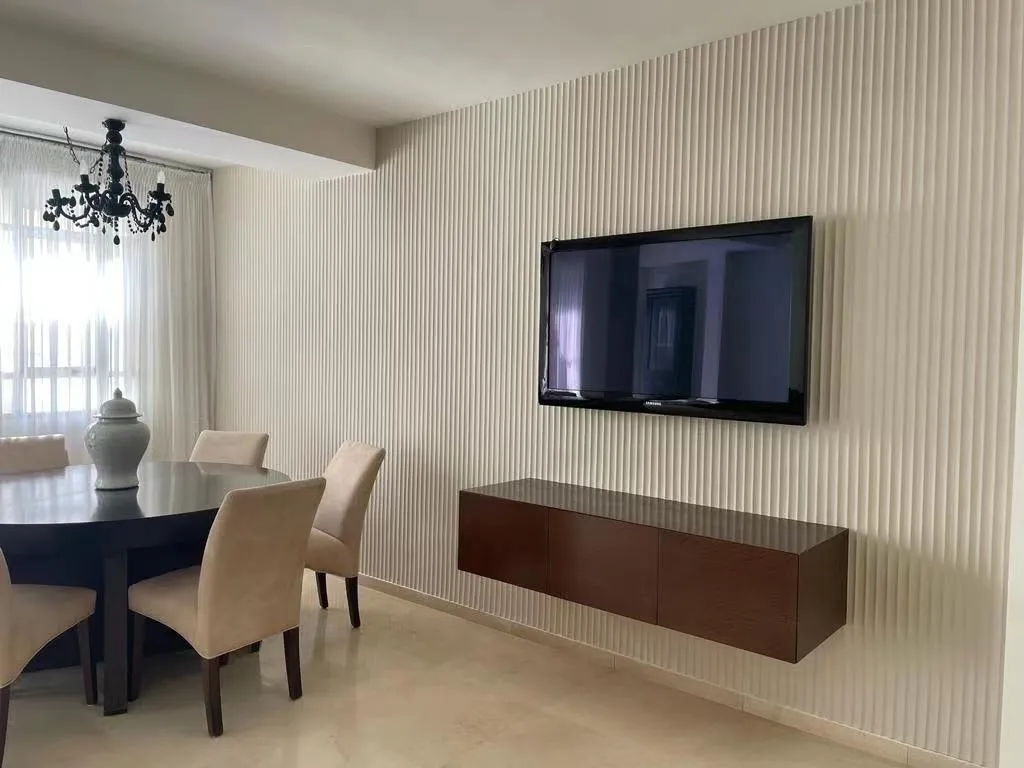
One of the reasons MCM flexible cladding stone wall panels have become a staple for both residential and commercial building materials suppliers is their versatility across project types. Let's take a closer look at how they shine in each context.
Residential Projects: Homes are deeply personal, and wall panels play a key role in creating comfort and style. MCM panels offer homeowners the chance to bring high-end, natural-inspired looks into their spaces without the high cost or maintenance of real stone. For example, a homeowner wanting a feature wall in their living room that looks like stacked stone can achieve this with MCM panels that are lightweight (easy to install on standard drywall), affordable (a fraction of the cost of real stone), and easy to clean (no sealing or special treatments needed). In exterior applications, MCM panels protect homes from the elements while adding curb appeal. A villa with a curved exterior can use MCM to follow the roofline's gentle arc, creating a soft, organic silhouette that solid stone would never allow. For townhouse developments, MCM panels can be customized in a range of coordinated colors and textures, ensuring each unit feels unique while maintaining a cohesive neighborhood look. As a residential building materials supplier, we've also seen a rise in demand for MCM panels in home extensions and renovations—their lightweight nature means they can often be added to existing structures without requiring major structural upgrades, saving time and money.
Commercial Projects: Commercial spaces demand materials that are not only attractive but also durable, safe, and cost-effective over time. MCM panels deliver on all fronts. In office buildings, they're used for both exterior façades and interior accent walls, contributing to a professional, modern aesthetic. Their acoustic properties can even be enhanced with added insulation layers, reducing noise transfer between floors or open-plan areas. Retail spaces benefit from MCM's ability to create brand-specific environments—think of a luxury fashion store using sleek, marble-look MCM panels to evoke elegance, or a casual café with wood-textured panels for a cozy, welcoming vibe. Healthcare facilities, too, are turning to MCM for its hygiene and safety features. While Class A fireproof CPL inorganic boards are often the go-to for hospitals and schools (due to their superior fire resistance), MCM panels with Class A ratings are increasingly used in non-critical areas like lobbies or waiting rooms, adding warmth without compromising safety. Even industrial facilities, where durability is king, use MCM panels for their resistance to chemicals, abrasion, and extreme temperatures. For a warehouse with high ceilings, MCM panels can be installed quickly and easily, covering large areas with minimal labor costs.

While MCM flexible cladding stone wall panels are impressive on their own, their true potential is unlocked when paired with a supplier that offers more than just materials—a one-stop architectural solution provider. Here's why this partnership matters:
Integrated Expertise: A one-stop provider doesn't just sell MCM panels; they understand how they fit into the larger architectural puzzle. This means offering guidance on complementary materials—like pairing MCM façades with WPC wall panels for interior spaces, or coordinating with flooring solutions to ensure a cohesive look. For example, a hotel project might use MCM panels for exterior cladding, bamboo charcoal board wall panels for guest room interiors (for their air-purifying properties), and terrazzo tile solutions for lobby floors. A one-stop supplier can manage the sourcing, customization, and delivery of all these materials, ensuring consistency in quality and design.
Project-Specific Support: From concept to completion, a good supplier acts as an extension of the client's team. This includes technical support during the design phase (helping architects calculate panel dimensions, assess structural requirements, or navigate building codes), on-site installation guidance (training contractors on best practices for cutting and fitting MCM panels), and post-installation follow-up (addressing any issues and ensuring long-term satisfaction). For a complex commercial project with tight deadlines, this support can be the difference between on-time delivery and costly delays.
Quality Control: When materials come from multiple suppliers, quality can vary, leading to mismatched colors, inconsistent textures, or varying durability. A one-stop provider maintains strict quality control across all products, ensuring that every batch of MCM panels (or any other material) meets the same high standards. We conduct rigorous testing—for fire resistance, water absorption, impact strength, and colorfastness—before products leave our facility, giving clients peace of mind that their investment will last.
Cost Efficiency: Sourcing from a single provider reduces logistics costs, minimizes communication gaps, and often leads to bulk pricing benefits. Instead of coordinating with multiple suppliers for wall panels, flooring, and architectural façade solutions, clients can streamline the process, saving time and money. For example, a residential developer building 50 units can order MCM panels, flooring, and ceiling solutions from one supplier, negotiating a package price and simplifying delivery schedules.
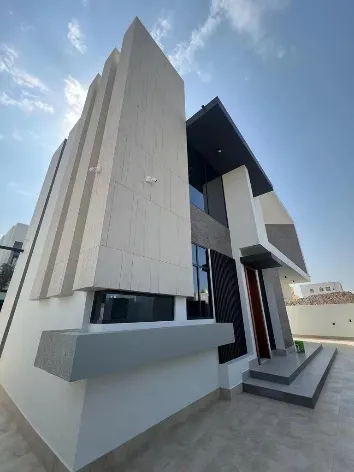
At the end of the day, building materials are more than just products—they're tools for storytelling. MCM flexible cladding stone wall panels, with their flexibility, durability, and endless customization options, have become a powerful tool for architects, builders, and homeowners to tell stories of innovation, beauty, and functionality. Whether it's a residential home that feels uniquely "you" or a commercial building that becomes a community landmark, the right wall panels turn spaces into experiences.
As a building materials supplier with a focus on residential and commercial projects, we take pride in being more than just a vendor. We see ourselves as partners in creation—listening to clients' goals, understanding their challenges, and working alongside them to craft solutions that exceed expectations. MCM flexible cladding stone wall panels are at the heart of this mission, but they're just one part of the journey. From initial design consultations to final installation, we're committed to making the process as seamless and inspiring as the end result.
So, whether you're an architect sketching the next iconic building, a contractor looking for reliable materials, or a homeowner dreaming of a space that reflects your style, remember this: the right materials don't just build structures—they build legacies. And with custom MCM flexible cladding stone wall panel solutions, paired with a one-stop architectural solution provider, that legacy starts with a conversation. Let's start yours today.
Recommend Products











