

Have you ever walked into a space and felt an immediate sense of harmony? Where every surface seemed to whisper rather than shout? That’s the magic of a thoughtfully curated travertine palette. It’s not just stone – it’s emotion captured in geology. Today we're exploring how an interior decorative wall board crafted with an 8-step gradient mosaic can transform cold architecture into living poetry.
Travertine isn't just rock. Each swirl is Earth's fingerprint, each pore a geological memory. While dictionaries define "custom" as habitual practice or tailor-made solutions, travertine embodies both – formed by custom mineral deposits over millennia, yet endlessly customizable in modern design.
Think about the last building that truly moved you. Chances are, its magic came from how natural materials connected to your subconscious. We're hardwired to respond to geological patterns – it’s why travertine fireplaces feel like ancestral hearths, why stone floors ground us in chaotic times.
Studies show reactions to natural stone:
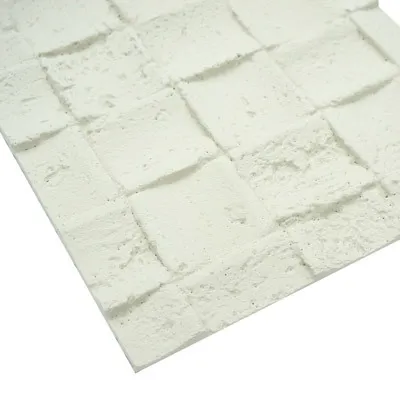
Our eyes perceive gradients as natural transitions – think twilight horizons or ocean depths. An 8-step palette hits the neurological sweet spot:
The lightest travertine with creamy ivory tones. Use it where first light hits – entryways, east walls. Psychological effect: prepares the mind for transition.
Introduces pale gold flecks. Ideal for breakfast nooks or reading corners. Cultural connection: evokes harvest traditions across Mediterranean cultures.
Deep umber with iron oxide traces. Reserved for anchoring elements like hearths or feature walls. Emotional weight: symbolizes stability and legacy.
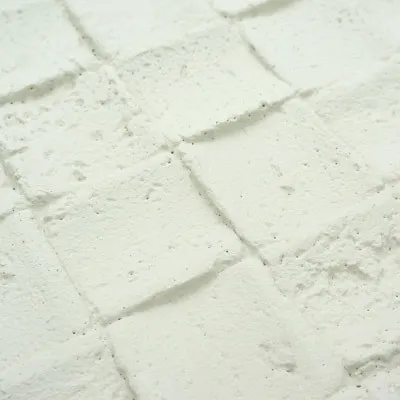
Consider Café Ambre in Barcelona – a converted warehouse that felt industrial and cold. The solution? A travertine focal wall flowing vertically through all 8 gradients. The result:
"It changed how people move through the space," says owner Lucia Moreno. "They don't just walk to tables – they pause, they touch the stone, they breathe differently."
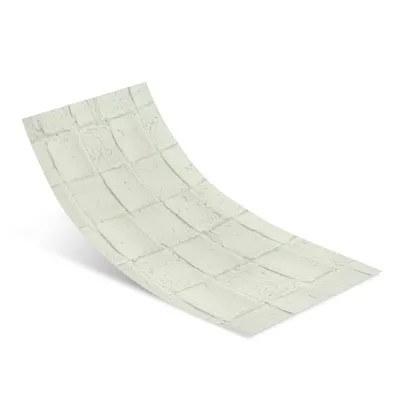
A gradient mosaic lives or dies by installation philosophy:
Travertine’s pores and fissures aren't flaws – they’re narrative. Avoid filling every gap; let some remain as visual pauses.
Transition zones between steps should feel organic. Blend tile batches between gradients to avoid hard lines.
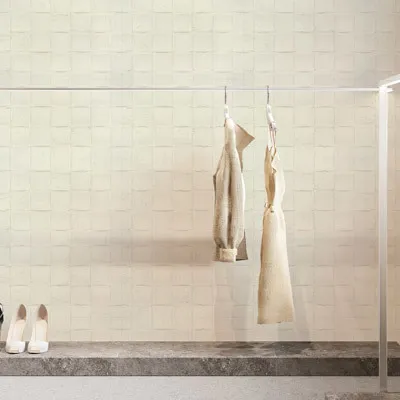
Every civilization has honored stone transitions:
Our 8-step travertine gradient isn't innovation – it’s remembering.
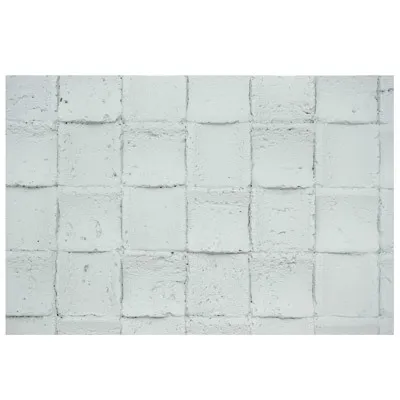
Beyond beauty lies responsibility. Compared to synthetic alternatives:
| Factor | Travertine | Porcelain |
|---|---|---|
| Carbon footprint (per m²) | 17kg CO₂ | 38kg CO₂ |
| End-of-life recyclability | 100% | 0% |
| Biophilic impact | Direct connection | Simulated |
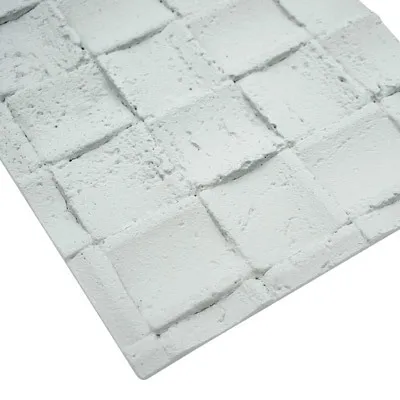
When planning your gradient palette:
In the end, the best travertine gradients don't look designed – they feel discovered.
Recommend Products












