
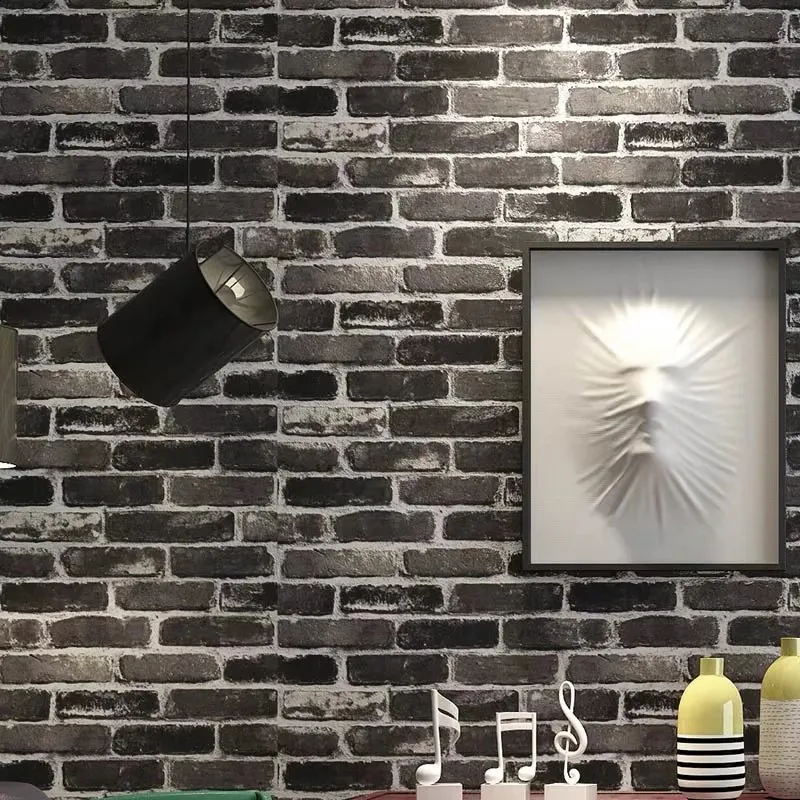
Walk through any contemporary residential neighborhood or commercial district today, and you will notice a striking trend: natural stone textures are everywhere. From feature walls in boutique hotels to exterior facades of upscale villas, the demand for stone-inspired surfaces has never been stronger. At the heart of this movement lies cultural stone solutions — a category of decorative cladding that replicates the authentic look and feel of quarried stone while offering far greater design flexibility and installation ease.
Unlike traditional masonry, cultural stone panels are lightweight, modular, and available in an astonishing range of textures and color palettes. Architects and designers increasingly turn to these products because they deliver the timeless aesthetic of natural stone without the structural burden, labor cost, or environmental impact associated with quarrying and transporting heavy slabs.
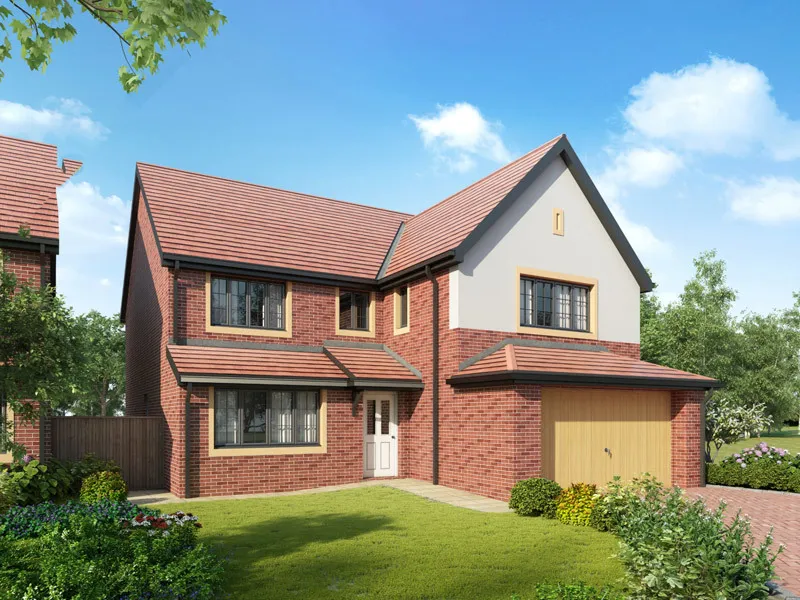
Cultural stone — sometimes referred to as manufactured stone veneer or artificial stone cladding — is a lightweight decorative material engineered to mimic the appearance of natural stone. It is typically composed of cement, lightweight aggregates, and iron oxide pigments that are cast in molds taken from real stone surfaces. The result is a product that captures every ridge, crevice, and subtle color variation of genuine rock formations.
These panels are suitable for both interior feature walls and full exterior facades. They can be applied to concrete, wood framing, steel studs, and even existing painted surfaces with the right preparation. As a decorative profiles supplier with deep industry experience, COLORIA GROUP offers a wide selection of cultural stone styles that cater to diverse architectural languages — from rustic Mediterranean villas to sleek modern commercial buildings.
Lightweight Construction, Heavyweight Impact
One of the most compelling advantages of cultural stone is its weight. Traditional natural stone can weigh 35-50 pounds per square foot, requiring reinforced foundations and specialized installation crews. Cultural stone panels typically weigh less than 15 pounds per square foot, which means they can be installed on a wider range of substrates without structural modifications. This lightweight nature also translates to lower shipping costs and faster installation timelines.
Design Versatility Across Styles
Whether your project calls for the rugged texture of stacked ledgestone, the smooth elegance of travertine, or the dramatic character of slate, cultural stone offers unmatched variety. The COLORIA GROUP catalog includes styles such as Muretto Stone, Epoch Stone, Century Stone, and Masonry Stone — each with its own distinct personality. This breadth allows designers to maintain a cohesive aesthetic language across an entire project while using different stone textures to define distinct zones.
Cost-Effective Without Compromising Quality
Natural stone is expensive — not just in material cost, but in the labor, transport, and structural reinforcement it demands. Cultural stone panels typically cost 30-50% less than their natural counterparts while delivering a nearly identical visual result. For large-scale developments, this cost differential can translate into significant budget savings that can be redirected toward other high-impact design elements.
Durability and Low Maintenance
Modern cultural stone products are engineered to withstand harsh weather conditions, UV exposure, and temperature fluctuations. They resist cracking, fading, and moisture penetration when properly installed and sealed. Unlike natural stone, which may require periodic repointing of mortar joints, cultural stone panels maintain their appearance with minimal upkeep — an occasional rinse with water is usually sufficient.
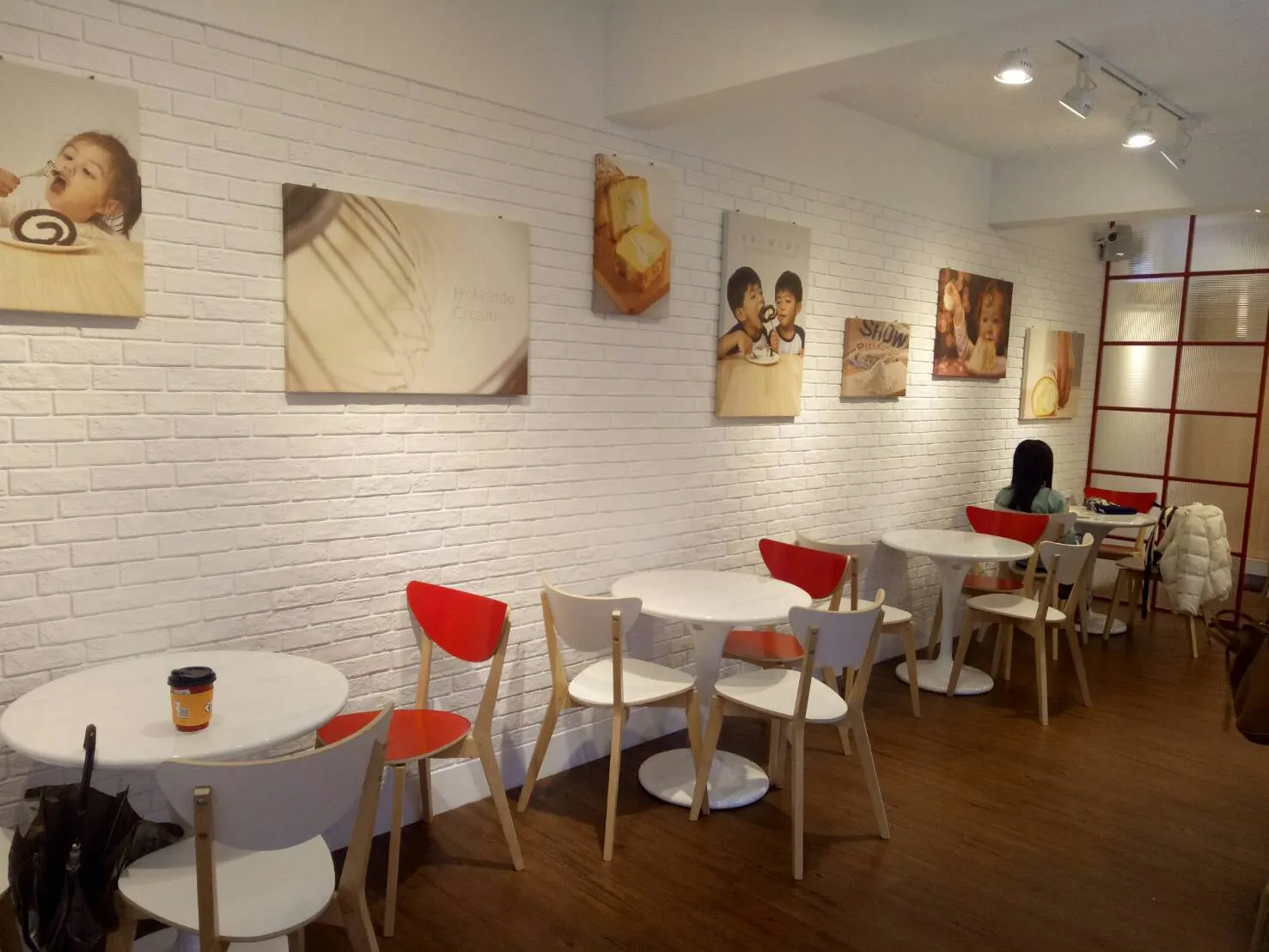
Inside the home or commercial space, cultural stone transforms ordinary walls into captivating focal points. A living room accent wall clad in warm-toned ledgestone instantly adds depth and texture, creating a cozy yet sophisticated atmosphere. In hospitality settings, lobby feature walls in dramatic dark slate or textured travertine make a powerful first impression on guests.
Fireplace surrounds are another popular application. The natural, earthy quality of stone complements the warmth of a fire, making the hearth feel like the true heart of the home. In kitchens and bathrooms, cultural stone backsplashes and vanity walls introduce an organic element that balances the clean lines of modern cabinetry and fixtures. As a leading walls solutions provider, COLORIA GROUP supports designers in selecting the right stone texture and color for each interior application.
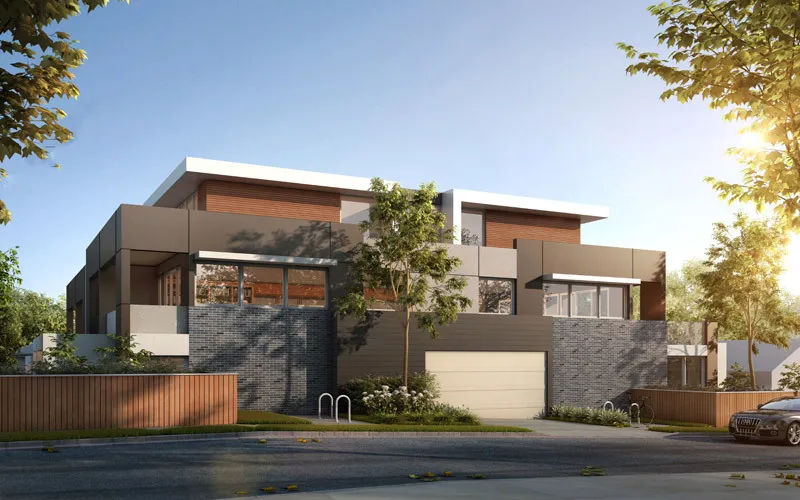
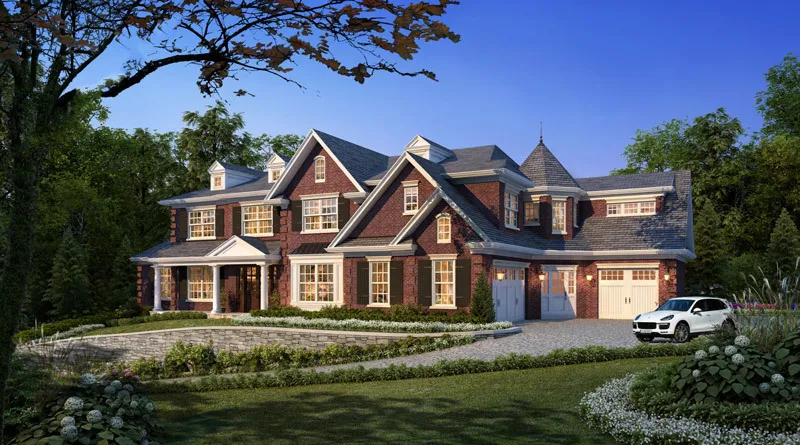
The exterior of a building is its handshake with the world — and cultural stone ensures that handshake is firm and memorable. Full facade cladding, wainscoting, column wraps, and entryway accents are all common exterior uses. Stone-clad exteriors convey permanence, quality, and attention to detail — qualities that resonate with homebuyers, hotel guests, and commercial tenants alike.
Cultural stone is particularly effective when combined with other exterior decoration materials such as stucco, wood siding, or metal panels. This mixed-material approach is a hallmark of contemporary architecture, where contrasting textures create visual interest and break up large wall expanses. For projects in coastal or high-humidity regions, selecting the right stone product with appropriate weather-resistant properties is essential — and working with an experienced supplier ensures those specifications are met.
Pro Tip: When planning an exterior cultural stone installation, always consider the local climate. In regions with freeze-thaw cycles, ensure proper drainage and use a high-quality sealant to prevent moisture from penetrating behind the panels. A knowledgeable supplier can guide you through these regional considerations.
Selecting the right stone style is critical to achieving your design vision. Here are some of the most sought-after cultural stone profiles and where they shine:
Ledgestone / Stacked Stone — Characterized by thin, horizontal layers, this style is perfect for modern and transitional interiors. It works beautifully on fireplace surrounds, kitchen islands, and bathroom accent walls. The clean lines of stacked stone complement minimalist design schemes.
Fieldstone — With its irregular shapes and varied sizes, fieldstone evokes a rustic, countryside feel. It is ideal for exterior facades on cottage-style homes, garden walls, and outdoor kitchen installations. The organic randomness of fieldstone creates a sense of history and permanence.
Travertine — Known for its subtle, elegant appearance with natural pitting and veining, travertine cultural stone brings a touch of Mediterranean luxury to any space. It is frequently used in high-end residential projects, hotel lobbies, and spa environments.
Slate — Dark, dramatic, and sophisticated, slate-inspired cultural stone makes a bold statement. It works exceptionally well in contemporary commercial settings, modern home exteriors, and as an accent material in mixed-facade designs.
Not all cultural stone products are created equal. The quality of molds, pigment consistency, and manufacturing precision varies significantly across suppliers. When evaluating potential partners, consider the following:
Even the finest cultural stone will underperform if installed incorrectly. The substrate must be clean, stable, and properly prepared. A weather-resistant barrier should be applied behind exterior installations, and a metal lath with a scratch coat of mortar provides the ideal bonding surface. Panels should be back-buttered before placement to ensure full adhesion, and joints should be tooled consistently for a professional finish.
While DIY installation is possible for small interior projects, large-scale or exterior applications are best left to experienced professionals. The investment in proper installation pays dividends in longevity and appearance. A reputable supplier will be able to recommend qualified installers or provide detailed installation documentation for your contractor.
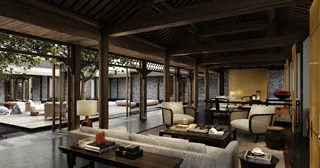
Sustainability is no longer a nice-to-have in construction — it is a requirement. Cultural stone supports green building goals in several ways. Because it is manufactured using lightweight aggregates and cement, it avoids the environmental toll of quarrying, cutting, and transporting heavy natural stone. Many manufacturers also incorporate recycled content into their products. Additionally, the lightweight nature of cultural stone reduces the structural load on buildings, which can translate to material savings in foundations and framing — a secondary sustainability benefit that is often overlooked.
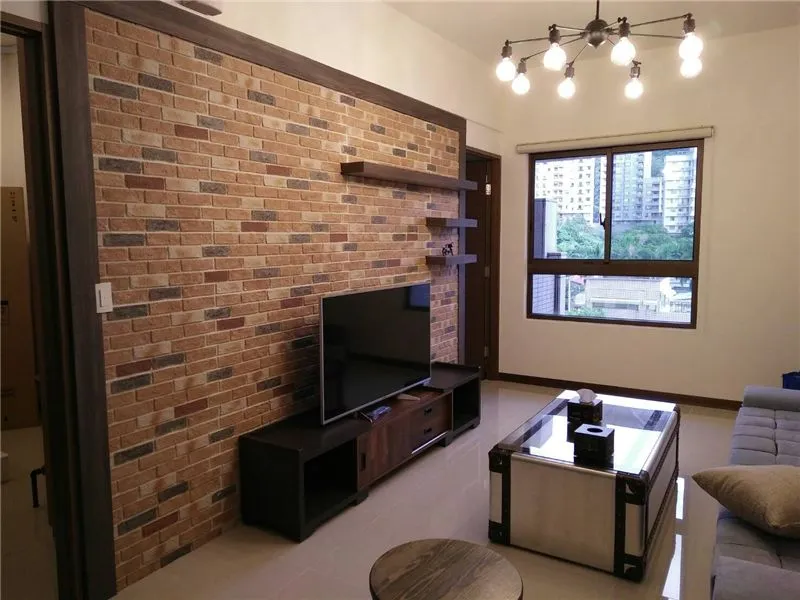
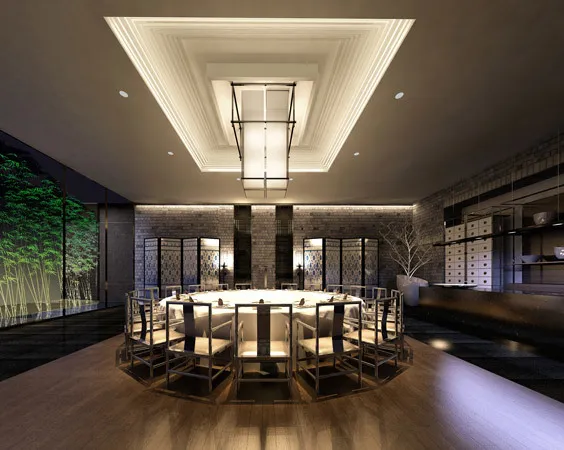
Commercial developers and hospitality groups are among the biggest adopters of cultural stone. In hotel design, stone-clad reception desks and lobby walls create an immediate sense of luxury and place. Restaurant interiors use cultural stone to define zones — a stone-clad bar area, for example, visually separates the social space from the dining area. Retail stores leverage stone accent walls to create Instagram-worthy backdrops that drive foot traffic and social media engagement.
For office buildings, cultural stone on exterior columns or entry portals signals solidity and corporate prestige. It is a material that communicates "built to last" — a message that resonates with tenants, clients, and investors alike.
Ready to Explore Cultural Stone for Your Next Project?
COLORIA GROUP offers a comprehensive selection of cultural stone panels, backed by decades of experience in the building materials industry. From product selection and sampling to logistics coordination and technical support, our team is equipped to support projects of any scale — residential, commercial, or hospitality. Browse our full range of cultural stone solutions or contact us to discuss your specific requirements. Let us help you bring your design vision to life with materials that combine beauty, durability, and value.
Recommend Products












