
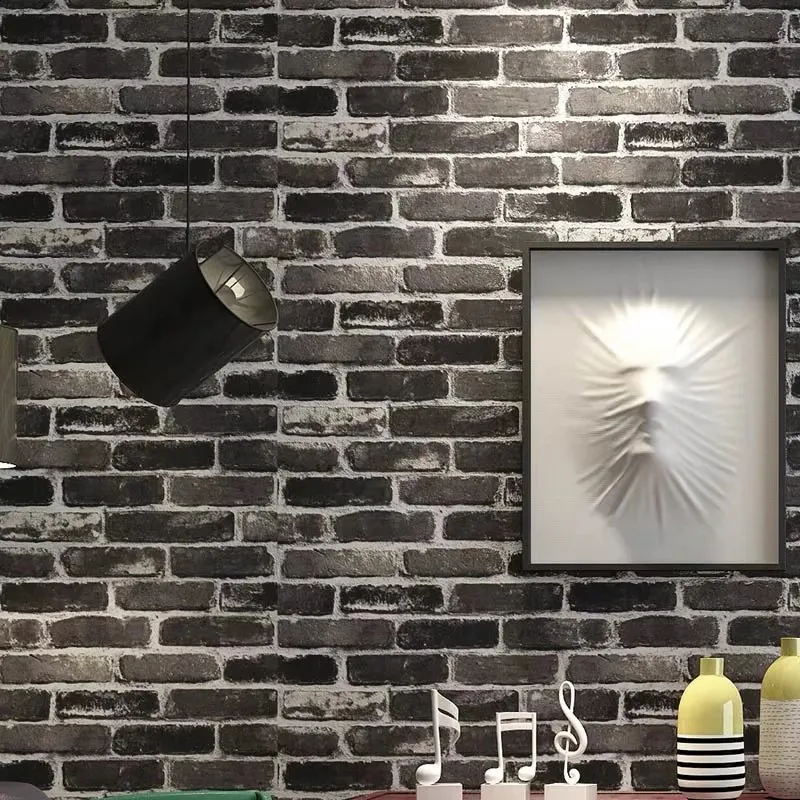
Discover how cultural stone brings timeless character to both interior and exterior walls — from rustic cottages to modern commercial lobbies.
When you walk into a space that features a cultural stone accent wall, you feel it immediately. There is a warmth, a sense of permanence, and a subtle connection to the earth that painted drywall or smooth tiles simply cannot replicate. For architects, interior designers, and property developers, cultural stone solutions have become one of the most sought-after design elements in both residential and commercial projects. Whether you are renovating a hotel lobby, building a custom home, or refreshing a restaurant’s facade, cultural stone delivers a look that is both rugged and refined.
Cultural stone — also referred to as cultured stone or manufactured stone veneer — is a lightweight, cast-stone product designed to replicate the look and texture of natural quarried stone. Unlike full-thickness natural stone, cultural stone is thinner and significantly lighter, which makes it easier to transport, handle, and install without requiring structural reinforcement. Despite its reduced weight, it retains the authentic surface texture, color variation, and visual depth of real stone.
The material is typically made from a blend of Portland cement, lightweight aggregates, and iron oxide pigments. This composition gives it excellent durability while keeping production costs reasonable. Modern manufacturing techniques have advanced to the point where even seasoned professionals sometimes struggle to tell the difference between a well-made cultural stone and the real thing.
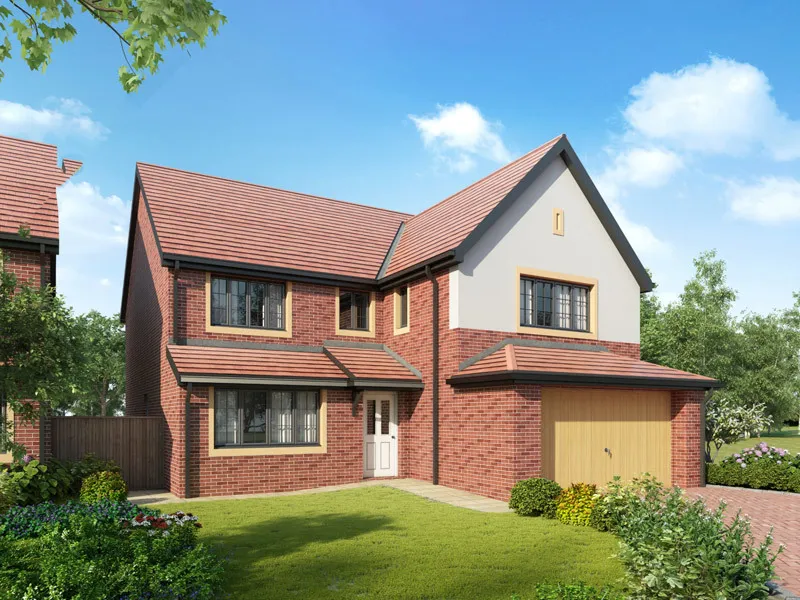
The appeal of cultural stone goes far beyond its visual charm. Here are several practical reasons why it continues to gain traction in the building industry:
Lightweight and Easy to Install. Traditional natural stone can weigh upwards of 15 to 25 pounds per square foot. Cultural stone, by comparison, typically weighs between 6 and 12 pounds per square foot. This means no additional footings or structural supports are needed, and installation can often be completed by a general contractor without specialized masonry skills.
Cost-Effective. Cultural stone generally costs 30% to 50% less than natural quarried stone when you factor in material, shipping, and labor. For large-scale commercial projects, those savings add up quickly.
Versatile Application. Cultural stone can be applied to virtually any sound substrate — concrete, plywood, drywall, metal lath, or even existing brick. It works equally well indoors as a fireplace surround, kitchen backsplash, or feature wall, and outdoors as a facade cladding, garden wall, or entryway accent.
Consistent Quality. Natural stone varies wildly from quarry to quarry and even from batch to batch. Cultural stone is manufactured under controlled conditions, ensuring that every panel matches the color and texture you expect.
Design Flexibility. With dozens of styles available — from ledge stone and fieldstone to river rock and stacked stone — there is a cultural stone option for every architectural style, from rustic farmhouse to sleek contemporary.
Did You Know? Cultural stone is classified as a green building material. It is made from abundant natural raw materials, produces no harmful emissions, and contributes to energy-efficient building envelopes when used as part of an insulated wall system. Many cultural stone products also contain recycled content, further reducing their environmental footprint.
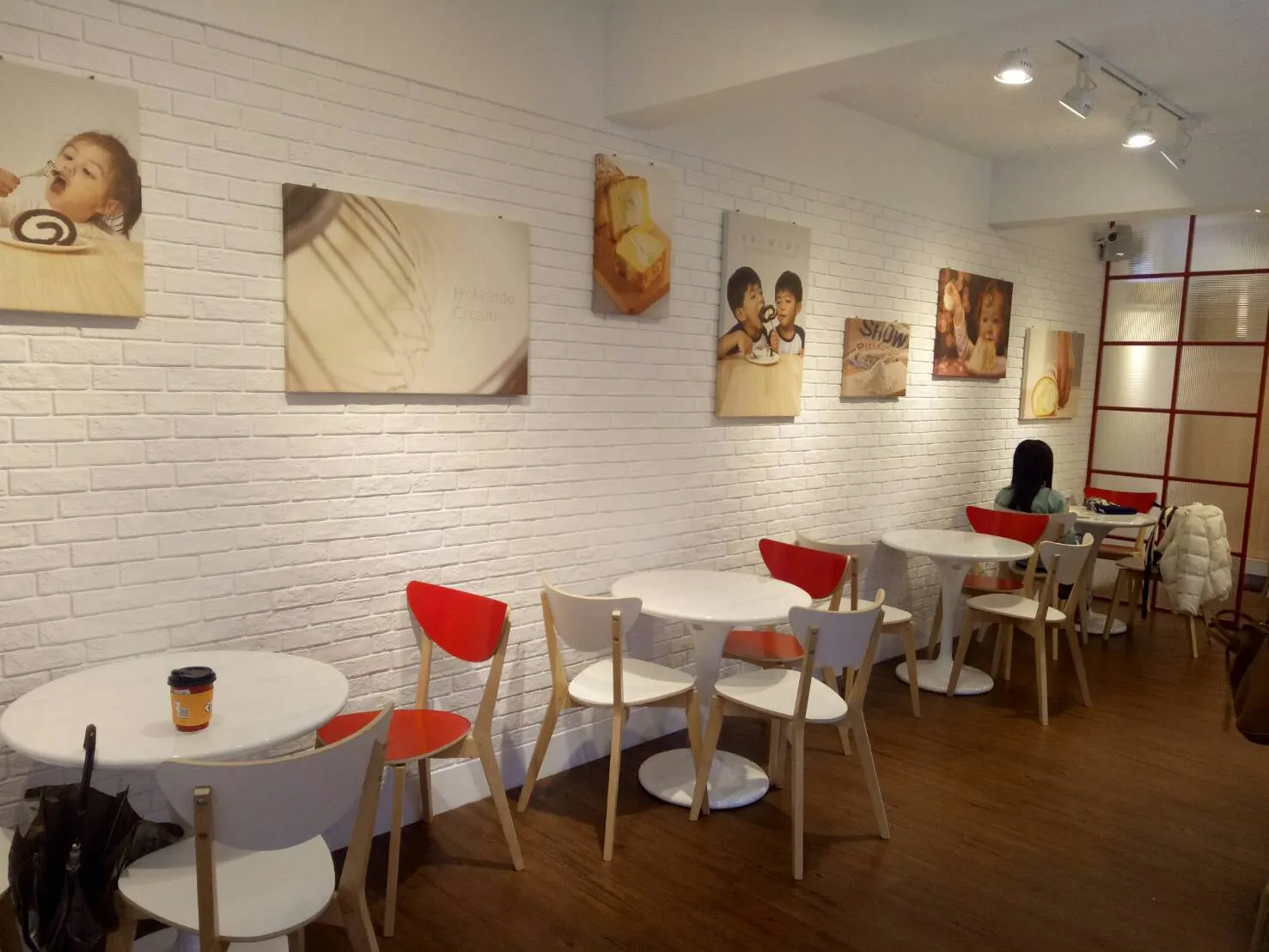
Inside the home or commercial space, cultural stone transforms ordinary rooms into memorable experiences. A living room fireplace clad in stacked ledge stone becomes the natural focal point of the entire floor plan. In a restaurant, a cultural stone feature wall behind the bar adds texture and authenticity that resonates with diners seeking a warm, grounded atmosphere. Hotel lobbies use cultural stone to create a sense of arrival — a visual cue that says this place is built to last.
Beyond accent walls, cultural stone is increasingly used in bathrooms as a shower surround or vanity backsplash, in kitchens as a range hood cladding, and in home offices to create a sophisticated backdrop for video calls. The material pairs beautifully with wood, metal, glass, and concrete, making it a versatile choice for mixed-material interiors.
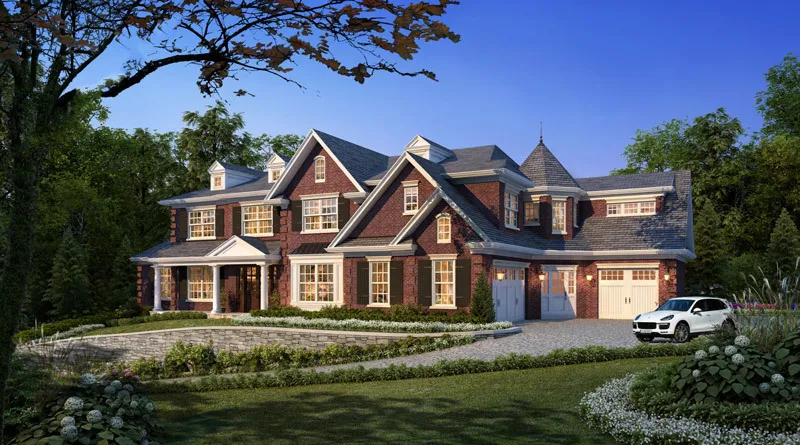
On the exterior, exterior decoration materials like cultural stone elevate a building’s street presence instantly. Whether used as a full facade cladding, a wainscot accent, or column wraps, cultural stone gives the structure a sense of weight and permanence. It stands up well to weather, resists fading under UV exposure, and requires minimal maintenance beyond occasional cleaning.
For commercial buildings — retail storefronts, office parks, hospitality venues — cultural stone facades communicate quality and longevity. In residential settings, a cultural stone exterior sets the home apart from neighbors clad in generic siding, potentially increasing property value and buyer interest.
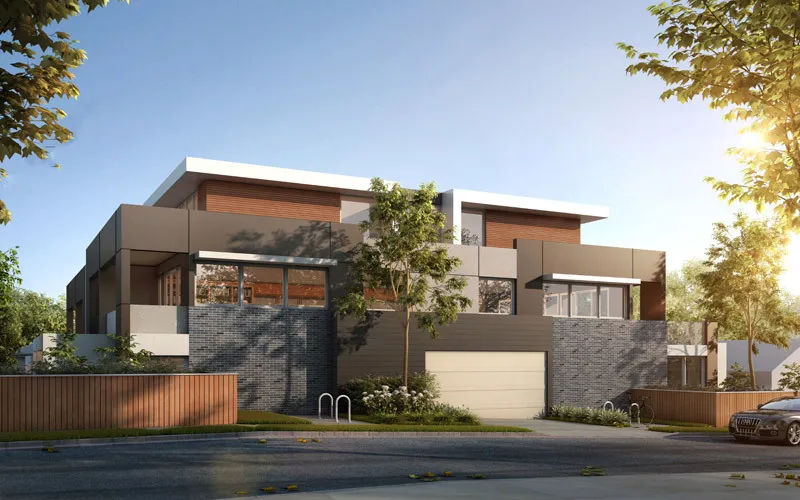
Cultural stone is not a standalone product — it works best as part of a coordinated decorative scheme. When sourcing from a decorative profiles supplier that offers a complete range of complementary materials, you can ensure that your wall cladding, flooring, ceiling treatments, and trim profiles all work together harmoniously. A well-integrated design avoids the patchwork look that can result from sourcing materials from multiple disconnected vendors.
For example, a project that pairs cultural stone wall panels with matching wood-grain decorative profiles, coordinated flooring, and complementary lighting creates a cohesive aesthetic that feels intentional and polished. This is where working with a comprehensive supplier becomes a genuine advantage.
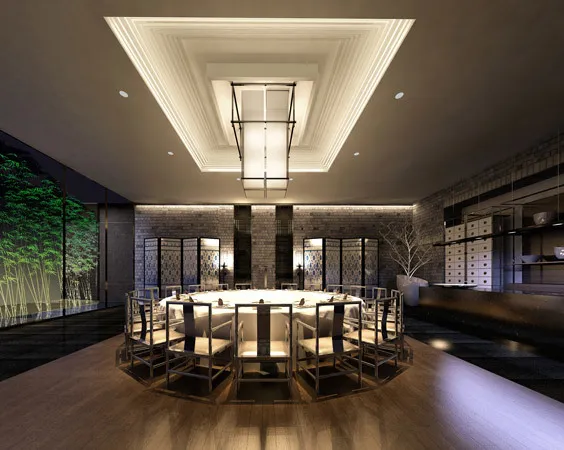
When evaluating cultural stone products, pay attention to the following factors:
Color Consistency. Request samples from multiple production batches to verify that the color remains consistent. Natural variation is desirable, but extreme swings between batches can ruin a project’s visual flow.
Edge Detail. Examine how the stone edges are finished. Clean, crisp edges make installation easier and produce a more professional final appearance.
Thickness Tolerance. Consistent thickness across panels ensures that the installed surface sits flat and even. Variations of more than 2-3 millimeters can create visible lippage.
Packaging and Shipping. Cultural stone is durable but can chip if poorly packed. Look for suppliers who use reinforced cartons with adequate internal cushioning — especially important for international shipments.
Supplier Range. A supplier that also offers related products — flooring, doors, windows, lighting, sanitary ware — can save you significant time and logistics coordination, particularly for large-scale projects.
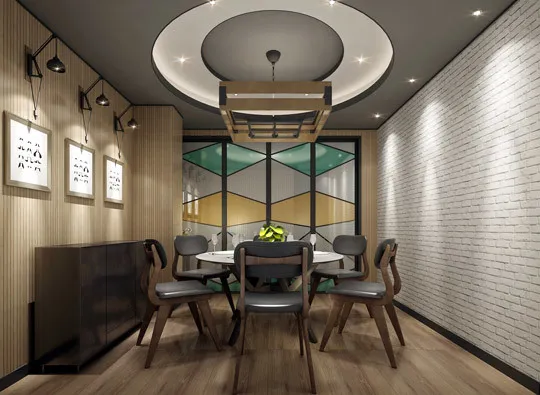
While cultural stone is easier to install than natural stone, a few best practices ensure a flawless result. Always start with a clean, dry substrate. Apply a weather-resistant barrier for exterior installations. Use a polymer-modified thin-set mortar rather than standard mortar for better adhesion. Lay out the panels dry before mortaring to plan the pattern and minimize awkward cuts. And always seal the installed stone with a penetrating sealer to protect against moisture and staining — especially important in bathroom and exterior applications.
Ready to Bring Cultural Stone Into Your Next Project?
At COLORIA GROUP, we supply a comprehensive selection of cultural stone products alongside a full range of building materials — from flooring and ceilings to windows, doors, sanitary fixtures, lighting, and custom furniture. As a one-stop solution provider headquartered in Foshan, China, with an agent in Saudi Arabia, we serve residential and commercial clients worldwide. Whether you need a single accent wall or a complete multi-category package for a large-scale development, we are here to help. Contact us today to discuss your project requirements, request samples, or receive a customized quotation. Together we build the future.
Recommend Products












