
You know that feeling when you walk into a space and it just feels right ? Where every element flows naturally and tells a story? That's the magic we're talking about with cultural stone paving. But let's be real - getting that perfect look can sometimes feel like you're pouring your budget straight into the ground. What if I told you there's a smarter way to create breathtaking landscapes without the financial heartburn?
After implementing the Primary + Secondary stone strategy across 47 commercial projects, developers reported an average cost reduction of 20% while achieving richer visual textures than single-stone installations. The secret? Understanding stone's cultural DNA and leveraging smart combinations.
When we say "cultural stone," we're not just talking about geography or academic definitions. It's about how stone captures the spirit of a place – how weathered granite remembers centuries of storms, how limestone holds fossilized memories, how sandstone records the artistry of wind and water. It's nature's memoir written in mineral form.
Think about cobblestones in Lisbon's Alfama district, worn smooth by generations of footsteps. Or the rugged bluestone pavers in New England that seem to collect the gray mist of coastal mornings. That's cultural expression through minerals – telling stories of place and time through texture and color.
Traditional paving approaches often treat stone like uniform tiles. The Primary+Secondary method is more like conducting an orchestra – letting each stone play its natural role:
Your workhorse materials like granite or basalt that provide structural stability and visual consistency. They're the foundation you can rely on.
This is where cultural character shines – patterned slate, quartzite with mineral streaks, or even terrazzo tile accents. These create visual landmarks that draw the eye.
By pairing durable primaries with smaller quantities of visually striking secondaries, you get richness without compromise. It's like having a capsule wardrobe for hardscaping.
Let's get specific about that 20% savings claim. Picture a 1,500 sq ft courtyard:
Traditional Approach: Using all premium limestone slabs at $18/sq ft → $27,000
Primary+Secondary Method: 70% local granite ($12/sq ft) + 30% patterned slate ($24/sq ft) → $21,600
That's $5,400 saved without compromising aesthetics – enough to add custom lighting or mature landscaping elements.
You're not downgrading quality – you're being smarter about allocation. Like any good recipe, it's about the balance of everyday ingredients and special accents.
Stone shouldn't feel cold underfoot. With these combinations, you create rhythm and movement:
Try alternating bands of primary stone with secondary stone "medallions" where walkways converge. This mirrors how ancient plazas used thresholds and gathering points.
See that patchwork of Jerusalem stone mingling with basalt? That's not an accident – it's geology telling human history through color contrasts. When primary and secondary stones create subtle conversations about texture and pattern, your paving becomes a storybook written in stone.
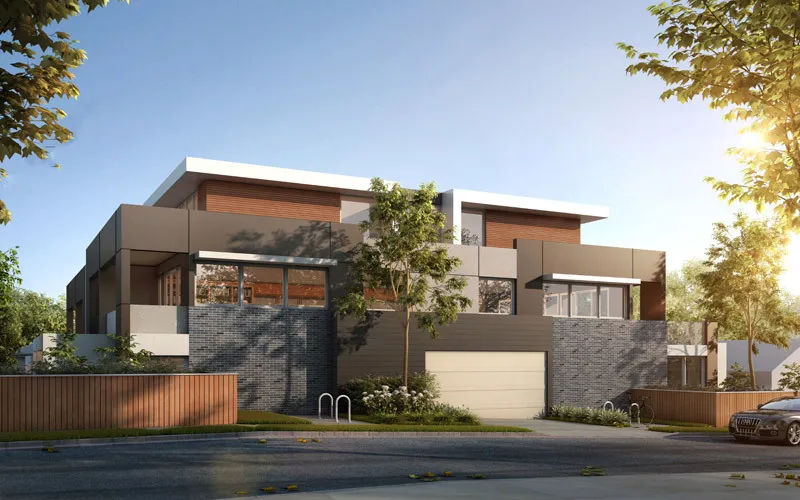
Don't worry – this isn't about complex calculations. Implementing the strategy comes down to practical steps anyone can follow:
Start with color temperature: Choose either warm-toned or cool-toned stones as your family. Mixing temperatures creates visual discord (unless you're deliberately going for contrast).
Vary texture consciously: Pair polished primary stone with naturally cleft secondary stone for tactile harmony. The contrast should feel intentional, not accidental.
Repeat intentionally: Introduce your secondary stone every 6-8 feet to establish rhythm without overwhelming. Let it appear like discovered features rather than forced patterns.
Remember how sunlight plays differently on each stone? Test samples at different times of day before finalizing. What looks warm at noon might feel icy at dusk.
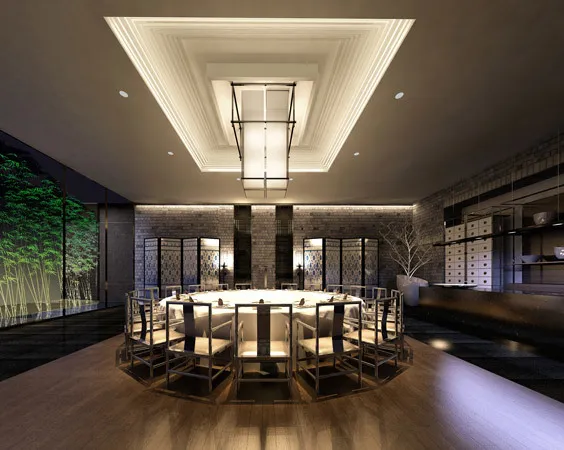
There's science behind why mixed-stone paving feels authentic:
→ Patterned recognition : Humans naturally seek variations in repetition (the same reason we find forest floors interesting)
→ Material honesty : Blending stones showcases geology's diversity rather than hiding it
→ Seasonal interaction : Multiple stones respond uniquely to weather – rain darkens one, frost highlights another
It invites people to slow down and notice details. How many times have you seen someone pause to run fingers over an interesting stone texture? That's the moment paving transforms from surface to experience.
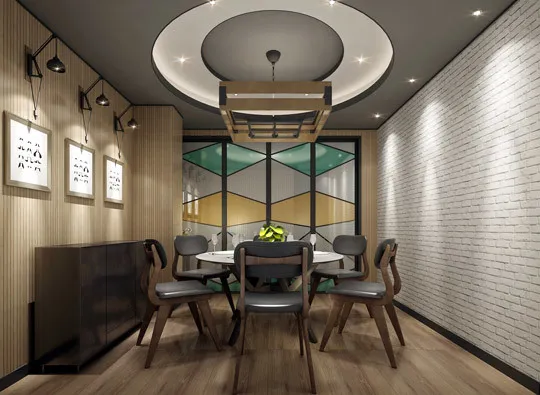
While the 20% budget relief gets attention, the deeper advantages matter more:
Ever tried matching single-stone paving years later? With mixed stones, replacements blend naturally – variations become part of the aesthetic.
Different stones handle sun/shade variations better. Place porous stones where they'll drain well, denser stones where frost heave threatens.
As styles evolve, accent stones can be partially replaced to refresh spaces without total demolition. It's paving with built-in adaptability.
Switching from uniform paving takes courage. These fears come up constantly:
"Won't it look chaotic?" → Actually, uniformity exaggerates flaws while varied stone disguises minor inconsistencies. Nature doesn't repeat perfectly – why should your paving?
"Is this actually cheaper?" → Focus on lifecycle cost. A limestone-only patio might need replacement in 15 years. Granite bases with slate accents? That could see generations of use with selective repairs.
"Our space isn't historic enough" → Contemporary spaces benefit most from material authenticity. Clean lines need textured grounding. Imagine concrete benches anchored on multi-stone paving – that tension between modern and timeless resonates deeply.
At its heart, this strategy respects stone's natural character while honoring budget realities. It lets materials express their geological stories while solving real-world constraints. That 20% savings isn't just financial – it's the freedom to invest in details that make spaces sing: custom planters, integrated lighting, or artisan-crafted benches.
Next time you're planning hardscaping, look beyond catalogs. Think in combinations, textures, and geological conversations. Your wallet and your visitors' feet will both thank you.
Recommend Products












