


Where Function Meets Artistic Expression in Modern Living Spaces
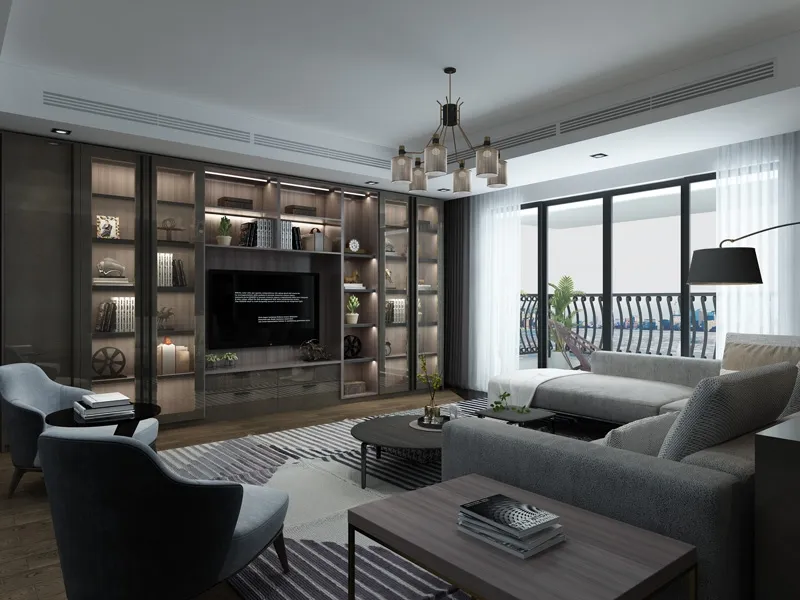
Remember the old days? That bulky TV cabinet squatting in your living room like an awkward guest? Today's designs have transformed these functional pieces into sculptural statements. We're witnessing a quiet rebellion against boring rectangles, where TV cabinets evolve into conversation starters . Whether it's a floating asymmetrical unit or a modular ecosystem that adapts to your lifestyle, creativity is shattering the predictable forms that once defined this essential furniture piece.
It's no longer about hiding technology but celebrating it. Think about how smartphones became fashion accessories – that's happening right now with TV units. Designers aren't just asking "How can we support this screen?" They're asking, "How can this piece express personality?" That's the seismic shift in perspective driving today's most exciting designs.
Let's trace the journey. In the 90s, cabinets were oversized fortresses designed to swallow massive CRTs. When flat screens appeared, we stripped everything down – suddenly minimalist rectangles dominated. But that minimalist phase? It was just transitional. Now we've entered the Expression Era , where form follows emotion as much as function.
The real catalysts? Technology's miniaturization and our changing relationship with screens. TVs aren't mysterious boxes anymore; they're sophisticated art frames when turned off. That transformation liberated designers. Suddenly you'd spot a TV perched on something that looked more like a modern art sculpture than traditional furniture. That boldness – that freedom – it changed everything.
Remember the first time you saw a floating console with integrated lighting? That wasn't just practical – it felt like magic. That emotional jolt is what today's best designs deliver constantly. They don't just hold your screen; they elevate your entire viewing experience into something special.
Materials are where conventions truly shatter. Forget predictable particleboard wrapped in wood veneer. Today's cutting-edge cabinets use responsibly-sourced walnut with its gorgeous natural grain patterns, or steel frameworks that look industrial yet refined. Designers pair these with textural surprises: think back-painted glass surfaces that glow softly or concrete composites with an urban edge.
Concrete Composites
Industrial meets residential in these surprisingly warm, textural surfaces that challenge perceptions of "cold" materials.
Mixed Media Marvels
Brass accents on walnut, steel frames supporting travertine slabs – combinations that feel curated, not accidental.
Acoustic Fabrics
Textiles integrated into cabinets to absorb sound – combining audio engineering with sophisticated design sensibilities.
Space constraints breed innovation. When urban apartments became premium real estate, designers responded with mind-bending solutions. Wall-mounted units that appear to float? Corner configurations maximizing awkward angles? They turned limitations into creative fuel.
Consider rotating mechanisms – entire units that swivel to face different areas of a room. This isn't just practical; it fundamentally changes how we use living spaces. Dinner parties where the TV discreetly rotates toward the dining area then back? That’s design enhancing life’s rhythm.
The most compelling innovations feel inevitable in hindsight. Of course we’d develop units with hidden cooling systems! Naturally we’d integrate wireless charging surfaces seamlessly! And of course, we'd evolve storage solutions for gaming consoles that keep cords completely invisible. The best designs solve problems you didn’t realize you had until you experienced the solution.
This is where the magic really happens – creating a custom tv cabinet that feels like an extension of you. I recently worked with a client who transformed her console into a personal museum – glass sections displaying geological specimens collected from decades of travel. Below, perfectly hidden storage for media gear. That's the duality: deeply personal expression coexisting with flawless functionality.
Another client turned his cabinet into an ecosystem – hydroponic herbs growing beneath his gaming setup. The warmth of plants against the tech somehow made both more alive. These aren't just furniture pieces; they're expressions of identity wrapped around technology hubs.
Where's this going? Three bold predictions: First, modular systems becoming standardized, letting owners morph cabinets as needs change. Second, true tech integration – imagine console surfaces displaying contextual ambient information when the TV's off. Third? Sustainable materials becoming non-negotiable, not just marketing bullet points.
The most exciting future? Designing for flexible spaces. As homes transform from static environments to adaptable ecosystems, TV consoles will evolve accordingly. Units that reconfigure room layouts? That's tomorrow's frontier.
Ultimately, today's most groundbreaking TV cabinets offer something deeper than utility. They provide moments of delight when you walk into a room. They spark conversations without demanding attention. They transform practical necessities into curated expressions of creativity. This design renaissance turns furniture into functional art – pieces that serve us while reflecting what moves us.










