
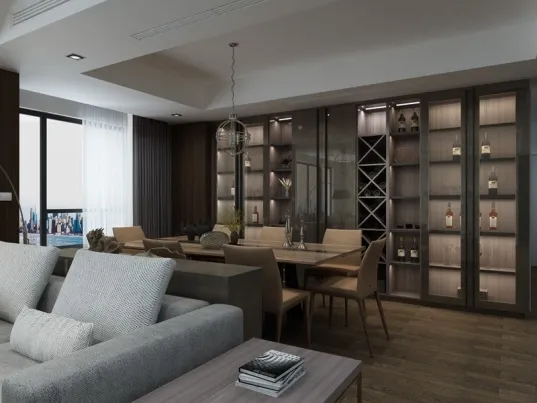
Ever open a bottle of wine you've been saving for a special occasion, only to find it tastes... flat? Like it lost its soul somewhere between the cellar and your glass? You're not alone. When wine gets too warm, too cold, too dry, or too damp, it stops aging gracefully and starts deteriorating. The difference between a wine that sings and one that whimpers often comes down to one thing: its environment.
Today, we're diving deep into creating a sanctuary for your bottles—a wine cabinet that's more than just storage; it's a climate-controlled haven where your collection evolves with intention. Forget generic fridges and garage shelves. We're talking about precision craftsmanship that cradles every bottle at the perfect temperature and humidity until that moment you decide it's time to pour.
Picture your favorite wine. Now imagine it as a living, breathing thing (because chemically, it is). When stored at 55°F (13°C) with 60-70% humidity, chemical reactions unfold like choreographed dancers—tannins soften gracefully, acids integrate smoothly, and flavors layer with depth.
Now imagine that same bottle in your kitchen fridge or on a shelf. Temperatures spike and crash with the seasons. Humidity plays hide-and-seek. Corks dry out, shrink, and let air seep in. Heat speeds up aging like reckless time travel, turning nuanced Cabernets into oxidized shadows of themselves. Ever tasted "cooked" wine? That's bottles baking without protection.
Compressor vs. Thermoelectric : Compressor systems (like quiet, powerful sentinels) handle large collections and hot rooms. Thermoelectric units (whisper-quiet zen masters) suit smaller spaces but struggle in warm climates.
Single vs. Dual Zones : Storing reds and whites together? Single zone works if you'll drink most bottles within a year. For long-term aging with diverse varieties? Dual zones let Bordeaux rest at 55°F while Champagne chills at 45°F simultaneously.
Low humidity shrinks corks, allowing 1 mg of oxygen per year to creep in—enough to ruin decades of aging. Too much? Mold festivals on labels. The magic happens at 60-70% RH. Advanced cabinets use:
Constant vibrations agitate sediments—they collide with compounds that create complexity. Premium cabinets use:
Avoid kitchens (heat!), garages (temp swings), or sunrooms (UV bombardment). Basements often win—but insulate if near heating ducts. For open spaces, use thermoelectric units near seating areas.
| Material | Pros | Cons |
|---|---|---|
| Tropical Hardwood (Mahogany) | Natural humidity stabilization, timeless aesthetics | Costly; needs occasional sealing |
| Stainless Steel | Modern look, easy cleaning | Shows fingerprints/condensation |
| Tempered Glass | Showcase potential, humidity transparency | Requires UV-filter coating |
Lighting : Use LED strips with 400nm wavelength (damages neither wine nor labels).
Airflow : Stagnant air = mold. Look for whisper fans circulating air gently over bottles.
Sealing : Double-gasket doors maintain humidity like a rainforest's consistent embrace.
For built-in wine cabinet installations in walls: Add thermal breaks between cabinet and adjacent spaces.
The day you open a perfectly aged bottle—the liquid flowing like silk across your palate, notes unfolding with precision—every decision made about temperature zones, humidity levels, and vibration control sings through the glass. This isn’t storage. It’s curation. It’s granting your collection the gift of evolving deliberately instead of decaying accidentally. And that first sip? It tastes like time well spent.
If you're considering an upgrade or starting fresh, focus less on capacity specs and more on how closely the cabinet mirrors the stillness and stability of European stone cellars. Because when your Grand Cru reaches its peak decades from now? You’ll taste the difference precision makes.
Recommend Products












