
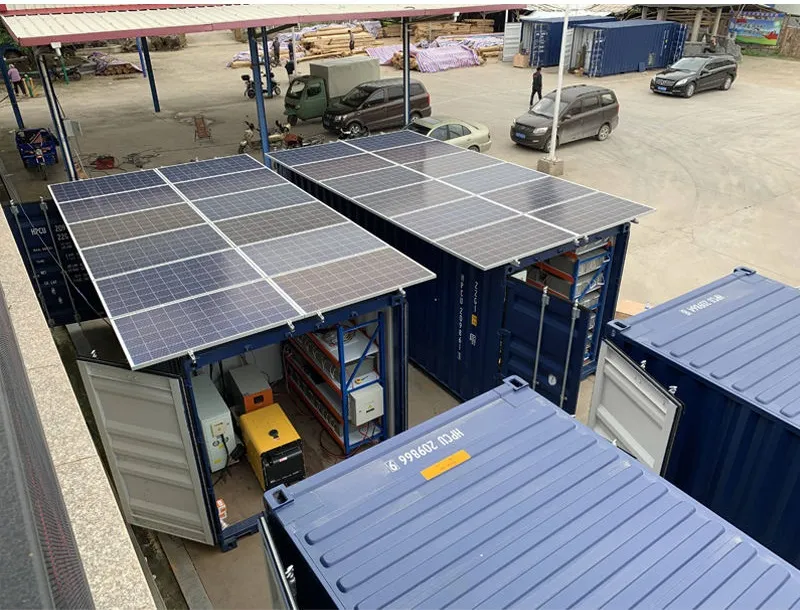
It's downright astonishing how solar panel costs have plummeted over the past decade. Seriously, when was the last time any technology saw this kind of jaw-dropping price drop? Back in 2010, rooftop solar installations would've set you back nearly $8 per watt. Fast forward to today, and we're looking at just around $2.70 per watt - that's less than the cost of many takeout dinners per watt of clean energy!
What's driving this revolution? It's not just one magic bullet, but a perfect storm of manufacturing innovations, supply chain optimizations, and economies of scale that are making solar power increasingly accessible to ordinary households and businesses alike. Kinda like how flat-screen TVs went from luxury items to staple household goods, only with way more environmental benefits.
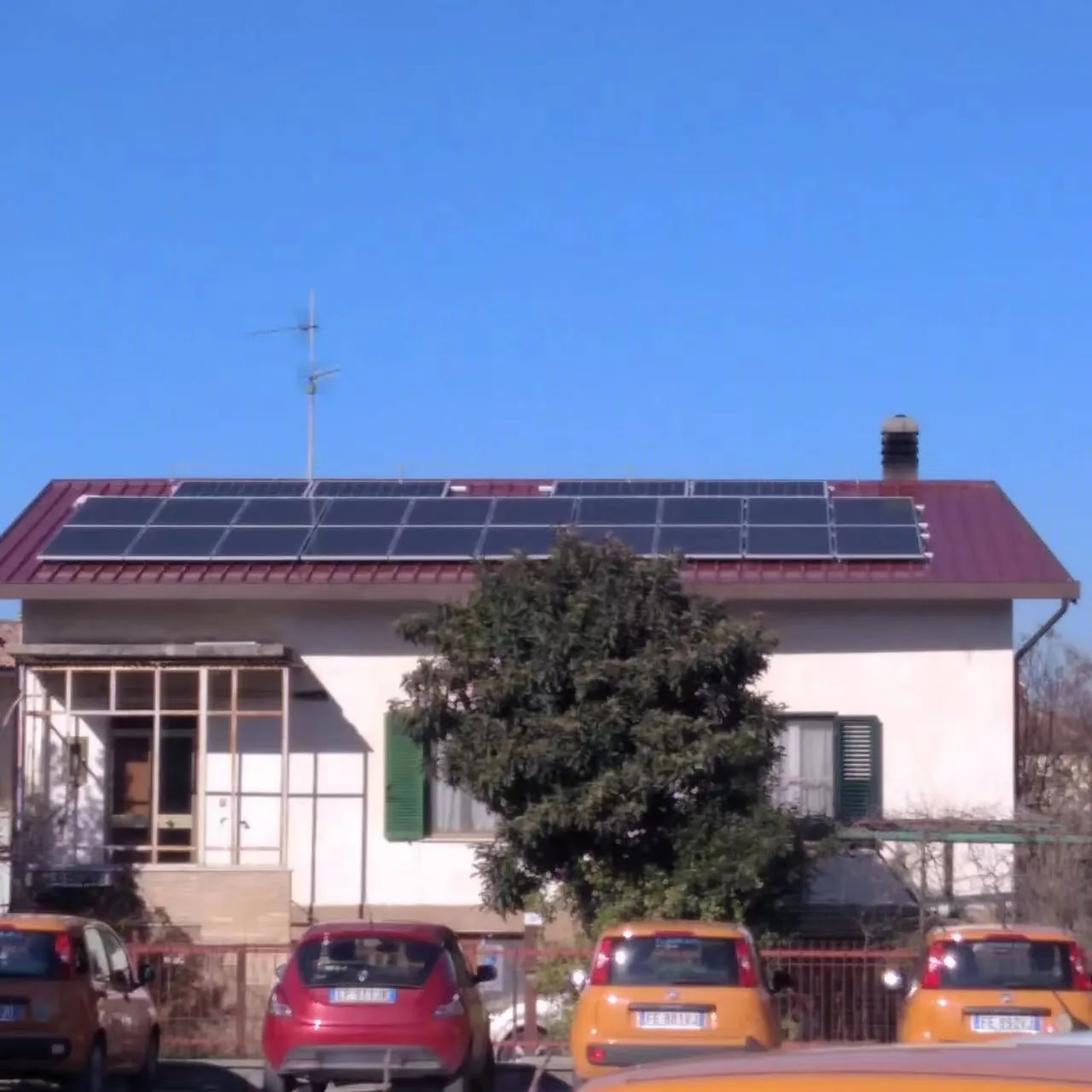
The heart of the cost revolution lies in materials science. Manufacturers are getting incredibly clever with how they squeeze every ounce of efficiency from materials:
Ten years ago, we wasted about half the silicon in the wafer-cutting process. Now? Advanced diamond wire saws have slashed kerf loss to under 15%. That's like finding you suddenly need 40% less flour to bake the same cake.
Companies like First Solar are producing cadmium telluride panels with material layers thinner than plastic wrap - just 3% of what silicon panels require. And get this - their factories can churn out a new panel every 2.5 seconds !
The new kid on the block, perovskite solar cells, can be solution-processed like printing newspapers. Oxford PV recently demonstrated 29.5% efficiency in commercial-sized perovskite-silicon tandem cells - that's nearly double what standard panels offered just 15 years ago.
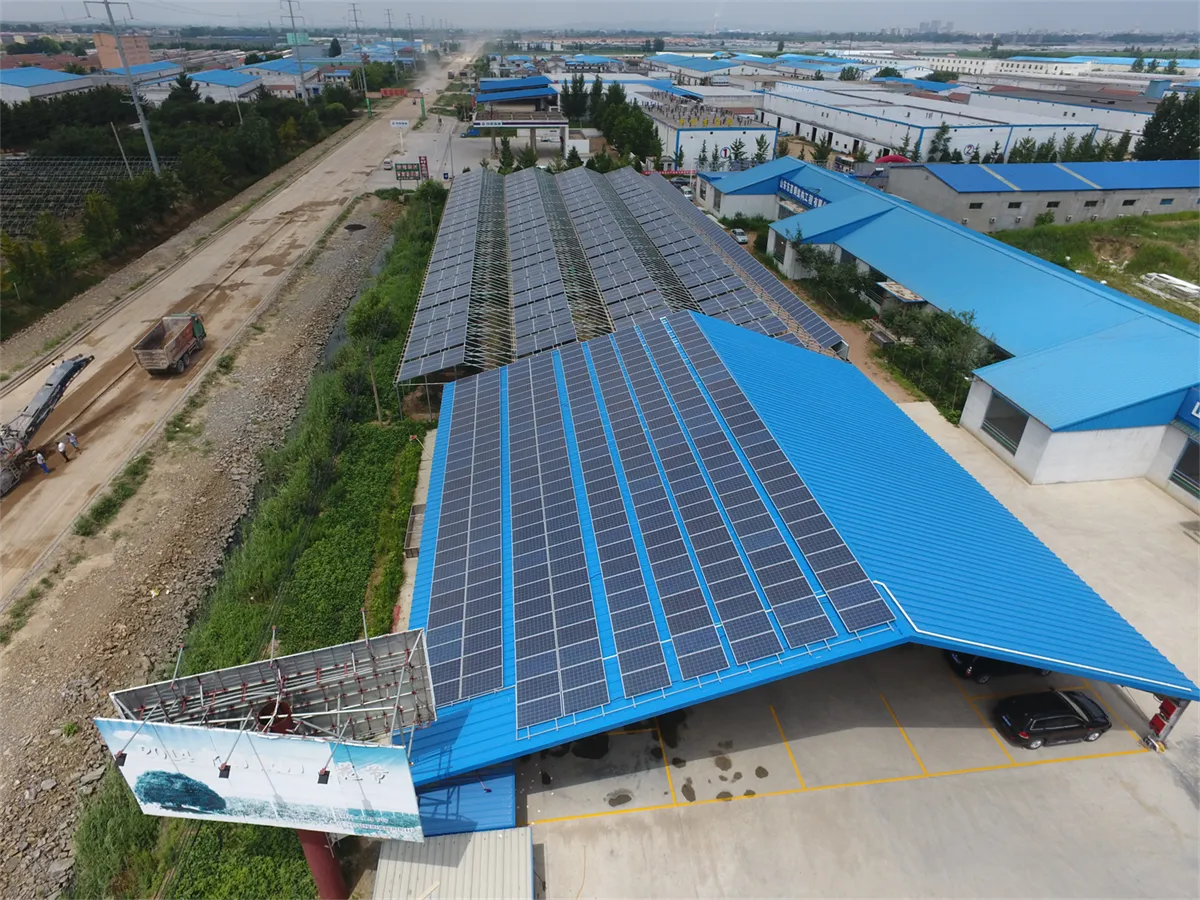
Modern solar manufacturing facilities would make Henry Ford's jaw drop. Today's plants are fully automated marvels where robotic arms, AI vision systems, and machine learning algorithms work in concert:
The automation extends beyond production too. Smart inventory systems precisely time material deliveries to minimize warehouse needs, while predictive maintenance algorithms anticipate machine failures before they happen. One facility manager in Arizona told me: "It's like our factory has a sixth sense about when a conveyor bearing might wear out. We fix it Saturday night instead of shutting down Monday morning."
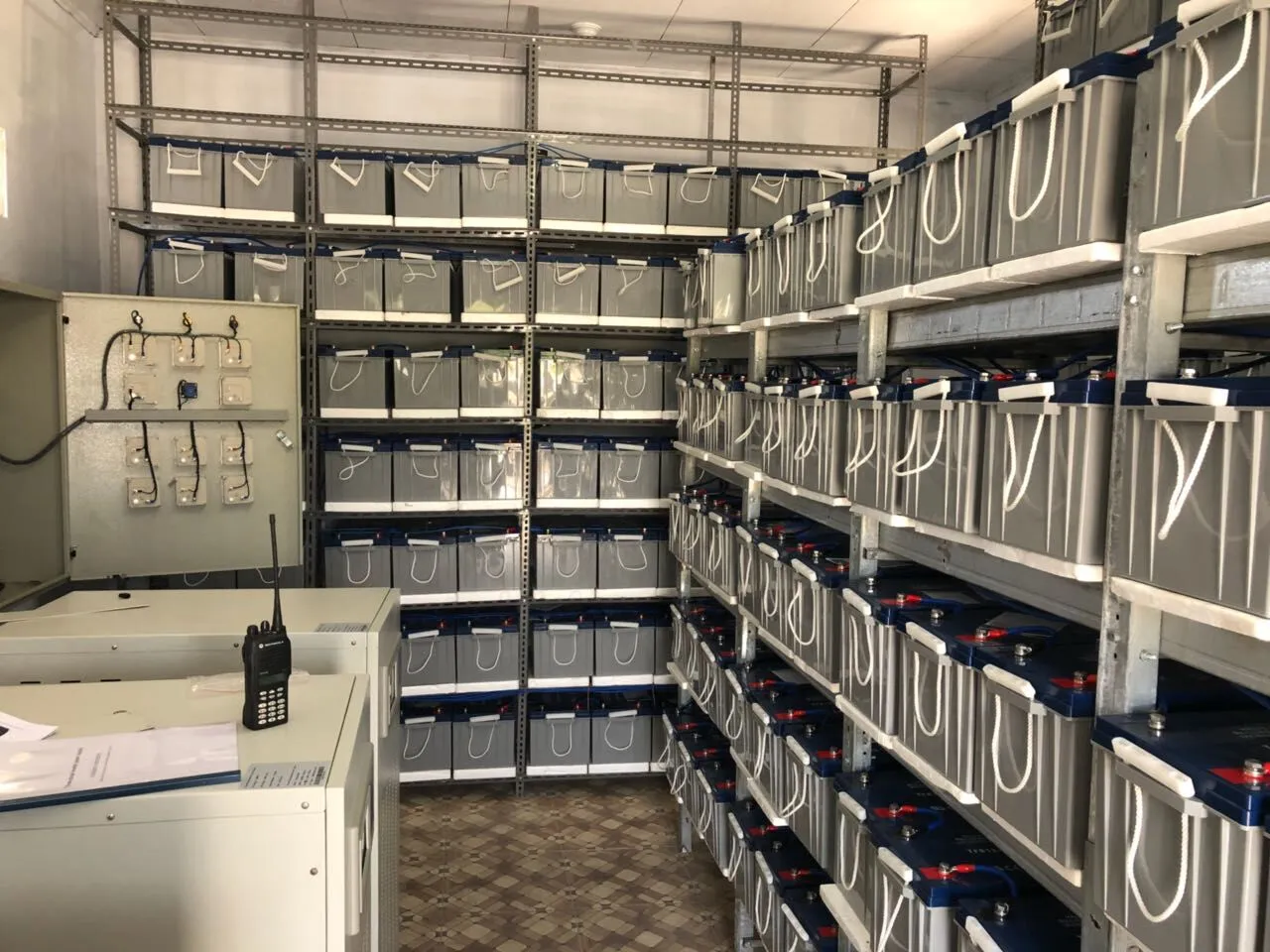
Here's where things get really impressive - how massive production volumes create powerful economic gravity:
The largest solar factories now produce over 10 GW annually - enough to power more than 1.5 million homes from a single facility. That's up from average 100 MW factories just 15 years ago.
Solar installation crews have become amazingly efficient too. Where a 5kW residential install took 3 days in 2010, today's teams routinely complete them in under 6 hours using prefab mounting systems and plug-and-play components.
This scaling effect creates a virtuous cycle where higher volumes → lower costs → broader adoption → higher volumes. Consider Orange County, Florida where residential solar installations grew by 400% between 2015-2022, with average system costs dropping 35% during that same period.
The cost-cutting magic isn't limited to panels themselves. Balance-of-system components are getting smarter and cheaper too:
"It's like we're watching Moore's Law play out in renewable energy," remarks Dr. Elena Rodriguez, an energy researcher at MIT. "Each generation brings more performance for less money, and the pace keeps accelerating."
The solar industry isn't resting on its laurels. Several cutting-edge developments promise continued cost reductions:
For homeowners, this evolution means solar is no longer just an environmental choice - it's increasingly the economical choice. With innovative financing options like solar leases and PPAs, many families are finding they can immediately save 10-30% on their electricity bills with zero upfront costs.
Commercial operations are benefiting enormously too. Walmart recently completed a massive solar rollout across 348 stores that will save them $25 million annually in energy costs - enough to offset the entire project cost in just 4-5 years.
Recommend Products












