
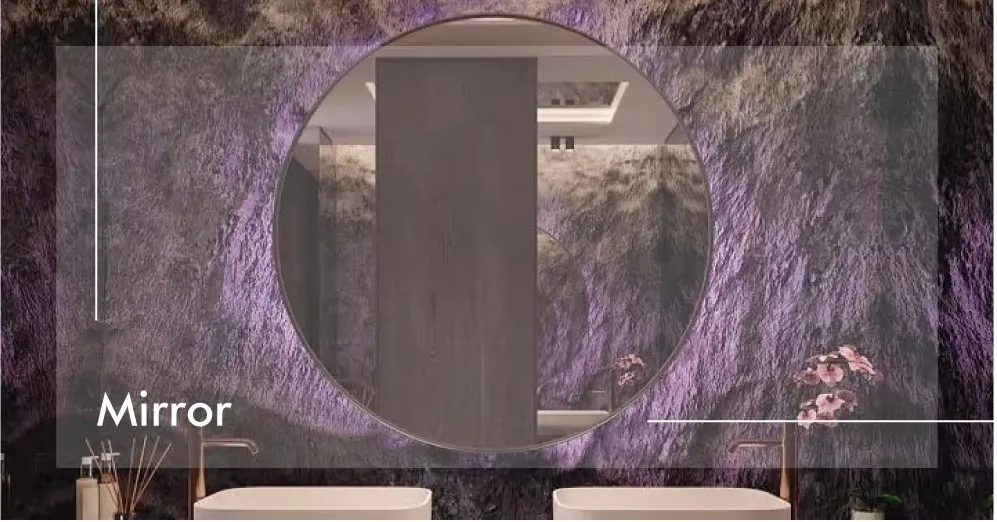
Hey there! If you're designing a space or renovating your home, you've probably faced the mirror dilemma. Should you grab that ready-made standard mirror from the store? Or is investing in a custom piece worth the extra cost? Let's break it down together – no jargon, just real talk.
Mirrors do so much more than reflect our faces. They open up small rooms, bounce light around dark corners, and turn bland walls into focal points. But here's the kicker: choosing between standard and custom isn't just about aesthetics. Your wallet takes the biggest hit.
By the time we're done, you'll have a crystal-clear roadmap. We'll explore costs, hidden expenses, long-term value, and when to pick which option.
Initial Cost: Like grabbing coffee at your favorite spot – it's fast and predictable. A 36x48 inch standard mirror runs $80-$250. Big box stores keep prices competitive.
Hidden Costs: Here's where it gets tricky. Need frame modification? That's $50-$100 extra. Installation varies wildly – DIY might cost nothing, but professional mounting adds $100-$300.
Availability: Walk into any hardware store today, walk out with a mirror. No waiting.
Upfront Investment: Prepare for sticker shock. That same 36x48 size jumps to $300-$800+. Why? Custom cutting, specialized finishing, and artisan labor.
Value-Adds: That cost includes personalized beveling, unusual shapes, or tempered glass for bathrooms. Unlike stock options, you can integrate wall decorative profiles that hide edges smoothly.
Timeline: Lead times of 2-6 weeks are common. Patience pays off in uniqueness.
Let's talk lifetime value – where customization truly shines. Standard mirrors last 5-10 years before silvering deteriorates. Properly crafted custom pieces? 15-25 years minimum.
You manage 12 units. Standard mirrors cost $120 each = $1,440 total. But replace them every 8 years? Over two decades, you'll spend $4,320. Custom tempered mirrors at $450 each = $5,400 upfront. That's $1,080 cheaper long-term.
Your 1920s bathroom has odd angles. A standard mirror gaps 2.5 inches on each side, creating dust traps and visual clutter. Custom fits perfectly, eliminating cleaning headaches while boosting property value.
This isn't about good vs bad – it's about fit-for-purpose. Like choosing between sneakers and dress shoes.
Budget is under $200
Dealing with irregular spaces
You're renting (can't modify)
Commercial projects requiring durability
Temporary solution needed
Design aesthetics are non-negotiable
Can't decide? Explore these smart compromises:
Ignoring setup costs torpedoes budgets. Consider these real quotes:
"Standard mirror: $150 product + $280 installation = $430 total" - Homeowner in Dallas
"Custom contour mirror: $625 including professional mounting" - Restaurant remodel in Chicago
DIY'ers save big with standard sizes using adhesive strips ($15 kits). But custom usually requires pro installation due to weight and complexity.
Not all glass is created equal. While standard mirrors typically use standard float glass, custom work allows for upgrades:
Thickness: 1/8"
Clarity: 90%
Break Risk: High in impacts
Best For: Dry areas
Thickness: Up to 1/2"
Clarity: 98%+ (low-iron glass)
Safety: Tempered options available
Humidity Resistance: Anti-fog coatings
Bathrooms especially benefit from custom upgrades – tempered glass prevents dangerous shattering.
At the end of the day, your mirror choice boils down to three questions:
Standard mirrors act like rental cars – convenient short-term solutions. Custom mirrors are your forever car – built precisely for your journey. Both belong in your cost-optimization garage; you just need the right keys.
What's your mirror story? Did you go custom and regret it? Find a stock treasure? Share your experiences – let's keep this conversation as reflective as a well-placed mirror.
Recommend Products












