


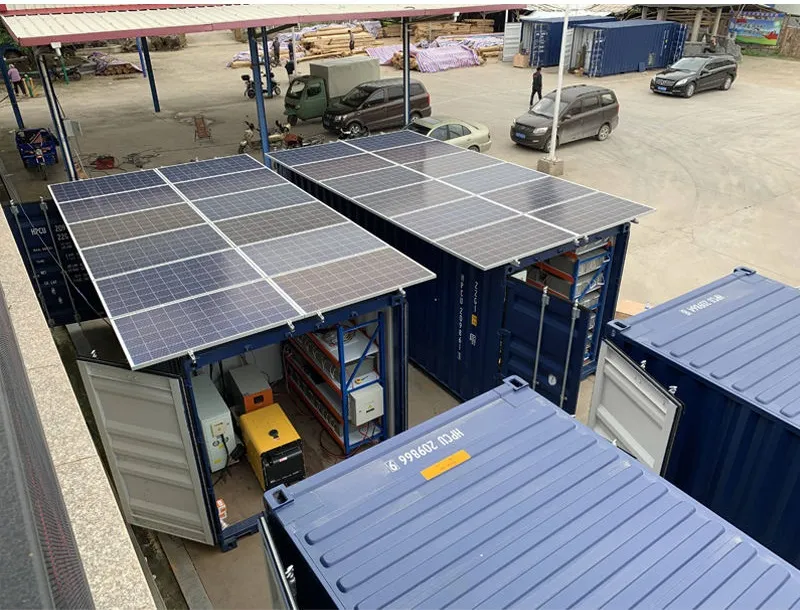
The Reality of Distributed PV Today
Let's cut straight to the point – distributed photovoltaics (PV) aren't just shiny panels on rooftops anymore. They're becoming the heartbeat of modern energy infrastructure. You can feel this shift happening in neighborhoods from Shanghai to San Francisco, where homes and businesses are taking energy matters into their own hands. With subsidies drying up faster than desert streams, the industry's racing toward a critical crossroads: achieve true cost parity or fade into obsolescence.
The real eye-opener? Distributed PV installations in China exploded by a jaw-dropping 359% in one recent year alone. That's not just growth; that's an energy revolution playing out in real time right over our heads. But here's what keeps industry insiders awake at night: Can we maintain this momentum when the financial safety nets disappear?
"The technological heartbeat of distributed PV isn't just beating faster – it's evolving. We're moving beyond basic installations into integrated energy ecosystems that talk back to the grid, understand weather patterns, and anticipate consumer needs."
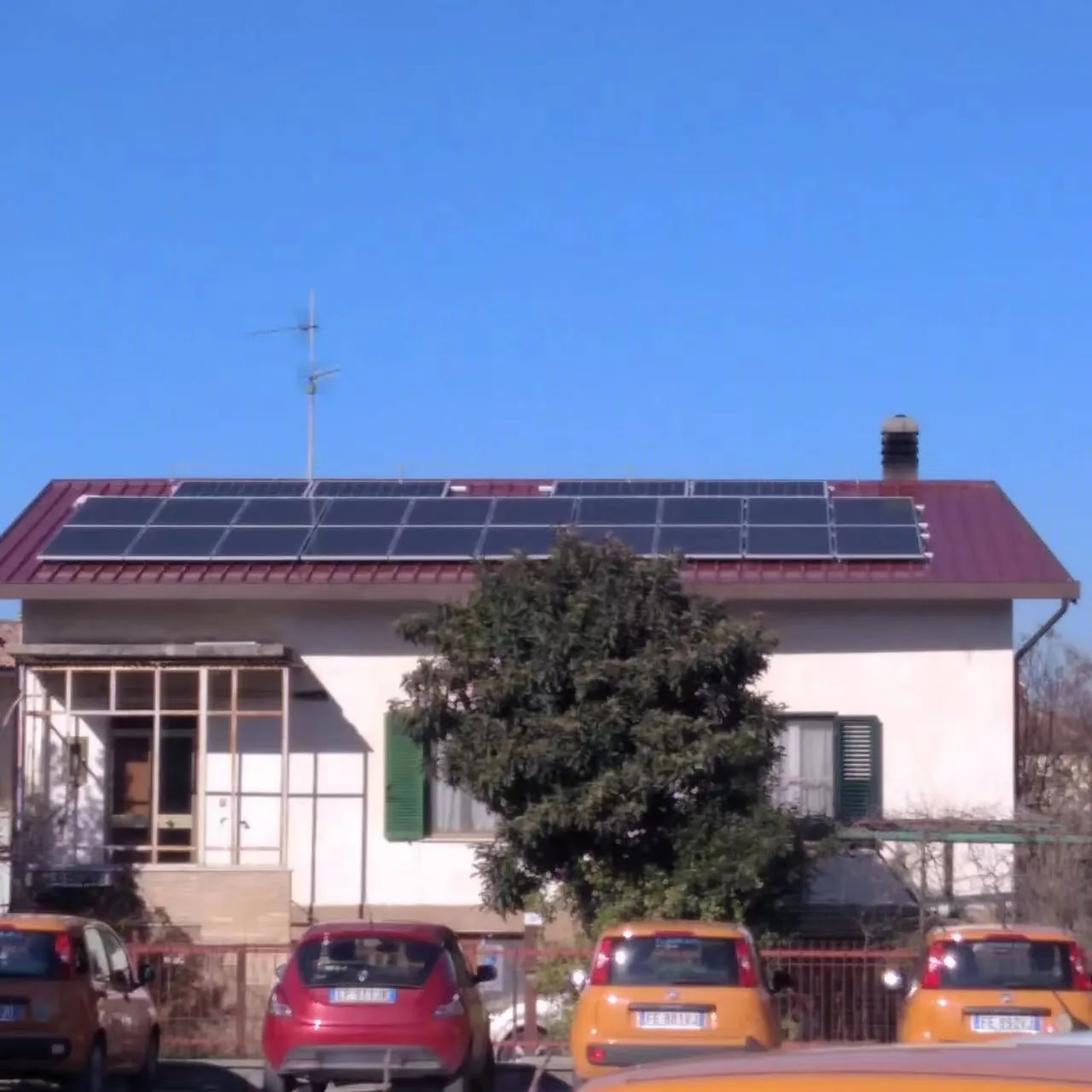
Breaking Down the True Costs
Where Your Money Actually Goes
Solar panels themselves? Surprisingly, they're just 25-30% of your total investment. The real budget-eaters often hide in plain sight:
- Balance-of-system components (inverters, wiring, monitoring tech)
- Soft costs like permits and zoning approvals
- Installation labor, especially for complex rooftops
- Maintenance reserves for the 25-year lifespan
The Hidden Price Tags
You know what really stings? Discovering hidden costs after installation like:
- Roof reinforcement needs mid-project
- Unexpected grid interconnection upgrades
- Seasonal output variations that dent projected savings
- Insurance premium hikes for commercial installations
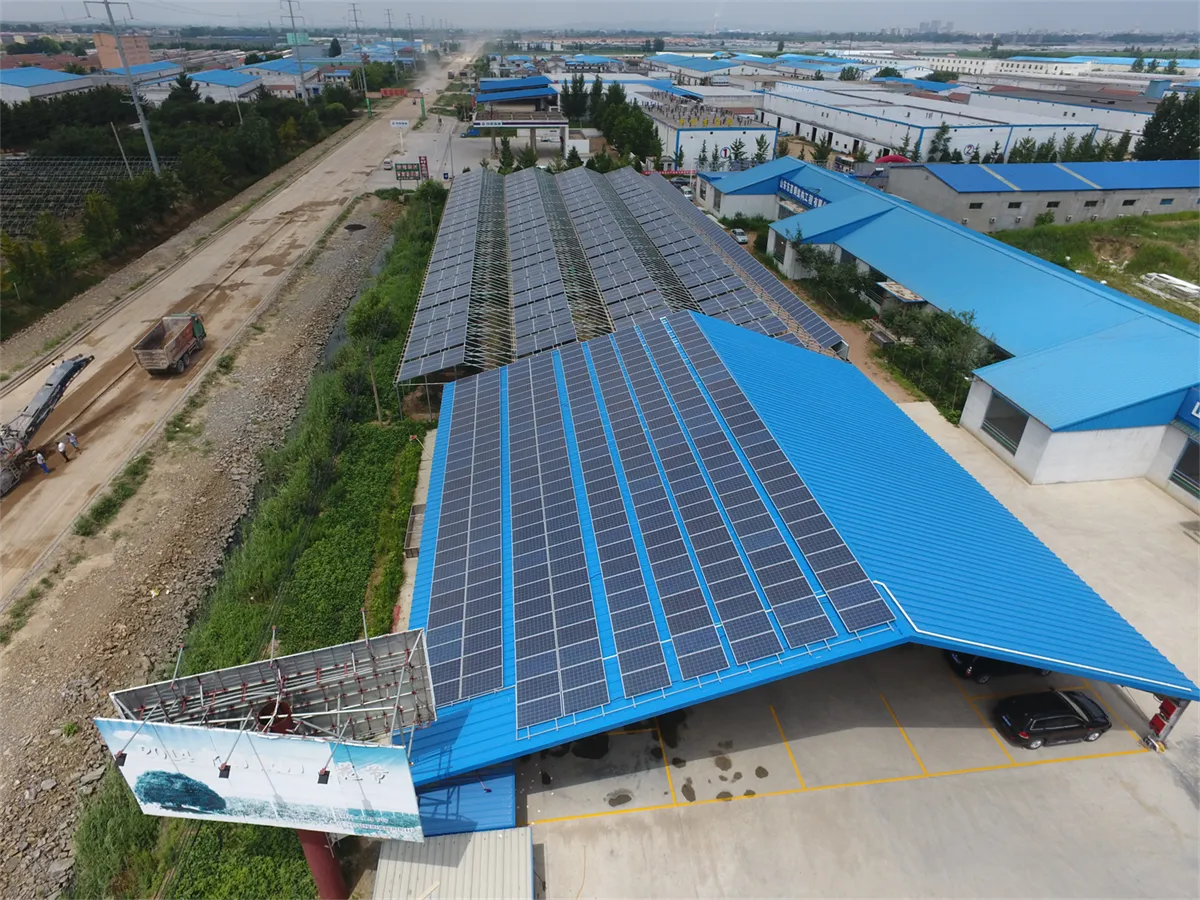
Making the Dollars Work
Optimization Strategy #1: Tech That Pays For Itself
Modern bifacial panels catching sunlight from both sides, AI-driven monitoring systems that spot inefficiencies before they become money pits, and lightweight framing that slices installation time in half – these aren't luxury upgrades anymore. They're becoming the cost-effective backbone of smart installations.
The game-changer? Modular designs that let you start small and expand organically as cash flow allows. No more massive upfront investments that drain resources.
Optimization Strategy #2: Smart Financial Engineering
We're moving beyond basic PPAs (Power Purchase Agreements) into creative territory:
- Shared Savings Models – Where installers earn based on actual energy produced
- Community Co-investment – Pooling neighborhood resources for bulk discounts
- Peak Shaving Arrangements – Prioritizing business consumption during pricey peak hours
These approaches fundamentally change the risk equation. Suddenly, solar panel suppliers aren't just equipment vendors – they become true energy partners invested in your system's actual performance.
When Will Solar Truly Stand Alone?
Based on current trajectories, most experts point to 2025 as the tipping point where distributed PV installations can thrive without subsidies – particularly for commercial applications where electricity rates justify the investment. The magic numbers revealing profitability:
IRR (Internal Rate of Return) now achievable in China's sunniest regions
Cost reduction in components over the past decade alone
The financial picture gets increasingly attractive when installations maximize "spontaneous self-use" – that sweet spot where businesses consume most of their solar generation directly rather than selling it back to utilities at lower rates.
Implementation Roadmap
The Road Ahead
Standing at the edge of this solar revolution, the path forward is coming into focus. Cost optimization isn't about cutting corners – it's about smarter engineering, creative financing, and technology partnerships that extract maximum value from every sunbeam.
As panel efficiency continues its steady climb and smart grid integration becomes the norm rather than the exception, the economics will only improve. The projects that'll thrive are those that view solar not as a static installation, but as a dynamic energy asset that evolves with technology and market conditions.
The solar transformation isn't on its way – it's already unfolding across our rooftops, parking canopies, and commercial campuses. And for the communities, businesses, and nations that master this cost equation? They won't just save money on their energy bills – they'll own a piece of their energy future.










