

In the world of construction, every decision comes down to a delicate balance: creating spaces that inspire while keeping budgets in check. Whether you're a developer breaking ground on a commercial complex, a homeowner renovating a residence, or an architect designing the next iconic building, the materials you choose play a starring role in both the project's success and its long-term financial health. Nowhere is this more true than with architectural façades—the "face" of a building that shapes first impressions, enhances energy efficiency, and protects the structure from the elements. Among the myriad options available today, MCM flexible cladding stone wall panel solutions have emerged as a standout choice for those seeking to maximize both aesthetics and cost-effectiveness. But what exactly makes these panels a smart investment, and how do they stack up when it comes to return on investment (ROI)? Let's dive in.
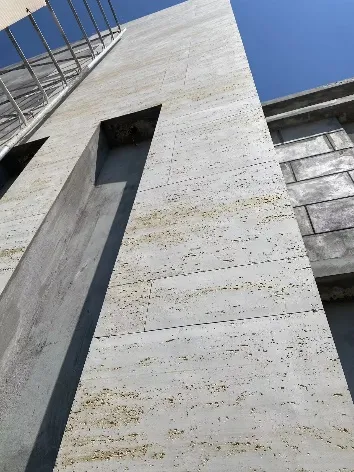
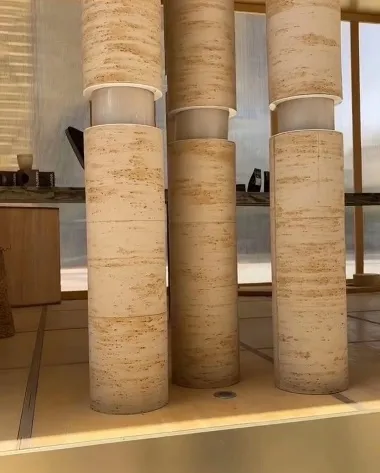
Before we talk numbers, let's get clear on what MCM flexible cladding stone wall panels are—and why they've become a go-to for building material suppliers and architects alike. MCM, short for Metal Composite Material, is a hybrid cladding solution designed to combine the best of durability, flexibility, and visual appeal. Picture a panel constructed from three layers: a lightweight, fire-resistant polyethylene core sandwiched between two thin sheets of aluminum. The outer layer is then engineered to mimic the look and texture of natural stone—think granite, marble, or slate—with precision. This "stone-like" finish is what gives MCM panels their name, but their real magic lies in their flexibility.
Unlike rigid natural stone slabs or heavy brick, MCM panels bend and adapt to the contours of a building's façade. This flexibility makes installation faster, reduces waste (since panels can be cut to exact sizes on-site), and allows for creative architectural designs—from curved walls to intricate patterns—that would be cost-prohibitive with traditional materials. For building material suppliers specializing in architectural façade solutions, MCM panels represent a sweet spot: they offer the luxury look of natural stone without the logistical headaches or high costs.
When we talk about "cost-effectiveness," too many people fixate solely on the initial price tag. But in construction, true cost-effectiveness is a long-term game. It's about the total cost of ownership over the lifespan of a material—factoring in upfront expenses, maintenance, repairs, energy savings, and even resale value. MCM flexible cladding stone wall panel solutions excel in this holistic view of value, and here's why.
Let's start with the obvious: upfront costs. At first glance, MCM panels may seem pricier than budget options like vinyl siding or basic brick. But when compared to premium alternatives like natural stone or solid granite, they're often significantly more affordable. To put this in perspective, let's look at average costs per square meter (sqm) for common cladding materials, based on data from leading commercial building materials suppliers in regions like Saudi Arabia and beyond:
| Cladding Material | Initial Cost (USD/sqm) | Installation Cost (USD/sqm) | Total Initial Investment (USD/sqm) |
|---|---|---|---|
| MCM Flexible Cladding Stone Wall Panels | $80–$120 | $30–$45 | $110–$165 |
| Natural Granite Stone | $180–$250 | $60–$80 | $240–$330 |
| Traditional Brick | $50–$70 | $40–$55 | $90–$125 |
| PU Stone Wall Panels | $90–$130 | $35–$50 | $125–$180 |
At first glance, brick appears cheaper than MCM panels, with a total initial investment of $90–$125/sqm compared to MCM's $110–$165/sqm. But here's the catch: initial cost is just the first chapter in the story. To truly understand cost-effectiveness, we need to turn the page to long-term savings.
The real beauty of MCM flexible cladding stone wall panel solutions lies in their ability to reduce costs over time—often dramatically. Let's break down the key factors that drive ROI for building owners and developers.
Natural stone is stunning, but it's high-maintenance. Granite and marble, for example, require regular sealing (every 1–3 years) to prevent staining and water damage—a service that can cost $2–$5/sqm each time. Brick, while durable, is porous and prone to cracking in extreme weather, leading to repointing costs of $15–$30/sqm every 10–15 years. MCM panels, by contrast, are inherently low-maintenance. Their aluminum outer layers resist fading, scratching, and corrosion, and they never need sealing or painting. A simple annual wash with soap and water is usually enough to keep them looking brand-new. Over a 20-year lifespan, this translates to savings of $40–$100/sqm compared to natural stone and $30–$60/sqm compared to brick.
MCM panels are built to last. Most manufacturers offer warranties of 15–20 years, but real-world performance shows they can easily exceed 30 years with proper installation. Their flexibility also makes them resistant to the expansion and contraction caused by temperature fluctuations— a common culprit behind cracked brick or loosened stone. In regions with harsh climates, like the hot, dry summers of Saudi Arabia or the freezing winters of northern Europe, this durability is a game-changer. For example, a commercial building in Riyadh using MCM panels reported zero façade repairs over 10 years, while a neighboring structure with natural stone cladding spent $120,000 on weather-related fixes in the same period. That's a massive difference in long-term costs.
Here's a hidden gem: MCM panels improve a building's thermal performance. The polyethylene core acts as an insulator, reducing heat transfer between the interior and exterior. This means less reliance on heating and cooling systems, leading to lower energy bills. Studies by the American Architectural Manufacturers Association (AAMA) estimate that MCM-clad buildings can reduce HVAC costs by 10–15% compared to those with traditional cladding. For a 10,000 sqm commercial building, that's savings of $5,000–$15,000 annually—adding up to $100,000–$300,000 over 20 years. For residential buildings, the savings are smaller per unit but equally impactful for homeowners looking to cut monthly expenses.
Time is money in construction, and MCM panels save plenty of both. Their lightweight design (typically 3–5 kg/sqm, compared to 20–30 kg/sqm for natural stone) means fewer workers are needed to handle and install them. Panels can be pre-cut to size at the factory or trimmed on-site, and they attach to the building's frame using a simple rail system—no heavy mortar or specialized tools required. This speeds up installation by 30–50% compared to natural stone or brick. For a commercial project, faster installation means the building can open sooner, generating rental income or sales revenue earlier. For a residential developer, it means turning over units to homeowners faster, reducing carrying costs like loan interest and property taxes. Even for a small 5,000 sqm project, shaving 2–4 weeks off the timeline can save $20,000–$50,000 in indirect costs.
To truly see the ROI of MCM flexible cladding stone wall panel solutions, let's compare the total cost of ownership over 20 years for a 10,000 sqm building. We'll include initial costs, maintenance, energy savings, and replacement costs (where applicable) to get the full picture.
| Cost Factor | MCM Flexible Cladding Stone Wall Panels | Natural Granite Stone | Traditional Brick | PU Stone Wall Panels |
|---|---|---|---|---|
| Initial Cost (USD) | $1,350,000 ($135/sqm) | $2,850,000 ($285/sqm) | $1,050,000 ($105/sqm) | $1,500,000 ($150/sqm) |
| Maintenance (20 years) | $20,000 (annual cleaning) | $500,000 (sealing every 2 years + repairs) | $300,000 (repointing + repairs) | $200,000 (painting every 5 years + minor repairs) |
| Energy Savings (20 years) | -$200,000 (15% reduction vs. brick) | $0 (no insulation benefit) | $0 (baseline) | -$100,000 (7% reduction vs. brick) |
| Replacement Cost | $0 (lifespan >20 years) | $500,000 (partial replacement at 15 years) | $400,000 (partial repointing/replacement) | $300,000 (replacement at 15 years) |
| Total Cost of Ownership (20 years) | $1,170,000 | $3,850,000 | $1,750,000 | $1,900,000 |
The numbers speak for themselves: over 20 years, MCM panels cost 69% less than natural stone, 33% less than brick, and 38% less than PU stone wall panels. Even with a higher initial investment than brick, MCM's long-term savings make it the most cost-effective choice by a wide margin.

Numbers on a page are helpful, but real-world examples bring the ROI of MCM flexible cladding stone wall panel solutions to life. Let's look at two projects—one commercial, one residential—that demonstrate the panels' financial impact.
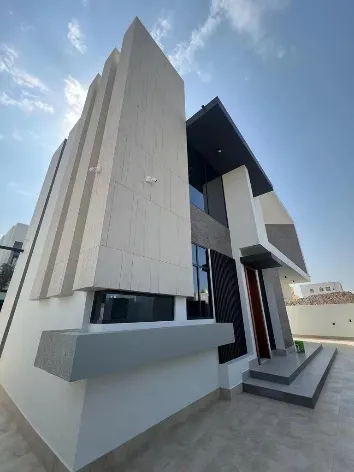
A leading commercial building materials supplier in Saudi Arabia partnered with a developer to clad a 25,000 sqm retail mall in Riyadh using MCM flexible cladding stone wall panels. The developer initially hesitated, noting that MCM panels cost 18% more upfront than the brick cladding they'd originally planned. However, the building material supplier provided a 20-year cost projection, and the developer agreed to proceed.
Five years later, the results are clear: The mall's MCM façade has required only routine cleaning, with zero repairs. Maintenance costs have averaged $5,000 annually, compared to the projected $30,000/year for brick (a savings of $125,000 over five years). Energy bills for the mall are 12% lower than similar brick-clad malls in the area, saving an additional $75,000/year. Perhaps most importantly, the mall's modern, stone-like façade has become a local landmark, attracting higher-end tenants who pay 15% more in rent than the brick-clad mall across the street. Combined, these factors have boosted the mall's net operating income (NOI) by $350,000/year—more than enough to offset the initial 18% investment in MCM panels. The developer estimates the ROI was fully realized by year 4, and they've since specified MCM panels for three more projects.
A residential developer in Dubai chose MCM flexible cladding stone wall panel solutions for a 10-building apartment complex with a total façade area of 50,000 sqm. The goal was to create a luxury look while keeping monthly HOA fees low for residents. The panels were selected over natural stone, which would have added $1.2 million to the initial budget.
Seven years after completion, the complex's HOA fees are among the lowest in the area, thanks in part to minimal façade maintenance costs (just $10,000/year for cleaning). By contrast, a nearby complex with natural stone cladding spends $150,000/year on sealing and repairs, leading to HOA fees that are 20% higher. This has made the MCM-clad complex highly desirable: occupancy rates hover at 98%, and resale values are 10% higher than comparable buildings. For the developer, this means faster sales, higher profit margins, and a reputation for delivering value. For residents, it means lower monthly costs and a building that still looks brand-new—even after seven years in Dubai's harsh sun and sand.
While MCM flexible cladding stone wall panel solutions offer strong ROI on their own, partnering with the right building material supplier is key to maximizing those benefits. A reputable supplier brings more than just panels to the table—they provide expertise, quality assurance, and ongoing support that can make or break a project's success.
First, quality matters. Not all MCM panels are created equal. Cheaper, low-quality panels may have thinner aluminum layers or inferior cores, leading to premature fading, delamination, or reduced energy efficiency. A trusted building material supplier will source panels from manufacturers with rigorous testing standards and certifications (like AAMA 508 for performance and ASTM E119 for fire resistance). They'll also offer warranties that cover both materials and labor, giving you peace of mind that your investment is protected.
Second, expertise counts. Installing MCM panels may be simpler than natural stone, but proper design and installation are still critical. A good supplier will work with your architect and contractor to ensure the panels are specified correctly for your climate, building type, and design goals. They may even provide 3D renderings or samples to help you visualize the final look. For complex projects with curved walls or custom colors, this level of support can save time, reduce errors, and ensure the panels perform as expected for decades.
Finally, local knowledge is invaluable. A building material supplier based in your region—like a Saudi Arabia building materials supplier for projects in the Middle East—understands the unique challenges of local climates, building codes, and logistics. They can recommend panel thicknesses, finishes, and installation methods tailored to extreme heat, high humidity, or frequent sandstorms, ensuring your façade stands up to the elements. They'll also have established relationships with local installers, making it easier to find skilled labor and keep the project on schedule.
When it comes to architectural façade solutions, MCM flexible cladding stone wall panel solutions are more than just a trendy choice—they're a financially savvy one. By combining lower long-term costs with faster installation, energy savings, and minimal maintenance, these panels deliver a compelling ROI that traditional materials simply can't match. Whether you're building a commercial mall, a residential complex, or a public facility, the numbers speak for themselves: over 20 years, MCM panels cost significantly less than natural stone, brick, or even PU stone wall panels, while offering a higher-end look and greater design flexibility.
Of course, the key to unlocking this ROI is choosing the right partner. By working with a reputable building material supplier that prioritizes quality, expertise, and local support, you can ensure your MCM panels perform as promised for decades to come. So, the next time you're evaluating cladding options, remember: cost-effectiveness isn't just about the price you pay today—it's about the value you gain over the life of your building. And when it comes to value, MCM flexible cladding stone wall panel solutions are hard to beat.
Recommend Products











