Let's start with the basics: why should schools prioritize solar panels? The answer lies in three key areas: financial savings, environmental impact, and educational value. Together, these benefits create a compelling case for investment—even for schools operating on shoestring budgets.
Financial Savings: More Than Just Lower Bills
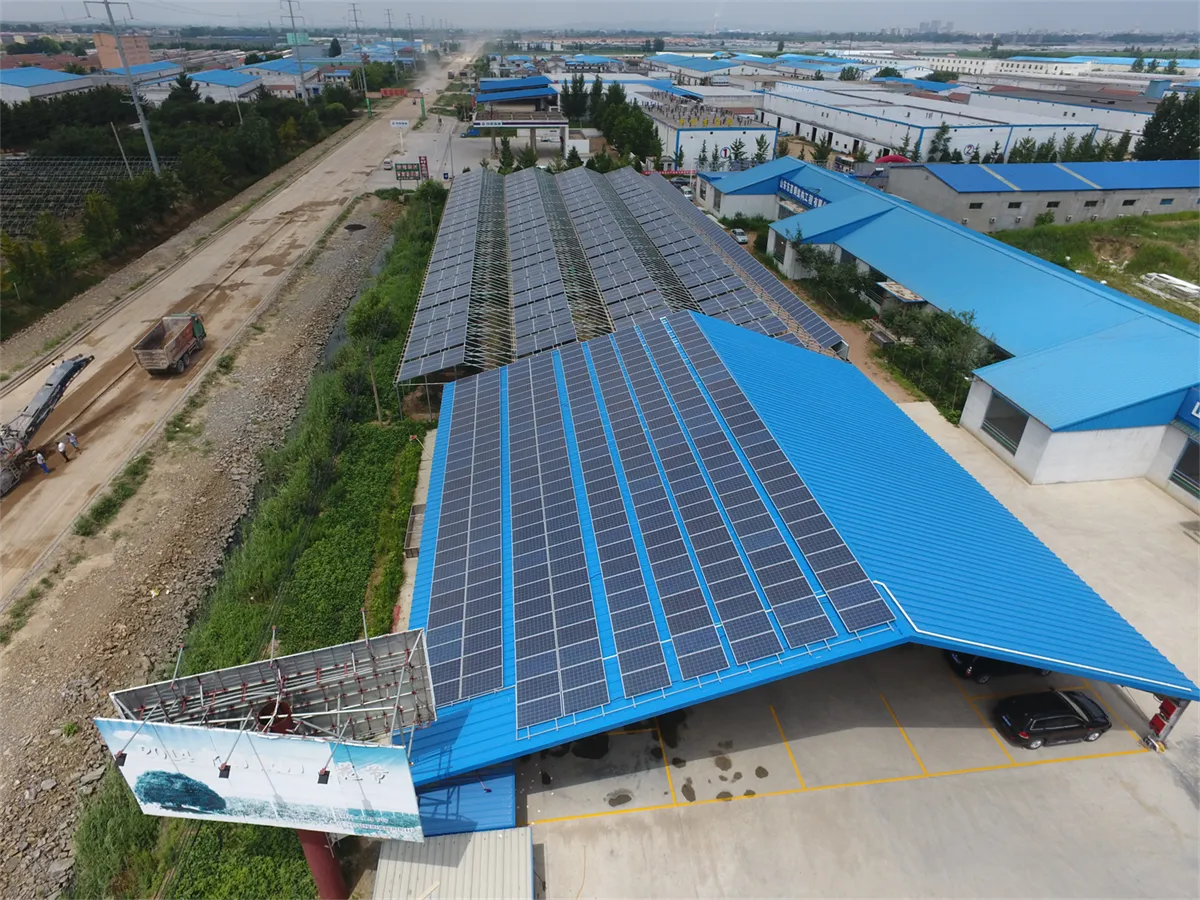
Schools typically have predictable energy needs and large, unused roof spaces—two factors that make them ideal for solar installations. By generating their own electricity, schools can reduce their reliance on the grid, shielding themselves from volatile energy prices. In many regions, excess energy can even be sold back to utilities through net metering programs, turning solar panels into a small revenue stream.
But the savings don't stop there. Governments and local authorities often offer generous incentives for educational institutions adopting renewable energy, from tax credits to grants. For example, schools pursuing green building certifications (like LEED) may qualify for additional funding, making solar panels an even more attractive investment. Over time, these savings can free up budget space for textbooks, teacher training, or extracurricular programs—directly benefiting students.
Environmental Impact: Leading by Example
Today's students are more environmentally conscious than ever. They care about climate change, and they expect the institutions they attend to share those values. By installing solar panels, schools send a powerful message: they're committed to reducing their carbon footprint and contributing to a sustainable future. This aligns with global initiatives like the "double carbon" goals and positions schools as community leaders in environmental stewardship.
For schools in regions like Saudi Arabia, where sustainability is a cornerstone of national strategies (such as Saudi Vision 2030), adopting
green building materials
and renewable energy solutions isn't just a choice—it's a step toward aligning with broader societal goals. Solar panels become part of a larger narrative about responsible resource use, something that resonates with parents, local communities, and government partners alike.
Educational Value: Living Classrooms
Perhaps the most underrated benefit of solar panels for schools is their potential as educational tools. Imagine a science class where students monitor energy production data in real time, calculating how much carbon dioxide their school has saved. Or a math lesson centered on ROI, using the solar system's performance to teach budgeting and long-term planning. Solar panels transform abstract concepts into tangible, hands-on learning experiences—making STEM subjects more engaging and relevant.
Some schools even involve students in the design or maintenance of their solar systems, fostering skills in engineering, problem-solving, and teamwork. These experiences don't just enrich the curriculum; they prepare students for careers in the fast-growing renewable energy sector.