

If you've ever stood in the middle of a half-renovated room or walked through a construction site, you know the tension all too well: the desire to create something beautiful and lasting, paired with the stress of keeping costs in check. Whether you're a homeowner revamping your living space, a contractor managing a commercial project, or an architect designing a new building, the choice of interior and exterior decoration materials can make or break that delicate balance between quality and budget. For years, this dilemma has left many settling—opting for cheap materials that wear quickly, or overspending on premium options that strain finances. But what if there was a material that offered the best of both worlds? Enter PU stone wall panels: a game-changer in the building materials industry, and the reason why partnering with a trusted PU stone wall panel supplier has become a priority for smart builders and designers.
In this article, we'll dive into why PU stone wall panels are redefining cost-effective construction, how a specialized supplier elevates the experience, and how these panels strike the perfect harmony between durability, aesthetics, and affordability. Whether you're planning a residential accent wall or a commercial facade, understanding the value of PU stone wall panel solutions could be the key to turning your vision into reality—without emptying your wallet.
Let's start with the basics. PU, or polyurethane, is a versatile synthetic material known for its lightweight, durable, and flexible properties. When crafted into stone wall panels, it's combined with mineral fillers and advanced bonding agents to mimic the texture, color, and depth of natural stone—think granite, limestone, or slate—without the heavyweight baggage (literally and figuratively) of traditional materials. These panels are engineered in layers: a base of high-density PU foam for structural integrity, a reinforced mesh layer for strength, and a top coating that replicates the look of real stone with stunning precision.
But what truly sets PU stone wall panels apart is their practicality. Unlike natural stone, which can weigh 15-20 kg per square meter, PU panels tip the scales at just 3-5 kg/m². That lightness isn't just about ease of; it reduces structural load on buildings, making them ideal for both new constructions and renovations where adding heavy materials could compromise safety. They're also resistant to moisture, UV rays, and temperature fluctuations—qualities that make them equally suitable for interior decoration materials (like bathroom accent walls or kitchen backsplashes) and exterior decoration materials (such as restaurant facades or apartment building exteriors).
Another standout feature? Installation simplicity. Traditional stone requires skilled masons, mortar, and days of labor. PU panels, on the other hand, often come with interlocking edges or adhesive backing, allowing contractors to install them in a fraction of the time. For a 50m² wall, what might take a team of 3 masons 5 days with natural stone could be done by 2 workers in 2 days with PU panels—slash labor costs and project timelines significantly. It's no wonder that architects and builders are increasingly turning to PU stone wall panel solutions as a smarter alternative.
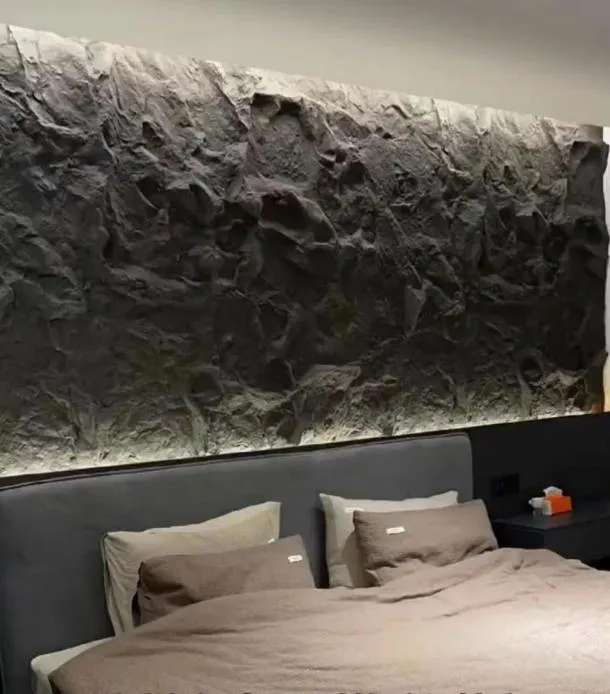
You might be thinking: "Can't I just buy PU panels from any general building material supplier?" Technically, yes—but there's a world of difference between a one-size-fits-all vendor and a supplier who specializes in PU stone wall panels. Here's why expertise matters:
A dedicated PU stone wall panel supplier doesn't just sell products—they live and breathe the material. They know how different formulations perform in humid climates vs. dry ones, which textures work best for high-traffic areas (like hotel lobbies) vs. low-maintenance spaces (like home interiors), and how to customize thickness or density to meet specific project needs. For example, if you're designing a hospital corridor that requires fire-resistant materials, a specialized supplier can guide you to panels with Class A fire ratings, complete with certification documentation. A general supplier? They might not even be aware such options exist.
Natural stone is limited by what the earth provides—you can't ask a quarry to "make this granite a bit lighter" or "change the veining pattern." PU stone wall panels, though, are infinitely customizable. A good supplier offers a range of finishes (matte, glossy, weathered), colors (from warm terracottas to cool grays), and even custom molds for unique textures (like rough-hewn "castle stone" or smooth "river rock"). Recently, a client approached a supplier wanting panels that matched the rare "Swiss stone" look for their mountain chalet—without the cost of importing actual Swiss stone. The supplier created a custom color blend and texture stamp, delivering panels that fooled even stone enthusiasts into thinking they were the real deal. That level of personalization? It's only possible with a supplier who specializes in the craft.
Construction delays are costly, and nothing derails a project faster than material shortages. A specialized PU stone wall panel supplier maintains consistent inventory and has streamlined production processes to meet tight deadlines. They also offer post-purchase support: if a panel arrives damaged, they'll replace it quickly; if your installer has questions about adhesion, their technical team is a phone call away. Compare that to a general supplier who might treat your PU panel order as an afterthought, leaving you scrambling when issues arise.
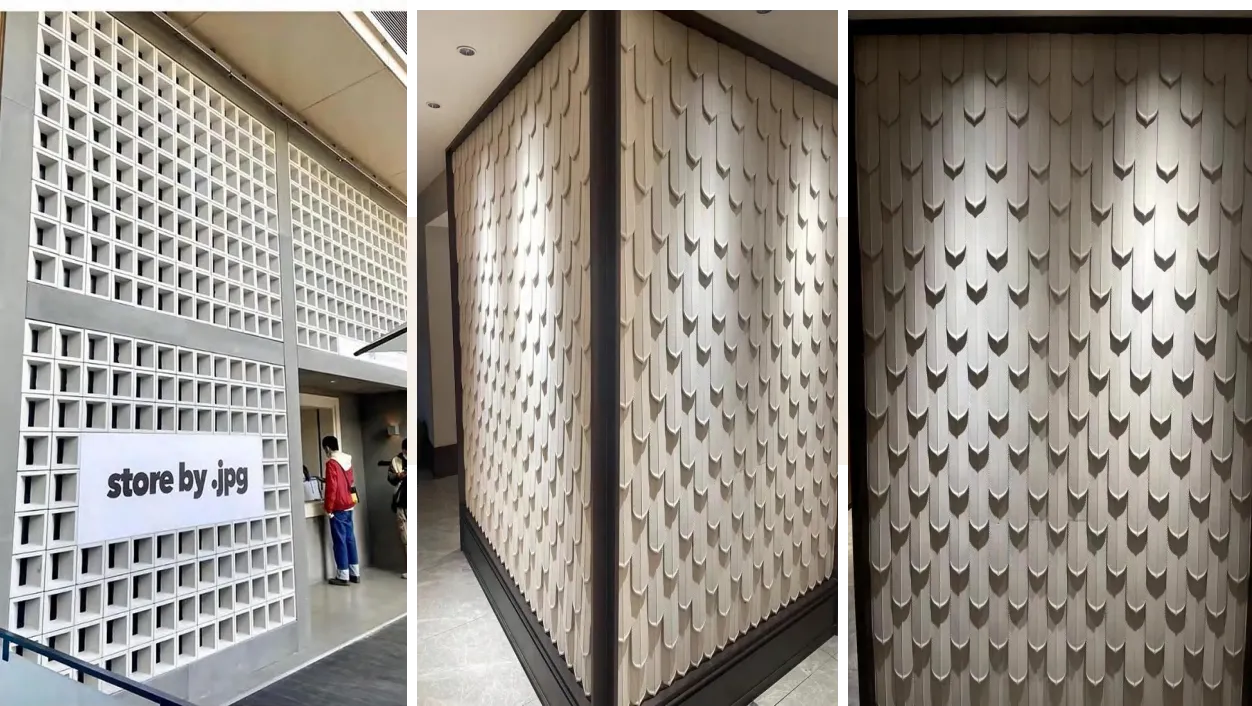
Let's get to the heart of the matter: how do PU stone wall panels actually save you money while maintaining (or even exceeding) the quality of traditional materials? Let's break it down.
Natural stone is expensive to extract, cut, and transport. A square meter of high-grade granite can cost $80-$150, not including shipping. PU panels, by contrast, typically range from $30-$60 per square meter—less than half the price. Even when factoring in installation, the savings add up: natural stone requires heavy machinery for and skilled masons for fitting, driving labor costs up. PU panels are so lightweight that two workers can carry and install them manually, cutting labor time by 50-60%.
Cheap materials often cost more in the long run—think peeling paint or crumbling brick that needs replacement every 5-10 years. PU stone wall panels, though, are built to last. Their resistance to moisture prevents mold and rot, UV protection keeps colors from fading, and impact-resistant cores stand up to dents and scratches. A hotel in Riyadh installed PU panels on its exterior facade 12 years ago; today, the panels still look new, with zero repainting or repairs needed. Compare that to a neighboring building with natural stone cladding, which required pressure washing every 2 years and partial replacement of cracked stones at year 8—costing thousands in maintenance. PU panels aren't just a budget-friendly choice upfront; they're an investment in long-term savings.
| Feature | PU Stone Wall Panels | Natural Stone | Traditional Brick |
|---|---|---|---|
| Cost per m² (material only) | $30–$60 | $80–$150 | $40–$70 |
| Weight per m² | 3–5 kg | 20–30 kg | 18–25 kg |
| Installation Time (50m² wall) | 2–3 days | 5–7 days | 4–6 days |
| Maintenance Frequency | Low (clean with water annually) | High (sealing every 2–3 years) | Medium (repainting every 5–7 years) |
| Expected Lifespan | 20–30 years | 50+ years (but with higher upkeep) | 30–40 years |
| Sustainability | Recyclable, low VOC emissions | High carbon footprint (quarrying/transport) | High energy use in production |
One of the hidden costs in construction is waste. Traditional stone often comes in fixed sizes, meaning you'll end up cutting and discarding large chunks to fit irregular spaces. PU panels, however, are customizable in size—suppliers can pre-cut them to your exact dimensions, minimizing on-site waste. A recent residential project in Jeddah used PU panels for both interior accent walls and exterior cladding; by ordering panels tailored to the home's unique measurements, the contractor reduced material waste by 35% compared to using natural stone. Less waste = lower disposal fees and fewer material reorders—another win for your budget.
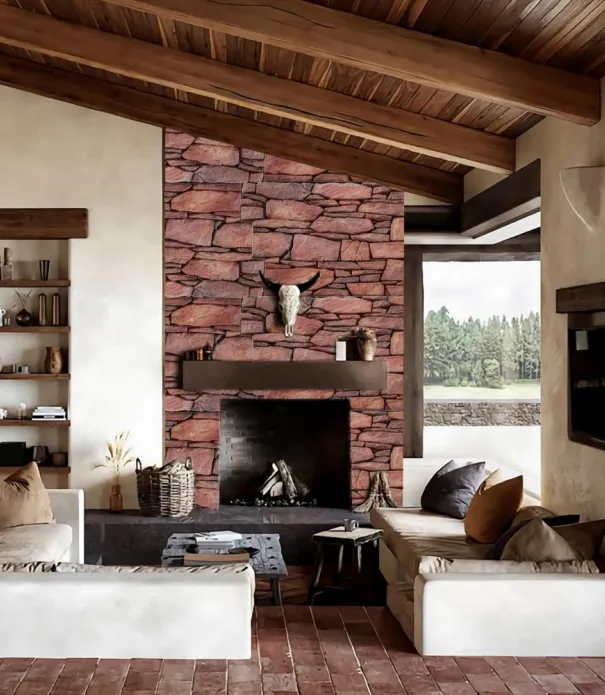
PU stone wall panels aren't a one-trick pony—their adaptability makes them suitable for almost any space, big or small. Let's explore some real-world applications:
Homeowners love PU panels for their ability to add character without overwhelming a space. A small apartment in Dubai used light gray PU "limestone" panels for the living room accent wall, creating a cozy, rustic vibe that makes the 600 sq. ft. space feel larger. Because the panels are lightweight, there was no need to reinforce the wall—a must in older buildings with strict weight restrictions. For outdoor patios, PU panels stand up to Dubai's intense sun and occasional rain, retaining their color and texture year-round. And when it's time to sell? Homes with PU stone accents often fetch higher resale values, as buyers perceive them as "high-end" yet low-maintenance.
Restaurants, retail stores, and office buildings rely on first impressions—and PU panels deliver. A popular café chain in Riyadh wanted to refresh its brand with a "mountain lodge" aesthetic for its new location. Using PU "slate" panels on the exterior and interior walls, they achieved a welcoming, upscale look thats customers. The panels are scratch-resistant (perfect for busy servers rushing by) and easy to clean (a quick wipe with mild soap removes coffee stains). Even high-rise buildings are getting in on the action: a 20-story office tower in Doha used PU panels for its facade, reducing the building's overall weight load and cutting construction time by 2 months compared to natural stone cladding.
Hotels and resorts demand materials that look luxurious but can withstand constant foot traffic and frequent cleaning. PU panels check both boxes. A boutique hotel in Bahrain used custom "marble-look" PU panels in its lobby, creating a grand entrance that guests often mistake for real marble. The panels are also moisture-resistant, making them ideal for spa areas and poolside cabanas. Best of all, when the hotel wanted to update its decor 5 years later, the panels were easy to remove and replace with a new texture—no need for costly wall repairs or lengthy closures.
The Challenge: A family-owned bakery in Riyadh wanted to expand and revamp its storefront to attract more customers. Their vision? A warm, inviting exterior that looked like it was built with traditional Saudi stone, but with a budget of SAR 50,000 for materials and labor. Natural stone quotes came in at SAR 85,000—way over budget.
The Solution: The bakery owner consulted a local PU stone wall panel supplier, who recommended custom "desert stone" panels in warm beige tones. The supplier provided samples, adjusted the color to match the bakery's brand, and even created a mockup of the facade using 3D rendering software.
The Result: The panels cost SAR 28,000 (materials) and took 3 days to install (labor: SAR 12,000), totaling SAR 40,000—under budget by SAR 10,000. Customers now rave about the "charming, authentic" exterior, and sales have increased by 25% since the renovation. The owner notes, "I still have people asking where I sourced the 'special stone'—they can't believe it's PU!"
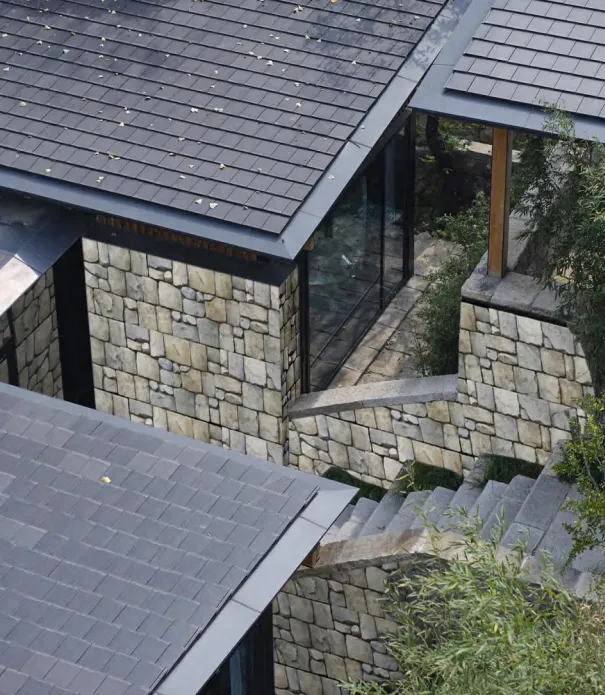
Not all suppliers are created equal—here's what to look for before signing on the dotted line:
At the end of the day, construction and renovation shouldn't be about choosing between "good" and "affordable"—it should be about finding solutions that deliver both. PU stone wall panels, when sourced from a specialized supplier, do exactly that. They offer the timeless beauty of natural stone with the practicality of modern engineering, proving that cost-effective doesn't have to mean cutting corners.
Whether you're a homeowner dreaming of a cozy accent wall or a developer planning a commercial complex, the right PU stone wall panel supplier will be more than a vendor—they'll be a partner in bringing your vision to life. So take the time to research, ask questions, and request samples. Your project (and your budget) will thank you.
After all, the best buildings aren't just built with materials—they're built with smart choices. And when it comes to walls that wow without the worry, PU stone wall panel solutions are hard to beat.
Recommend Products











