
Large-scale construction projects—whether hospitals, universities, commercial skyscrapers, or residential complexes—are marvels of coordination, engineering, and precision. Every component, from the foundation to the ceiling, plays a role in the building's functionality, safety, and longevity. But if there's one system that often flies under the radar until something goes wrong, it's the plumbing and piping infrastructure. Valves, pipes, and fittings might not be the most glamorous part of a project, but they're the circulatory system that keeps buildings operational. And when it comes to choosing materials for these critical components, the decision between traditional options like metal or modern alternatives like plastic isn't just about cost—it's about balancing durability, efficiency, and long-term value. In this article, we'll dive deep into plastic valve system solutions, exploring why they're becoming the go-to choice for large-scale projects and breaking down their cost-benefit profile to help you decide if they're right for your next build.
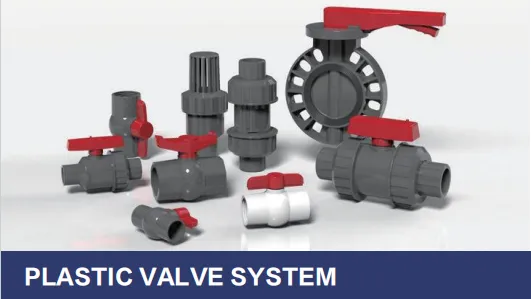
First, let's clarify what we mean by "plastic valve systems." These aren't the flimsy plastic parts you might find in a home DIY project. Modern plastic valve systems are engineered from high-performance polymers like PVC (Polyvinyl Chloride), UPVC (Unplasticized Polyvinyl Chloride), and PPR (Polypropylene Random Copolymer), designed to withstand high pressure, temperature variations, and chemical exposure. They're used in everything from potable water supply and wastewater management to HVAC systems and industrial fluid transport. For large-scale construction, in particular, two types stand out: plastic valve system solutions (which include a range of valves, couplings, and regulators) and PVC DWV pipe solutions (short for Drain, Waste, and Vent pipes), which handle the critical task of removing wastewater and ensuring proper ventilation in buildings.
What makes these systems relevant for big projects? For starters, they're lightweight. Unlike metal pipes and valves, which require heavy machinery to transport and install, plastic components can be carried by hand or with basic equipment, reducing labor and equipment costs. They're also corrosion-resistant—no more worrying about rust eating through pipes in humid environments or chemical-laden wastewater corroding metal valves. And because they're molded to precise specifications, they offer consistent performance, minimizing the risk of leaks or failures that could derail a project or lead to costly repairs down the line.
To understand the cost-benefit of plastic valve systems, we need to look beyond the price tag and consider their impact on the entire project lifecycle. Let's break down the advantages:
Let's start with the obvious: plastic is cheaper than metal. On average, plastic valve systems cost 30-50% less than their cast iron or copper counterparts. For example, a 10-inch diameter plastic gate valve might cost $50-$80, while a similar metal valve could run $150-$200. Multiply that by the hundreds (or thousands) of valves needed for a hospital or shopping mall, and the savings add up fast. But the savings don't stop at materials. Plastic components are lighter—PVC pipes, for instance, weigh about 1/5th of cast iron pipes of the same size—so they're easier to transport, handle, and install. This reduces the need for cranes or heavy lifting equipment, cuts down on installation time, and lowers labor costs. A team of two workers can install plastic pipes and valves in half the time it takes to install metal ones, which is a game-changer for large projects where delays can cost tens of thousands of dollars per day.
Critics of plastic often argue that it's "not as strong as metal," but modern plastic valve systems are engineered to meet rigorous industry standards. For example, PVC DWV pipe solutions are designed to handle the weight of concrete and soil in underground installations, while plastic valve system solutions for high-pressure water lines can withstand pressures up to 100 psi or more. What's more, plastic doesn't rust, corrode, or degrade when exposed to water, chemicals, or salt—common issues with metal pipes in coastal areas or buildings with aggressive wastewater (like hospitals or laboratories). In fact, most plastic valves and pipes come with a 50-year lifespan guarantee, compared to 20-30 years for metal. That means fewer replacements, less downtime, and lower long-term maintenance costs.
Metal pipes and valves require regular maintenance—think painting to prevent rust, cleaning to remove scale buildup, or replacing gaskets that wear out from corrosion. Plastic? It's virtually maintenance-free. Because it doesn't corrode, there's no scale or rust to clean out. The smooth inner surface of plastic pipes also reduces friction, minimizing clogs and the need for snaking or hydro-jetting. For building managers, this translates to lower operational costs and fewer disruptions. Imagine a hospital, where shutting down a water line for maintenance could impact patient care. With plastic valve systems, that's a rare scenario.
Large-scale construction projects are subject to strict codes and regulations—especially in sensitive environments like hospitals and schools. Plastic valve system suppliers understand this, which is why their solutions are tested to meet standards like ASTM D2846 (for CPVC pipes), DIN PN10 (for PVC fittings), and Class A fire ratings (critical for healthcare and educational facilities). For example, Class A fireproof CPL inorganic boards (often paired with plastic piping in hospitals) and PVC DWV pipe solutions are designed to resist fire spread and emit low smoke, keeping occupants safe in emergencies. Unlike some metal pipes, plastic also doesn't leach harmful chemicals into water, making it ideal for potable water systems in schools and hospitals where water quality is non-negotiable.
To truly understand the value of plastic valve systems, let's compare them to metal (cast iron) over a 20-year lifecycle—a typical timeframe for evaluating infrastructure in large buildings. We'll use data from real projects and industry benchmarks, focusing on a hypothetical 500,000 sq. ft. commercial complex with 10 floors, requiring 10,000 linear feet of piping and 500 valves.
| Cost Category | Plastic Valve Systems (PVC/UPVC) | Cast Iron Metal Systems |
|---|---|---|
| Initial Material Cost | $150,000 (pipes, valves, fittings) | $350,000 (pipes, valves, fittings) |
| Installation Labor Cost | $80,000 (3 weeks, 4 workers) | $180,000 (6 weeks, 6 workers + equipment) |
| Annual Maintenance Cost | $2,000 (occasional inspections, minor repairs) | $15,000 (rust treatment, gasket replacements, scale cleaning) |
| Expected Lifespan | 50+ years | 20-25 years |
| Replacement Cost at 20 Years | $0 (no replacement needed) | $400,000 (full system replacement) |
| Total Lifecycle Cost (20 Years) | $150,000 + $80,000 + ($2,000 x 20) = $270,000 | $350,000 + $180,000 + ($15,000 x 20) + $400,000 = $1,230,000 |
The numbers speak for themselves: over 20 years, plastic valve systems cost less than a quarter of cast iron systems. Even if you factor in potential price fluctuations or unexpected repairs, the gap remains staggering. For large-scale projects with tight budgets and long-term ownership goals (like hospitals or universities), this isn't just a cost savings—it's a strategic investment in reliability.
Theory is one thing, but real projects tell the true story. Let's look at two examples where plastic valve system solutions and PVC DWV pipe solutions delivered tangible benefits:
In 2023, a leading construction firm in Saudi Arabia was tasked with building a 500-bed hospital—a project with strict deadlines and even stricter safety requirements. The plumbing system needed to handle high water pressure, resist corrosion from cleaning chemicals, and meet Class A fire ratings. After evaluating options, the team chose a plastic valve system supplier to provide a full suite of solutions, including PVC DWV pipes for wastewater, UPVC pipes for potable water, and plastic valves for pressure regulation. The result? Installation was completed 3 weeks ahead of schedule, thanks to the lightweight materials and ease of handling. Five years later, the hospital reports zero leaks, no maintenance issues, and savings of over $2 million compared to the projected cost of a metal system. "We were initially skeptical about plastic," said the project engineer, "but the durability and cost savings have made us converts. We're using plastic valve systems on all our new healthcare projects now."
A university campus expansion in Dubai required 12 new buildings, including lecture halls, dormitories, and a research center. With a focus on sustainability and cost-efficiency, the project team opted for PVC DWV pipe solutions and plastic valve system solutions for all non-potable water systems (irrigation, wastewater, and HVAC). The lightweight pipes reduced the need for heavy machinery, cutting carbon emissions from construction. Over three years of operation, the campus has saved an estimated $150,000 in maintenance costs, and the plastic pipes have withstood Dubai's extreme temperatures (up to 50°C in summer) without warping or degrading. "Sustainability isn't just about solar panels and green roofs," noted the campus facilities manager. "It's about choosing materials that last longer and require less energy to produce and install. Plastic valve systems checked both boxes for us."
Despite their benefits, plastic valve systems still face skepticism. Let's tackle the most common myths:
False. Modern plastic valves and pipes are rated for pressures up to 160 psi (for PPR systems) and temperatures up to 95°C (for hot water lines). For most large-scale construction projects—where water pressure rarely exceeds 80 psi and temperatures stay below 80°C—this is more than sufficient. For specialized applications like industrial steam lines, plastic might not be the best fit, but for 90% of commercial and residential builds, it's more than capable.
Actually, plastic's flexibility is an advantage here. Unlike rigid metal pipes, which can crack under seismic stress, plastic pipes bend and flex, reducing the risk of breaks during earthquakes. In hurricane-prone areas, plastic's resistance to saltwater corrosion also makes it a better choice than metal, which can rust through in just a few years of exposure to coastal air.
While it's true that some plastics are hard to recycle, most plastic valve systems are made from PVC or UPVC, which are 100% recyclable. Many plastic valve system suppliers also offer take-back programs for old pipes and valves, ensuring they're recycled into new products. What's more, plastic requires less energy to produce than metal—manufacturing PVC pipes generates 50% fewer carbon emissions than cast iron pipes, making them a greener choice overall.
Not all plastic valve system suppliers are created equal. To ensure you're getting a quality product, look for these key traits:
When it comes to large-scale construction, every decision impacts the project's budget, timeline, and long-term success. Plastic valve system solutions and PVC DWV pipe solutions offer a compelling mix of cost savings, durability, and efficiency that's hard to match with traditional materials. From lower upfront costs and faster installation to minimal maintenance and a 50-year lifespan, they deliver value at every stage of the project lifecycle. And as the case studies show, they're not just a "cheaper" option—they're a smarter one, capable of meeting the rigorous demands of hospitals, schools, and commercial complexes.
So, if you're planning a large-scale build, don't dismiss plastic valve systems out of hand. Talk to a reputable plastic valve system supplier, review their certifications, and run the numbers for yourself. Chances are, you'll find that the benefits far outweigh any perceived drawbacks. After all, in construction, the best choices are the ones that stand the test of time—and plastic valve systems are built to do just that.
Recommend Products












