
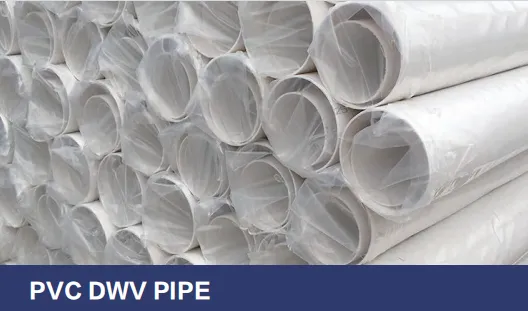
When it comes to building or renovating a property—whether residential, commercial, or industrial—every decision feels like a puzzle. From choosing the right flooring to picking the perfect wall panels, each choice impacts not just the aesthetics but also the long-term functionality and budget of the space. Among these, one area that often flies under the radar until a problem arises is the plumbing system. Specifically, the Drain-Waste-Vent (DWV) system, which quietly works behind the scenes to remove wastewater and prevent harmful gases from entering living spaces. Today, we're diving into why PVC DWV pipe solutions have become the go-to choice for smart builders and property owners, and how they deliver significant long-term savings that go far beyond the initial price tag.
Before we get into the specifics of PVC DWV pipes, let's take a moment to appreciate what DWV systems do. Think of them as the "circulatory system" of a building—without them, wastewater from sinks, showers, toilets, and appliances would stagnate, and toxic gases like methane could seep into living areas. DWV systems have two main jobs: drainage (removing wastewater) and venting (allowing air to flow, preventing suction that could siphon water from traps and release gases). It's a critical component, and choosing the right materials for these pipes is as important as choosing a strong foundation for a house.
Historically, builders relied on materials like cast iron, copper, or galvanized steel for DWV systems. While these materials have their merits, they come with significant drawbacks—especially when it comes to cost and longevity. Cast iron, for example, is durable but extremely heavy, making installation labor-intensive. Copper is corrosion-resistant but expensive and prone to damage from freezing temperatures. Galvanized steel, meanwhile, can rust over time, leading to clogs and leaks. Enter PVC (Polyvinyl Chloride) DWV pipes: a lightweight, affordable, and surprisingly robust alternative that's revolutionized the plumbing industry.
PVC DWV pipes are made from a synthetic plastic polymer known for its strength, chemical resistance, and flexibility. Unlike metal pipes, PVC doesn't rust, corrode, or degrade when exposed to most household chemicals, wastewater, or soil conditions. This inherent durability is just the start of why they've become a staple for building material suppliers and contractors alike. But what really sets them apart is how they stack up in terms of cost—both upfront and over the decades.
Let's break it down. When you work with a reputable PVC DWV pipe supplier , you're not just buying a product—you're investing in a solution designed to minimize hassle and maximize value. Here's how:
It's easy to focus on the initial cost of materials when planning a project. After all, budgets are tight, and every dollar counts during construction. But here's the thing: the cheapest option upfront rarely ends up being the cheapest in the long run. Let's compare PVC DWV pipes with traditional materials like cast iron and copper across four key categories: initial cost, installation labor, maintenance needs, and lifespan. This will help paint a clear picture of where the real savings lie.
| Material | Initial Cost (Per Linear Foot) | Installation Labor Cost (Per Linear Foot) | Maintenance Frequency | Average Lifespan (Years) | Total Estimated Cost Over 50 Years* |
|---|---|---|---|---|---|
| PVC DWV | $0.50 – $2.00 | $8 – $12 | Minimal (occasional snaking for clogs) | 50 – 100+ | $1,500 – $3,000 |
| Cast Iron | $5 – $10 | $20 – $30 | Frequent (corrosion, root intrusion, leaks every 5–10 years) | 25 – 30 | $8,000 – $12,000 |
| Copper | $10 – $15 | $15 – $25 | Moderate (pinhole leaks, freezing damage) | 50+ | $6,000 – $9,000 |
*Estimates based on a 100-foot DWV system, including initial material, installation, and maintenance costs. Lifespan estimates sourced from plumbing industry studies.
The table tells a clear story: while PVC DWV pipes have a lower initial cost, their real advantage is in the total cost over time . Let's unpack why this is the case.
PVC DWV pipes are significantly lighter than cast iron or copper—about 1/10th the weight of cast iron. This makes them easier to transport, handle, and install. A single worker can carry and position PVC pipes, whereas cast iron often requires a team of two or more, plus heavy equipment like cranes for overhead installations. Fewer workers and less time on the job site translate directly to lower labor costs. For a 1,000-square-foot home, this could mean saving $5,000–$10,000 on installation alone compared to cast iron.
Additionally, PVC pipes are easier to cut, shape, and connect. They don't require welding (like cast iron) or soldering (like copper)—instead, they use solvent cement that bonds the pipes in minutes. This speed not only reduces labor costs but also shortens project timelines, allowing builders to move on to the next phase faster.
Anyone who's dealt with a plumbing emergency knows that maintenance costs can add up fast. Cast iron pipes, for example, are prone to corrosion and rust, which narrow the pipe diameter over time, leading to frequent clogs. Tree roots also love cast iron—they can seep into small cracks and grow, blocking the pipe entirely. Repairing a cast iron pipe often means digging up floors or walls, which can cost $2,000–$5,000 per incident.
PVC DWV pipes, on the other hand, are smooth on the inside, which reduces the risk of clogs from debris buildup. They're also resistant to corrosion, chemicals, and root intrusion (thanks to their smooth exterior and lack of organic material that roots seek out). For most homeowners and property managers, maintenance involves little more than occasional drain cleaning with a snake—no costly repairs or replacements needed for decades. This "set it and forget it" quality is a huge relief for anyone who wants to avoid unexpected plumbing bills.
When you install a DWV system, you want it to outlast the building itself. PVC DWV pipes deliver on this promise. Most manufacturers warranty their PVC DWV pipes for 50 years, but real-world data shows they can last 100 years or more with proper installation. Compare that to cast iron, which typically needs replacement after 25–30 years, or galvanized steel, which may fail in as little as 20 years. Choosing PVC means you won't have to budget for a full DWV system replacement in your lifetime—and if you're a commercial property owner, that's a major selling point for tenants who want reliability.
For example, imagine building a multi-family apartment complex today. If you install cast iron DWV pipes, you'll likely need to replace them in 30 years, disrupting tenants and spending $50,000–$100,000 on repairs. With PVC, that system could still be functioning perfectly when the building turns 100. That's not just savings—it's peace of mind.
While it might not be the first thing you think of when considering plumbing materials, PVC DWV pipes are also more environmentally friendly than many alternatives. PVC production requires less energy than metal pipe production, and because PVC pipes are lightweight, transporting them uses less fuel, reducing carbon emissions. Additionally, their long lifespan means less waste—no need to mine new materials or dispose of old pipes every few decades.
On a practical level, PVC's smooth interior also improves water flow, reducing the need for larger pumps or higher water pressure to move wastewater. This subtle efficiency can lower utility costs over time, especially in large commercial buildings with extensive plumbing systems.
Of course, none of these benefits matter if you're not working with a reliable PVC DWV pipe supplier . The quality of PVC pipes can vary significantly between manufacturers—some use recycled materials or cut corners in production, leading to weaker pipes that are prone to cracking. That's why partnering with a reputable one-stop architectural solution provider is so important. These suppliers don't just sell pipes—they offer expertise, technical support, and a full range of building materials that ensure your project runs smoothly from start to finish.
A good supplier will help you select the right PVC DWV pipe size and thickness for your specific needs (residential vs. commercial, high-rise vs. single-family), provide installation guides, and even connect you with trusted contractors who have experience working with their products. They'll also stand behind their materials with warranties, so you're protected if something goes wrong (though with quality PVC, that's rare).
For example, imagine you're a contractor building a school. You need not just DWV pipes but also fireproof wall panels, flooring, and ceiling solutions. A one-stop provider can supply all these materials, ensuring compatibility and reducing the hassle of coordinating with multiple vendors. This saves time, reduces shipping costs, and ensures that every component of the building works together seamlessly—including the DWV system.
Let's look at a few real-world examples to see how PVC DWV pipes deliver on their promise of long-term savings:
Case Study 1: Multi-Family Residential Complex (Houston, TX)
A developer built a 50-unit apartment complex in 2005, choosing PVC DWV pipes over cast iron to cut initial costs. By 2023, the complex had only required minor drain cleaning (average $150 per incident, 2–3 times total). In contrast, a neighboring complex built with cast iron pipes in the same year had to replace 30% of its DWV system in 2018, costing $75,000. The PVC-equipped complex saved over $70,000 in maintenance and repairs in just 18 years.
Case Study 2: Commercial Office Building (Chicago, IL)
A property management company renovated a 1980s office building in 2010, replacing its corroded galvanized steel DWV system with PVC. The initial installation cost was $25,000, compared to $60,000 for a copper system. By 2023, the PVC system had zero leaks or failures, while the copper system in a similar unrenovated building required $12,000 in repairs due to pinhole leaks. The total savings over 13 years: $47,000 and counting.
Case Study 3: Single-Family Home (Denver, CO)
A homeowner built their dream home in 2015, opting for PVC DWV pipes. In 2021, a tree root infiltrated the main sewer line. Because PVC pipes are smooth and non-porous, a plumber was able to clear the root with a hydro jet (cost: $350). A neighbor with a cast iron system faced the same issue but needed to replace a 15-foot section of pipe (cost: $4,500). The PVC homeowner saved $4,150 on a single repair.
At the end of the day, building or renovating a property is about more than just creating a functional space—it's about making smart investments that pay off for decades to come. PVC DWV pipes are one of those investments. They offer lower initial costs, faster installation, minimal maintenance, and a lifespan that outlasts most building materials. When you factor in the total cost over 50 years, they're not just the affordable choice—they're the only choice for anyone who wants to avoid costly surprises down the line.
And remember, the key to maximizing these savings is partnering with the right PVC DWV pipe supplier —one that offers high-quality materials, expert support, and a one-stop shopping experience for all your building needs. With the right solutions and the right partner, you can build a space that's not just beautiful and functional, but also financially sustainable for generations to come.
So the next time you're planning a project, don't just look at the price tag on the pipes. Think about the decades of savings, the peace of mind, and the reliability that come with choosing PVC DWV. Your wallet (and your future self) will thank you.
Recommend Products












