
In the world of construction, where every nail, beam, and pipe carries a price tag, budgeting isn't just about crunching numbers—it's about building a foundation for success. For anyone involved in residential or commercial projects, from contractors to project managers, the choice of materials can make or break a budget. One area that often flies under the radar, yet holds significant financial weight, is the selection and installation of plastic valve system solutions . These unassuming components are the unsung heroes of plumbing systems, controlling the flow of water, gas, and other fluids with precision. But when it comes to budgeting, their costs can vary widely, influenced by factors like project size, material quality, and even regional supplier dynamics. Let's dive into the nitty-gritty of budgeting for plastic valve systems, exploring how to balance quality, functionality, and cost without compromising on the project's integrity.
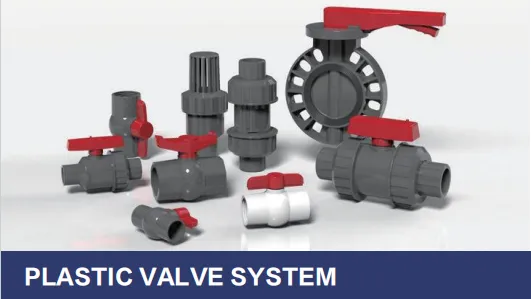
Before we start tallying costs, let's make sure we're all on the same page about what plastic valve system solutions actually are. Simply put, these are valves made from various plastic polymers—think PVC (polyvinyl chloride), UPVC (unplasticized PVC), PPR (polypropylene random copolymer), and more—designed to regulate fluid flow in plumbing systems. Unlike their metal counterparts (brass, iron, or copper), plastic valves offer unique advantages: they're lightweight, corrosion-resistant, easy to install, and often more affordable upfront. But not all plastic valves are created equal. For example, PVC DWV pipe solutions (which stands for Drain, Waste, and Vent) rely on specific valve types to ensure proper drainage, while UPVC pipe solutions are prized for their durability in high-pressure water systems. Whether you're working on a small residential renovation or a sprawling commercial complex, understanding which plastic valve solutions fit your project is the first step in accurate budgeting.
Let's break down the most common types you'll encounter. PVC valves, known for their flexibility and low cost, are a staple in residential plumbing—think sinks, showers, and toilets. UPVC valves, on the other hand, are sturdier and often used in commercial settings where higher pressure and temperature resistance are needed. Then there are PPR valves, favored for hot water systems due to their heat tolerance, and PEX valves, which are popular in radiant heating setups. Each type comes with its own price point and application, so mixing and matching based on your project's needs is key to avoiding overspending.
When you sit down to draft a budget for plastic valve systems, it's easy to focus solely on the cost of the valves themselves. But seasoned construction pros know that the total expense is a puzzle with many pieces. Let's break down the key components that contribute to the overall cost of plastic valve system solutions in any project.
Unsurprisingly, the valves themselves make up the largest chunk of the budget. Prices here depend on the type of plastic, size (measured in inches), and pressure rating. For example, a standard 2-inch PVC ball valve might cost as little as $10, while a high-pressure UPVC butterfly valve for a commercial project could set you back $200 or more. It's also worth noting that specialty valves—like those designed for chemical resistance or extreme temperatures—will command a premium. When sourcing materials, partnering with a reliable residential building materials supplier or commercial building materials supplier can help you secure bulk discounts, especially for large-scale projects.
Even the best valves are useless without proper installation, and labor costs can add up quickly. Plumbers typically charge by the hour, with rates ranging from $50 to $150 per hour depending on location and experience. The complexity of the installation matters too: installing a valve in a tight crawl space or integrating it with existing PVC DWV pipe solutions will take longer than a straightforward above-floor installation. Additionally, if your project requires specialized tools—like fusion machines for PPR valves—rental or purchase costs should be factored in. Pro tip: Get detailed quotes from at least three contractors to compare labor rates and avoid unexpected fees.
Valves don't work alone. You'll need fittings (elbows, tees, couplings), sealants (Teflon tape, pipe dope), and supports (clamps, brackets) to complete the system. These items might seem minor, but their costs can accumulate. For a mid-sized commercial project, accessories could add 10-15% to the total material budget. Don't forget to include these in your quantity takeoffs—overlooking a handful of couplings might lead to last-minute trips to the supplier and delays.
While plastic valves are generally low-maintenance compared to metal, they're not entirely maintenance-free. Over time, seals may wear out, or debris could clog valves, requiring repairs or replacements. Budgeting for periodic inspections (every 2-3 years) and setting aside funds for unexpected issues is a smart move. For example, a $50 annual maintenance check could prevent a $500 emergency repair down the line.
If you've ever compared quotes for plastic valve systems, you've probably noticed significant price differences. Why is that? Let's explore the key factors that can make your budget swing up or down.
It's no secret that larger projects mean higher total costs, but they also often come with economies of scale. A residential building materials supplier might offer better per-unit pricing for a 50-unit apartment complex than for a single-family home. Conversely, commercial projects—with their larger pipe diameters and higher pressure requirements—tend to use more expensive valves, pushing up the per-unit cost. For example, a commercial high-rise might require 10-inch UPVC gate valves, which cost significantly more than the 1-inch valves common in residential bathrooms.
Your choice of supplier can have a big impact on costs. Local suppliers offer convenience but may charge more for inventory storage. National distributors might have lower prices but longer lead times. If your project is in a region like Saudi Arabia, partnering with a Saudi Arabia building materials supplier could reduce shipping costs and ensure compliance with local regulations. Additionally, suppliers with strong relationships with manufacturers often have access to exclusive discounts or early access to new products, which can lower costs.
Opting for the cheapest valve on the shelf might save money upfront, but it could cost more in the long run. Low-quality plastic valves are prone to cracking, leaking, or failing under pressure, leading to water damage and costly repairs. Investing in high-quality valves from reputable brands—even if they cost 20-30% more—can pay off in durability and peace of mind. Look for certifications like ISO 9001 or NSF/ANSI standards to ensure you're getting a reliable product.
Costs can vary dramatically from one region to another. For example, in areas with high demand for construction (like major U.S. cities or growing markets in Saudi Arabia), material and labor costs tend to be higher. Shipping is another factor: if your supplier is located far from the job site, transportation fees can add 5-20% to the total cost. Weather also plays a role—installing valves during freezing temperatures might require heated storage for materials, increasing costs temporarily.
Now that we understand the components and variables of plastic valve system costs, let's talk about actionable strategies to create a realistic, stress-free budget. These tips come from industry veterans who've learned to navigate the ups and downs of construction finances.
Before you can budget, you need to know exactly how many valves (and what type) you need. Work with your plumber or engineer to create a detailed list, including sizes, pressure ratings, and locations. For example, a three-bedroom home might require 8-10 valves (one for each fixture plus main shutoffs), while a 10-story commercial building could need hundreds. Using digital tools like Bluebeam or PlanSwift can help automate takeoffs and reduce human error.
Don't settle for the first supplier you find. Request quotes from at least three different suppliers, including both local and national options. Ask about bulk discounts, loyalty programs, or price matching. If you're working on a long-term project, consider negotiating a contract with a commercial building materials supplier to lock in prices for the duration of the job, protecting you from market fluctuations.
Even the most detailed budget can't predict everything. Unexpected issues—like a broken valve during installation or a last-minute design change—will pop up. A good rule of thumb is to set aside 10-15% of the total valve budget for contingencies. For example, if your total valve costs are estimated at $10,000, plan for $1,000-$1,500 in extra funds. This buffer will keep your project on track without derailing the entire budget.
It's tempting to choose the cheapest valve option, but consider the long-term picture. A slightly more expensive UPVC pipe solution with a 50-year lifespan might be a better investment than a budget PVC valve that needs replacement in 15 years. Calculate the total cost of ownership (TCO) by factoring in maintenance, repairs, and replacement costs over the valve's expected life. You might be surprised how quickly a higher upfront cost pays off.
To put these concepts into practice, let's look at two hypothetical projects: a 3-bedroom residential home and a 5,000-square-foot commercial office space. Both require plastic valve system solutions , but their budgets will differ significantly based on scale and complexity.
| Cost Component | Residential Home (3-bed, 2-bath) | Commercial Office (5,000 sq. ft.) |
|---|---|---|
| Valves (Materials) | $350 (10 valves: 2 main shutoffs, 8 fixture valves) | $5,200 (120 valves: mixing valves, zone valves, main lines) |
| Accessories (Fittings, Sealants) | $100 (15% of materials) | $780 (15% of materials) |
| Labor (Installation) | $800 (16 hours x $50/hour) | $12,000 (80 hours x $150/hour) |
| Contingency (10%) | $125 | $1,800 |
| Total Budget | $1,375 | $19,780 |
In the residential project, the budget is modest, driven by a small number of standard PVC valves and straightforward installation. The commercial project, however, requires more valves (including specialized types for HVAC zones and high-pressure lines) and higher labor costs due to complexity. Notice how the contingency fund grows with the project size—this reflects the increased risk of unexpected issues in larger builds.
Plastic valve systems don't exist in a vacuum—they're part of a larger plumbing ecosystem that includes pipes, drains, and fixtures. To create a cohesive budget, it's important to consider how plastic valve system solutions interact with complementary products like PVC DWV pipe solutions and UPVC pipe solutions .
For example, in residential drainage systems, PVC DWV pipes rely on gate valves or check valves to prevent backflow. Choosing valves that are compatible with your DWV pipes (same material, size) ensures a leak-free system and avoids costly adapters. Similarly, UPVC pipes, often used for main water lines, pair well with UPVC ball valves for reliable shutoff capabilities. By sourcing valves and pipes from the same residential building materials supplier , you can streamline ordering, reduce compatibility issues, and potentially negotiate package discounts.
The construction industry is always evolving, and plastic valve systems are no exception. Here are a few trends that could shape costs in the coming years—and how to prepare for them.
As LEED certifications and green building standards become more common, demand for eco-friendly plastic valves is rising. Manufacturers are developing valves made from recycled plastics or biodegradable polymers, which may initially cost 10-20% more than traditional options. However, government incentives or tax breaks for sustainable projects could offset these costs. If your project targets green building certifications, budget for these premium materials early.
The rise of smart homes and smart buildings is introducing "intelligent" valves with sensors that monitor flow, pressure, and leaks. These valves can connect to building management systems, alerting you to issues in real time. While smart valves currently cost 2-3 times more than standard valves, they can reduce long-term maintenance costs by preventing major failures. For commercial projects, the investment might be worth it for the added efficiency and peace of mind.
Recent global supply chain disruptions have taught the industry the importance of local sourcing. In regions like Saudi Arabia, working with a Saudi Arabia building materials supplier who manufactures or stocks valves locally can reduce lead times and insulate you from international shipping delays. While local suppliers might charge slightly more, the savings in time and reliability often outweigh the cost difference.
Budgeting for plastic valve system solutions might not be the most glamorous part of construction, but it's a critical step toward delivering a project on time and on budget. By understanding the components of cost, recognizing the factors that drive variability, and following best practices like accurate takeoffs and supplier negotiations, you can create a budget that balances quality and affordability. Remember, the goal isn't just to save money—it's to invest in a system that will perform reliably for years to come, whether you're building a family home or a commercial complex.
So, the next time you're poring over blueprints or meeting with suppliers, take a moment to appreciate the role of plastic valves. They may be small, but their impact on your budget—and your project's success—is anything but. With the right planning, you'll navigate the world of plastic valve system costs like a pro, ensuring your construction project flows as smoothly as the fluids through those valves.
Recommend Products












