

When you walk down a city street, your eyes are drawn to the buildings that stand out—not just for their height or design, but for how they've aged. A with peeling paint, a hotel facade stained by rain, a residential complex where the exterior cladding has started to rust or fade—these sights tell a story of neglect, but more importantly, they hint at a critical oversight: choosing building materials that can't stand up to the elements. For architects, developers, and homeowners alike, the battle against corrosion isn't just about aesthetics; it's about protecting investments, ensuring safety, and creating spaces that last.
Enter MCM flexible cladding stone wall panels—a modern solution that's revolutionizing exterior and interior design. Lightweight, versatile, and visually striking, MCM (Metal Composite Material) panels have become a go-to for architects aiming to balance beauty with durability. But what truly sets a standout MCM flexible cladding stone wall panel supplier apart isn't just the product itself—it's the material treatment technologies that transform these panels into long-lasting, corrosion-resistant guardians of a building's exterior. In this article, we'll pull back the curtain on how leading suppliers engineer corrosion resistance into every panel, why it matters, and how these innovations make them a trusted one-stop architectural solution provider for projects big and small.
Before diving into the tech that makes MCM panels corrosion-resistant, let's get clear on what MCM is. At its core, MCM is a sandwich of two thin metal sheets (usually aluminum) bonded to a non-aluminum core, often made of polyethylene or mineral-filled materials. This structure gives MCM panels their signature traits: flexibility (they can bend without cracking), lightweight (up to 70% lighter than solid stone), and impressive strength. But here's the thing: while the base material is robust, untreated metal is still vulnerable to the elements. Rain, saltwater, pollution, and even UV rays can trigger corrosion—think of how a metal fence rusts over time, or how a copper roof turns green. For exterior cladding, which acts as a building's first line of defense, this simply won't do.
That's where specialized material treatment comes in. A top-tier MCM flexible cladding stone wall panel supplier doesn't just stop at manufacturing panels—they invest in R&D to develop treatments that shield the metal from corrosion, ensuring the panels stay looking fresh and functional for decades. Let's explore how these treatments work, and why they're a game-changer for anyone building in harsh climates.
Corrosion is a silent enemy. It starts at the microscopic level—water and oxygen seep into tiny pores in the metal, triggering chemical reactions that weaken the structure and discolor the surface. To combat this, leading suppliers use a mix of advanced technologies, each targeting a specific stage of the corrosion process. Let's break down the most effective ones:
Imagine painting a surface with a layer so thin it's measured in nanometers (that's one-billionth of a meter), yet so tough it repels water, salt, and pollutants like a force field. That's nano-ceramic coating. Here's how it works: during production, the MCM panel's metal surface is cleaned and prepped, then dipped into a solution containing ceramic nanoparticles. These particles bond to the metal at the molecular level, forming a dense, impermeable layer. Unlike traditional paint, which can crack or peel, this coating flexes with the panel, ensuring no gaps form over time. For coastal buildings—where salt spray is a constant threat—this treatment is a lifesaver. One supplier we spoke to reported that panels treated with nano-ceramic coating showed zero signs of corrosion after 15 years in a coastal test site, compared to untreated panels that started rusting within 2 years.
Ever wondered how some metal products have a finish so uniform it looks like it was painted by a robot? Chances are, it was—using electrophoretic deposition. EPD is like a high-tech version of electroplating, but instead of adding a metal layer, it deposits a protective polymer coating. Here's the process: the MCM panel is submerged in a water-based solution containing charged polymer particles. When an electric current is applied, the particles are drawn to the metal surface, forming a smooth, even coating. The beauty of EPD is its precision—even hard-to-reach edges and corners get full coverage. This is crucial for exterior cladding, where any unprotected spot can become a corrosion hotbed. Suppliers love EPD because it's eco-friendly (low VOCs) and highly customizable—you can adjust the thickness of the coating to match the project's needs, from thin layers for interior accent walls to thicker, more robust layers for high-rise exteriors.
Sometimes, the best defense is a natural one. Thermal oxidation treats the metal surface by exposing it to high temperatures in a controlled environment (usually 400–600°C). This process causes the metal (often aluminum, in MCM panels) to react with oxygen, forming a thin layer of aluminum oxide. Unlike the flaky rust you see on iron, aluminum oxide is a hard, transparent film that adheres tightly to the metal, acting as a barrier against moisture and chemicals. Think of it as the metal's own built-in armor. What's great about thermal oxidation is that it's permanent—the layer grows from the metal itself, so it can't chip off. It's especially effective in dry, sunny climates, where UV rays can break down organic coatings. Suppliers often pair thermal oxidation with a topcoat for extra protection, creating a "double shield" effect that's tough to beat.
Why choose between organic (polymer) and inorganic (ceramic or metal oxide) coatings when you can have both? Hybrid coatings blend the flexibility of polymers with the durability of inorganic materials, creating a treatment that's resistant to both physical damage and chemical corrosion. For example, a supplier might mix epoxy resins (polymers) with silica nanoparticles (inorganic) to create a coating that's flexible enough to handle thermal expansion but hard enough to resist scratches and acid rain. These hybrid coatings are a favorite for commercial buildings in urban areas, where pollution (like sulfur dioxide from cars) can eat away at traditional cladding. In one case study, a shopping mall in a busy city center used hybrid-coated MCM panels; after 10 years, the panels still retained their original color and gloss, while neighboring buildings with uncoated cladding needed full replacements.
Talking about treatments is one thing—proving they work is another. A reputable MCM flexible cladding stone wall panel supplier doesn't just rely on lab results; they subject their panels to rigorous real-world testing to ensure corrosion resistance holds up when it matters most. Let's take a look at the key tests and what they reveal:
| Treatment Technology | Corrosion Resistance Test | Result (Pass/Fail) | Estimated Lifespan in Harsh Climates |
|---|---|---|---|
| Nano-Ceramic Coating | 5000-hour salt spray test (ASTM B117) | Pass (0% corrosion) | 25+ years |
| Electrophoretic Deposition (EPD) | Cyclic corrosion test (ASTM G85-A5) | Pass (minimal edge corrosion) | 20+ years |
| Thermal Oxidation | Acid rain exposure (ISO 10289) | Pass (no surface degradation) | 15+ years |
| Hybrid Polymer-Inorganic Coating | UV aging + salt spray combo test | Pass (no color fading or corrosion) | 30+ years |
These tests aren't just box-ticking exercises—they're a promise. When a supplier can show that their panels pass 5000 hours of salt spray testing (that's over 208 days of continuous exposure to corrosive salt mist), it gives architects and developers the confidence to specify MCM cladding for projects in challenging environments, from coastal cities to industrial zones.
Corrosion resistance is a big selling point, but it's not the only reason to choose MCM flexible cladding. The same treatments that protect against rust often boost other performance metrics, making these panels a versatile choice for any project:
Many MCM panels, especially those designed for hospitals, schools, or high-rise buildings, are paired with fire-resistant cores. When combined with corrosion treatments, they become a powerhouse of safety. For example, some suppliers offer MCM panels with a Class A fireproof CPL inorganic board core—meeting strict fire codes while still resisting corrosion. This dual protection is a huge relief for project managers who need to balance safety, durability, and design.
Let's not forget the "flexible" in MCM flexible cladding. These panels can be curved, bent, or cut into custom shapes, allowing architects to create unique facades that stand out. And with treatments that preserve color and texture, the design vision stays intact for years. Want a stone-like finish that won't fade? Or a bold color that resists sun bleaching? A specialized supplier can customize both the material and the treatment to match your vision.
Building owners hate surprises—like unexpected repair bills for failing cladding. Treated MCM panels change the game here. Because they're resistant to corrosion, fading, and staining, they require minimal upkeep. A quick wash with water and mild soap once a year is usually enough to keep them looking new. Compare that to natural stone, which may need sealing every few years, or wood, which can rot and warp—suddenly, the upfront investment in treated MCM feels like a no-brainer.

You could buy MCM panels from a general building material supplier, but there's a difference between selling a product and delivering a solution. A dedicated MCM flexible cladding stone wall panel supplier brings more to the table:
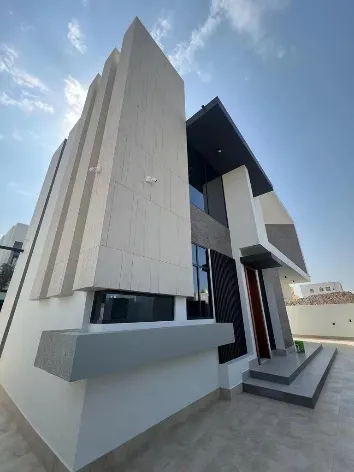
Take, for example, a recent project in Saudi Arabia—a luxury residential complex with ocean views. The developer needed cladding that could handle high temperatures, sandstorms, and salt spray. A local MCM flexible cladding stone wall panel supplier stepped in, recommending hybrid polymer-inorganic coated panels. Today, three years later, the buildings still look as stunning as the day they opened, with zero corrosion or fading. That's the value of choosing a supplier who understands both the product and the local environment.
When you invest in a building, you're not just creating a structure—you're building a legacy. The materials you choose today will shape how that legacy ages, from the first year to the fiftieth. MCM flexible cladding stone wall panels, with their advanced corrosion-resistant treatments, offer a way to build confidently, knowing your facade will stand strong against the elements. And when you partner with a supplier who specializes in these panels—one that offers not just products but solutions—you're not just buying cladding. You're gaining a partner in creating spaces that are beautiful, durable, and built to last.
So, whether you're designing a beachfront hotel, a urban office tower, or a school that needs to stand the test of time, remember: the right MCM supplier doesn't just sell panels. They deliver peace of mind. And in the world of construction, that's a foundation worth building on.
Recommend Products











