
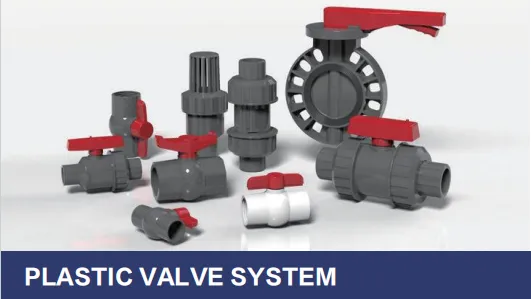
Let's start with a story we've all heard (or maybe even lived through): A small restaurant owner in Riyadh notices a slow leak under the sink. At first, it's just a drip—easy to ignore. But within months, the leak worsens, and when a plumber finally takes a look, they find something alarming: the metal valve connecting the pipes is covered in rust, its once-shiny surface pitted and corroded. The repair isn't cheap, and the downtime costs even more. "Why did this happen so fast?" the owner asks, frustrated. The answer, unfortunately, is simple: corrosion. It's the silent enemy of plumbing systems, industrial setups, and building infrastructure—eating away at metal components, causing leaks, contamination, and costly replacements. But what if there was a way to avoid this altogether? Enter plastic valve system solutions—a game-changer in the fight against corrosion, and a topic we're diving deep into today.
Before we talk about solutions, let's get clear on the problem. Corrosion isn't just about rusty pipes or ugly stains. It's a chemical reaction that happens when metal comes into contact with water, oxygen, or harsh substances like acids, salts, or cleaning chemicals. Over time, this reaction breaks down the metal's structure, turning strong pipes into brittle, leak-prone hazards. In residential settings, this might mean higher water bills from hidden leaks or contaminated drinking water if rust particles seep into the supply. In commercial spaces like hospitals or schools, the stakes are even higher: corrosion in pipes carrying medical fluids or drinking water could risk health and safety. For industrial facilities, corrosion can shut down operations entirely—think of a factory where a corroded valve in a chemical processing line causes a spill, leading to fines, downtime, and environmental damage.
The numbers tell a stark story. According to industry reports, corrosion costs the global economy over $2.5 trillion annually—a figure that includes everything from replacement parts to emergency repairs and lost productivity. And here's the kicker: much of this is preventable. For decades, metal valves and pipes (like steel, copper, or iron) were the default choice, prized for their strength. But as we've learned, strength alone isn't enough if the material can't stand up to the elements it's exposed to. This is where plastic valve system solutions step in—offering a level of corrosion resistance that metal simply can't match, along with a host of other benefits that make them a smarter long-term investment.
Let's take a quick trip down memory lane. Not too long ago, if you were building a house, a school, or a commercial complex, your contractor would likely reach for metal valves and pipes. Copper was popular for residential plumbing; steel for industrial setups. They were familiar, readily available, and "tough." But as buildings became more complex and environments more demanding (think of coastal areas with saltwater air, or hospitals using strong disinfectants), metal's weaknesses became impossible to ignore. Copper, for example, can corrode when exposed to acidic water or certain chemicals in cleaning products. Steel? It's highly susceptible to rust, especially in humid climates like Saudi Arabia's. Even stainless steel, often marketed as "corrosion-resistant," can develop pitting in environments with high chloride levels—like swimming pools or coastal buildings.
Enter plastic. In the 1960s and 70s, materials like PVC (polyvinyl chloride) and UPVC (unplasticized polyvinyl chloride) started gaining traction in plumbing. At first, skeptics dismissed them as "cheap" or "flimsy"—after all, plastic didn't have the same heft as metal. But as technology improved, so did plastic's performance. Today, modern plastic valve systems are made from advanced polymers designed to withstand extreme temperatures, pressure, and chemical exposure. And when it comes to corrosion? They're in a league of their own. Unlike metal, plastic doesn't react with water, oxygen, or most chemicals. That means no rust, no pitting, no degradation—even after decades of use. For a plastic valve system supplier, this isn't just a selling point; it's the core of their value proposition.
So, what exactly makes plastic valve systems so resistant to corrosion? It all comes down to chemistry. Plastic is a non-metallic material, which means it doesn't conduct electricity or react with most substances that cause corrosion. Let's take a closer look at the most common plastics used in valve systems and how they stand up to corrosion:
The key here is that none of these materials rust, oxidize, or react with the substances they carry. Imagine a hospital using Class A fireproof CPL inorganic boards (another specialized solution we'll touch on later) for its walls—those boards need a plumbing system that's just as safe and non-reactive. Plastic valve systems fit the bill perfectly, ensuring no harmful particles from corroded metal enter the water supply.
Real-World Example: A school in Jeddah recently renovated its science labs, where students conduct experiments with acids and bases. The original metal pipes and valves had to be replaced every 3-5 years due to corrosion. After switching to PPR pipe and fitting solutions, the school hasn't needed a single replacement in over a decade. The plastic valves and fittings not only resisted the chemical exposure but also reduced maintenance costs by 70%.
Corrosion resistance is the star of the show, but plastic valve system solutions offer more than just that. Let's break down why they're becoming the first choice for architects, contractors, and building owners:
Cost-Effective: Plastic is lighter and easier to produce than metal, which translates to lower material costs. Installation is cheaper too—plastic pipes and valves are lighter, so they're easier to transport and handle, and they don't require specialized tools like welding torches (unlike metal). Over time, the savings add up: less maintenance, fewer replacements, and lower energy costs (plastic is a better insulator than metal, so hot water stays hot longer).
Durability: We've already covered corrosion, but plastic's durability goes beyond that. It's resistant to impact (no more dents from accidental bumps during construction) and doesn't degrade under UV light if properly treated. Most plastic valve systems come with a 50-year warranty—a lifespan that metal valves rarely match.
Flexibility: Plastic is more flexible than metal, which makes it ideal for areas with ground movement or seismic activity. For example, in regions prone to earthquakes, plastic pipes can bend without breaking, reducing the risk of leaks during a disaster. This flexibility also makes installation easier in tight spaces—like under kitchen sinks or in ceiling cavities—where rigid metal pipes would be hard to maneuver.
Safety: Unlike metal, plastic doesn't leach harmful chemicals into water. This is critical for applications like drinking water systems in schools or medical facilities. For instance, a hospital using Class A fireproof CPL inorganic boards (which require strict hygiene standards) can trust plastic valves to keep water pure and contamination-free.
Still not convinced? Let's put plastic and metal valve systems head-to-head in a table that breaks down their performance in key areas—including, of course, corrosion resistance:
| Feature | Plastic Valve Systems | Metal Valve Systems |
|---|---|---|
| Corrosion Resistance | Excellent—resistant to water, chemicals, and UV light; no rust or pitting. | Poor to moderate—susceptible to rust, pitting, and degradation from chemicals. |
| Cost (Initial + Long-Term) | Lower initial cost; minimal maintenance; 50+ year lifespan = lower total cost. | Higher initial cost; frequent maintenance/replacement; shorter lifespan = higher total cost. |
| Installation Ease | Lightweight, flexible, and easy to cut/join with adhesives or compression fittings. | Heavy, rigid, requires welding or threading; needs specialized labor. |
| Maintenance Needs | Almost none—just occasional inspections for leaks. | Regular checks for rust/corrosion; need for painting, coating, or replacement. |
| Application Suitability | Residential, commercial, hospitals, schools, industrial, coastal areas, chemical processing. | Limited to dry, low-moisture environments; not ideal for chemicals or saltwater. |
The table speaks for itself: when it comes to corrosion resistance and overall value, plastic valve systems outshine metal in nearly every category. But here's the thing: not all plastic valve systems are created equal. The quality of the materials, the precision of the manufacturing process, and the expertise of the supplier all play a role in how well the system performs over time. That's why choosing a reputable plastic valve system supplier isn't just a matter of cost—it's a matter of reliability.
So, what should you look for in a plastic valve system supplier? It starts with a commitment to quality materials. The best suppliers don't cut corners—they use high-grade polymers (like virgin PVC or UPVC) that meet international standards (think ASTM or DIN specifications). For example, a PPR pipe and fitting supplier worth their salt will test each batch for pressure resistance, heat tolerance, and chemical stability before sending it to customers. Why? Because even the best plastic can fail if the raw materials are subpar.
Next, customization matters. Every building has unique needs: a high-rise hotel might require large-diameter UPVC pipes for water distribution, while a small clinic needs compact, easy-to-install PEX fittings. A top supplier doesn't just sell "one-size-fits-all" products—they offer tailored plastic valve system solutions designed to fit the specific demands of the project. This could mean custom valve sizes, color-coded pipes for easy identification, or pre-assembled kits that speed up installation.
Technical support is another differentiator. Let's say a contractor is installing a PVC DWV system in a commercial kitchen and isn't sure which valve to use for the high-temperature grease lines. A good supplier will have a team of experts on hand to answer questions, provide installation guides, and even visit the site to offer advice. This level of support turns a transaction into a partnership—and ensures the system performs as intended for decades.
Finally, sustainability is becoming a key factor. Today's building projects aren't just about function—they're about reducing environmental impact. Many plastic valve system suppliers now offer products made from recycled materials or designed for easy recycling at the end of their lifespan. Additionally, plastic's lightweight nature reduces transportation emissions, and its long lifespan means fewer resources are spent on replacements. For eco-conscious builders, this is a major plus.
To truly understand the impact of plastic valve system solutions, let's look at some real-world applications where corrosion resistance is non-negotiable:
Hospitals and Schools: These spaces require the highest standards of hygiene and safety. In a hospital, pipes and valves carry everything from drinking water to medical waste. Corroded metal could contaminate water supplies or spread bacteria. Plastic valve systems, paired with Class A fireproof CPL inorganic boards (another corrosion-resistant building material), create a safe, low-maintenance environment. Similarly, schools with high foot traffic and frequent cleaning need systems that can handle harsh disinfectants without degrading—and plastic delivers.
Coastal Buildings: Saudi Arabia's coastal cities like Jeddah or Dammam are beautiful, but their saltwater air is brutal on metal. A beachfront hotel using metal valves would need to replace them every 5-7 years due to salt corrosion. Switching to UPVC pipes and plastic valves eliminates this problem, saving the hotel thousands in maintenance costs over time.
Industrial Facilities: Factories, chemical plants, and manufacturing units deal with aggressive substances daily—acids, solvents, and industrial waste. Metal valves here corrode almost immediately, leading to leaks and safety hazards. Plastic valve systems, however, can handle these substances with ease, ensuring smooth operations and reducing the risk of accidents.
Residential Complexes: For homeowners, peace of mind is everything. No one wants to deal with a burst pipe in the middle of the night because a metal valve corroded. Plastic valve systems offer that peace of mind, with lifespans that outlast most mortgages. Plus, their lightweight design makes them ideal for multi-story buildings, where heavy metal pipes would add unnecessary structural load.
As technology advances, plastic valve systems are only getting better. Researchers are developing new polymers that can withstand even higher temperatures and pressures, opening up applications in industries where plastic was once considered too "weak." For example, new heat-resistant PPR formulations are now being used in solar water heating systems, a growing market in Saudi Arabia's sunny climate. Meanwhile, additives like UV stabilizers and impact modifiers are making plastic valves even more durable, extending their lifespan beyond the current 50-year mark.
Another trend is smart integration. Imagine a plastic valve system with built-in sensors that monitor pressure, flow, and temperature in real time, sending alerts to a smartphone app if something seems off. While this technology is still emerging, it's a sign of where the industry is heading: combining corrosion resistance with cutting-edge innovation to create systems that are not just durable, but intelligent.
At the end of the day, building or renovating a space is about investing in the future. Whether you're a homeowner, a contractor, or a facility manager, you want systems that work today and continue working tomorrow—without unexpected costs or headaches. Corrosion threatens that future, but plastic valve system solutions offer a way to protect it. They're not just a "cheaper alternative" to metal—they're a smarter, more reliable, and more sustainable choice.
So, the next time you're planning a project, ask yourself: What's the true cost of choosing metal over plastic? It's not just the initial price tag—it's the repairs, the replacements, the downtime, and the stress. A plastic valve system supplier isn't just selling pipes and valves; they're selling peace of mind. And in a world where corrosion is always lurking, that's priceless.
In the end, the choice is clear: when it comes to corrosion resistance, plastic valve systems don't just set themselves apart—they set a new standard. And for anyone looking to build something that lasts, that standard is worth reaching for.
Recommend Products












