
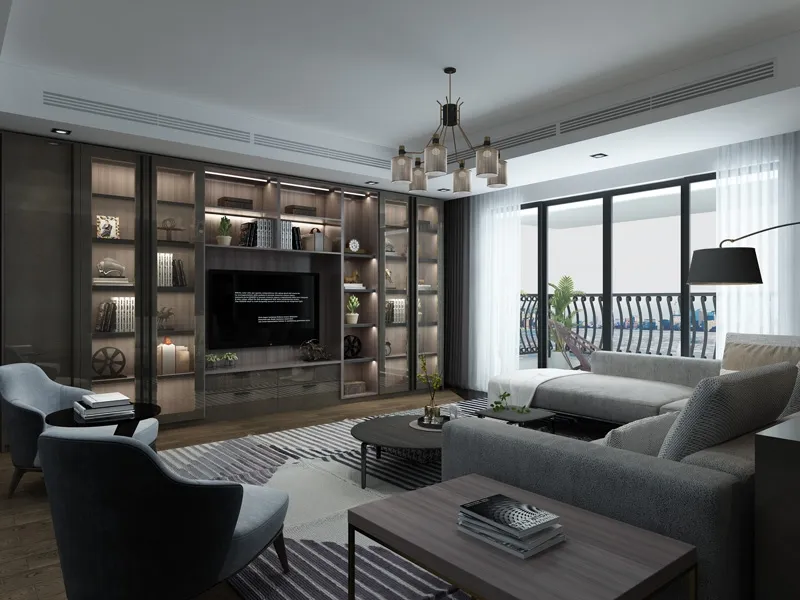
Hey there! If you're in the wholesale furniture game, you've probably felt that frustration when TV cabinet prices seem to dance around like pixels on a glitchy screen. One minute you're getting great deals, next thing you know – boom – prices shoot up faster than a hardcore gamer's adrenaline rush.
After digging into the industry chatter and manufacturer insights, I've mapped out the real deal on what moves these price points. Whether you're sourcing custom TV cabinets for hotels or standard units for big-box retailers, understanding these factors is like having cheat codes for your procurement strategy.
This is your character select screen. That gorgeous solid wood cabinet? It's like choosing the premium character skin – gorgeous but pricey. Engineered wood alternatives? They're your solid mid-tier option. Then there's the new-gen wood plastic wallboard composites – surprisingly durable, surprisingly affordable.
Pro tip: Bamboo and reclaimed woods are becoming the power-ups here. They score big on sustainability points without always breaking the bank. If you're ordering container-loads, talk to mills directly about bundled materials – gets you that 'buy in bulk' discount vibe.
Ever notice how handmade items carry that special aura? Same with cabinets. Workshops where carpenters hand-finish edges? That's artisanal quality with artisan price tags. Automated CNC setups? Think of them like optimized game engines – producing consistent quality faster and cheaper.
The sweet spot? Hybrid models where machines handle precision cuts and humans add those tactile finishes. Look for factories using modular designs too – lets you swap components like building blocks without redoing entire units.
Hidden compartments, motorized lifts, wireless charging pads – they're cool as cosmetic skins, but each feature adds development costs. I've seen distributors get carried away designing cabinets that look like sci-fi props when buyers just want clean lines and cable management.
Focus on must-have features first:
Save the RGB lighting and voice controls for premium batches where customers will actually pay the upgrade cost.
This is where wholesalers can really flex. Ordering 500 units instead of 50 isn't just about quantity discounts – it reshapes the entire production run. Manufacturers can optimize material usage like gamers optimizing polygon counts.
But here's the insider play: Staggered delivery schedules. Commit to large quantities but spread shipments. Factory gets financial security without warehouse pile-up, you get volume pricing without cashflow crunch. Win-win.
Shipping flat-pack cabinets? That's easy mode. Pre-assembled units? You're playing on hardcore difficulty. The packaging itself becomes a cost factor – heavy-duty cardboard for overseas shipping adds up faster than in-app purchases.
Regional sourcing matters too. Vietnam might offer 15% cheaper labor than China, but if shipping adds 20% to costs, you're behind. Use this calculation template:
(Material Cost + Labor) + Transport + Tariffs = Real Cost
Don't forget seasonality! Ocean freight during Q3 peak hits different than Q1 rates.
Right now, the leaderboards show two styles dominating: minimalist floating cabinets and rustic-industrial hybrids. But watch emerging stats – sustainable materials and modular designs are gaining XP fast.
The real meta-shift? Customization expectations. Brands offering modular add-ons see 40% less price resistance. Think:
Notice how this mirrors gaming culture? Players want to personalize their loadouts. Same with furniture buyers.
Remember 2021's lumber price surge? That was like an unexpected raid boss for furniture makers. Now we're seeing resin prices fluctuate like crypto.
Smart wholesalers don't just react – they anticipate. Setting price adjustment clauses in contracts protects both sides. Think of it like patch notes that maintain game balance.
Key indicators to track: Baltic Dry Index, lumber futures, and regional wage policy changes. Boring? Maybe. But knowing these gives you that strategic overlay vision.
Putting this all together, your procurement playbook should look like this:
select core materials with bulk discounts
Feature-gate complexity
Negotiate volume bonuses
Optimize packaging weight
The most successful players build relationships, not just transactions. Visit factories, understand their pain points, maybe even prototype together. That's how you unlock true wholesale synergies.
Navigating TV cabinet pricing isn't about finding one magic supplier. It's about understanding how all these systems interconnect – the material markets, labor pools, design trends, and logistics networks.
The best news? We're entering an era where quality and affordability don't have to be mutually exclusive. Between engineered wood composites and smarter manufacturing, the golden mean exists. Your next sourcing quest? Find partners who speak both cost-efficiency and craftsmanship languages.
Now go out there and negotiate like you've got god-mode enabled! And if you discover some next-level sourcing tricks, you know where to share them...
Recommend Products












