
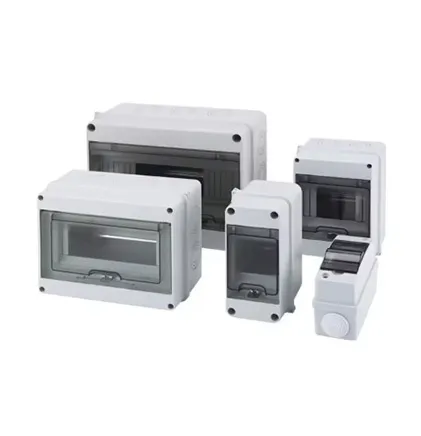
Picture this: You're standing in front of an electrical distribution box – that unsung hero humming away silently in basements or electrical rooms. What determines whether this vital hub keeps your building powered safely or becomes a catastrophic failure point? The answer lies in those gleaming copper bars tucked inside.
Many folks don't realize that selecting and testing copper bars isn't just an engineering specification checkmark – it's about understanding how electricity flows like lifeblood through a building. The right copper bar acts like a superhighway for electrons, while the wrong choice? That's the electrical equivalent of a collapsed bridge.
In this deep-dive, we'll cut through the technical jargon to explore how copper bars impact your daily life, even if you never see them. We'll unpack why size isn't the only thing that matters, how conductivity testing works in real-world applications, and what standards actually matter when your electrical systems demand reliable performance.
Copper's not chosen by accident in electrical systems. This reddish-brown metal has proven itself indispensable for three compelling reasons:
The key takeaway? Choosing copper isn't just paying for a premium material – it's buying decades of trouble-free operation and reduced fire risk. Those extra upfront dollars are an insurance policy written in atomic structure.
Not all copper is created equal. Understanding these variations determines if your distribution box will handle its demands for 20+ years:
Want to test your knowledge? Ask suppliers whether their stock is continuous-cast copper or wrought-copper. The casting method affects grain structure - small details that matter for high-current installations.
Too often, standards get reduced to dry reference codes. But understanding what hides behind those letter-number combinations reveals why they matter:
Cross-sectional area does more than handle current flow. Consider this thermal reality: every copper bar is an unintended heating element. Overload your system and...
The takeaway? Never size copper bars to nominal circuit capacity alone. Always build in thermal headroom like you would with engine horsepower.
That shiny copper finish isn't just for aesthetics. Oxidation begins the moment copper meets air:
The surprising twist? Surface preparation standards like ASTM B187 demand chemical cleaning before coating - something many fabricators skip to save pennies, creating early failure points.
Accepting manufacturer certifications blindly is like trusting a car's speedometer without road testing. Here's what real verification demands:
Why this non-negotiable method matters:
True scenario: We once tested "IACS 101%" bars from a supplier that measured just 97% with four-point testing. That 4% deficiency meant an extra 20°C heating in high-load conditions – the difference between nominal operation and early failure.
When we conduct thermal evaluations at our labs, we look for something counterintuitive:
Remember: Copper tells thermal truth better than any spec sheet can. Learn its visual language.
The bitter truth in our field? Even perfectly chosen copper fails at connections. Here's how to avoid the pitfalls:
Why bolted joints degrade in predictable patterns:
The lesson? Copper-bar choice must include its fastener system or the entire assembly becomes fatally compromised.
Torque wrenches belong in electrical work just like mechanics' bays:
Real-world tip: Always specify calibrated torque wrenches for installers - not impact drivers pretending to be precision instruments.
Walking through accident sites reveals predictable patterns:
Each leaves forensic clues that circle back to specification shortcuts. Document failures meticulously - they're tuition-free education.
Navigating the standards maze requires knowing which ones deliver real protection:
Insider perspective: Many manufacturers meet minimum IEC thermal limits at the expense of longevity. Demand 1500+ hour accelerated aging tests for critical applications.
Remember that hospital in Riyadh during the unprecedented heat wave? Their ICU backup system stayed online when others failed. Why?
The result? When surrounding hospitals battled system overloads at 49°C ambient, their system operated within tolerance with 20% capacity reserve.
As electrical demands evolve, copper bar selection must anticipate:
Forward-thinking solution: De-rate copper bars by one standard size and create airflow channels that permit future thermal growth without redesign.
Selecting copper bars for distribution systems might seem like mundane engineering work - until you've witnessed the aftermath of shortcuts taken. That flickering office light? The mysterious panel fire? These often trace back to unexamined copper choices.
True electrical resilience begins at this atomic level. By combining material science, physics, and foresight, we create systems that protect lives silently for generations.
Next time you see an unremarkable distribution box humming in a corner, appreciate the extraordinary material science and standards work contained within. Those copper bars represent engineering integrity - carrying power through decades without fanfare or failure.
Recommend Products












