
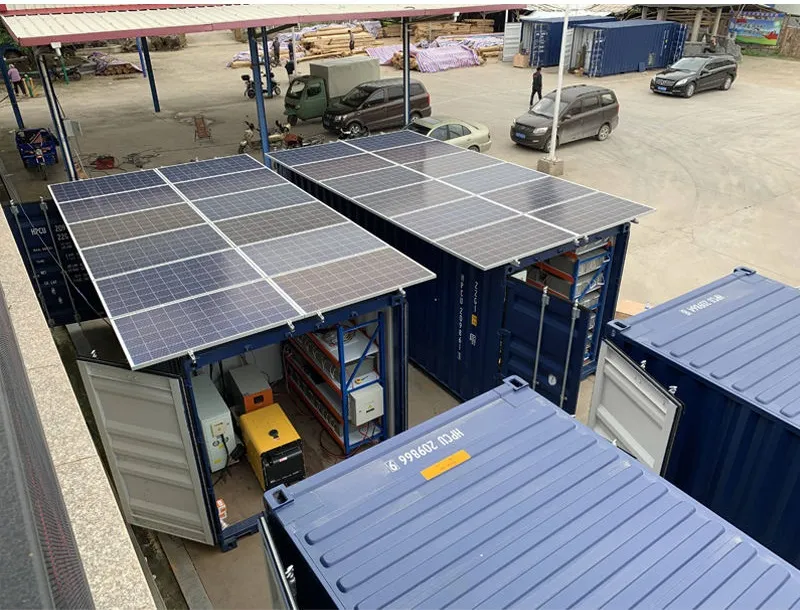
Imagine living in a country where the sun shines almost every day – a place so naturally blessed with solar energy that it could power entire cities for free. Well, that's exactly what Brazil has, and we're finally starting to tap into this golden opportunity. As someone who's been following the renewable energy scene here for years, I can't help but feel excited about how solar power is changing lives from the favelas of Rio to the coffee farms of Minas Gerais.
Back in 2012, something revolutionary happened – Brazil's electricity regulator ANEEL introduced Resolution 482 , a policy that sparked our solar revolution. This wasn't just some bureaucratic document; it was a permission slip for ordinary Brazilians to become energy producers. Picture your neighbor installing solar panels on their roof not just to save money, but actually earning credit for the extra power they send back to the grid. That's the dream becoming reality.
"Distributed solar power systems aren't just about technology – they're about empowering communities and rewriting Brazil's energy story from the ground up."
We're witnessing nothing short of an energy rebellion. While other countries debate climate policies, Brazilians are quietly installing more solar capacity each year than most nations manage in decades. It's personal for many families – I've met retirees using their pension savings to install panels, knowing they'll never pay another electricity bill. That's real financial freedom.
Let me paint you a picture of our solar journey with some numbers that still blow my mind:
Average annual growth rate since Resolution 482 took effect
Current installed capacity – enough for 5 million homes
Of distributed generation comes from solar panels
What's driving this solar love affair? Frankly, it's a mix of frustration and opportunity. We all know the pain of opening those electricity bills each month – it feels like being held hostage by outdated infrastructure. When I installed my first panels back in 2015, my neighbors thought I was crazy. Now they're asking for installer recommendations!
The price drop has been nothing short of miraculous. Remember when solar panels cost more than a compact car? Nowadays, a decent residential system costs less than a high-end motorcycle. And with financing options popping up everywhere, going solar feels more like getting a phone plan than making a lifetime investment.
But here's what many outsiders miss – this isn't just rich neighborhoods going green. I've seen solar transformers being installed in remote Amazonian communities that never had reliable electricity before. Solar isn't just saving money – it's replacing dangerous diesel generators and literally saving lives with refrigeration for medicines.
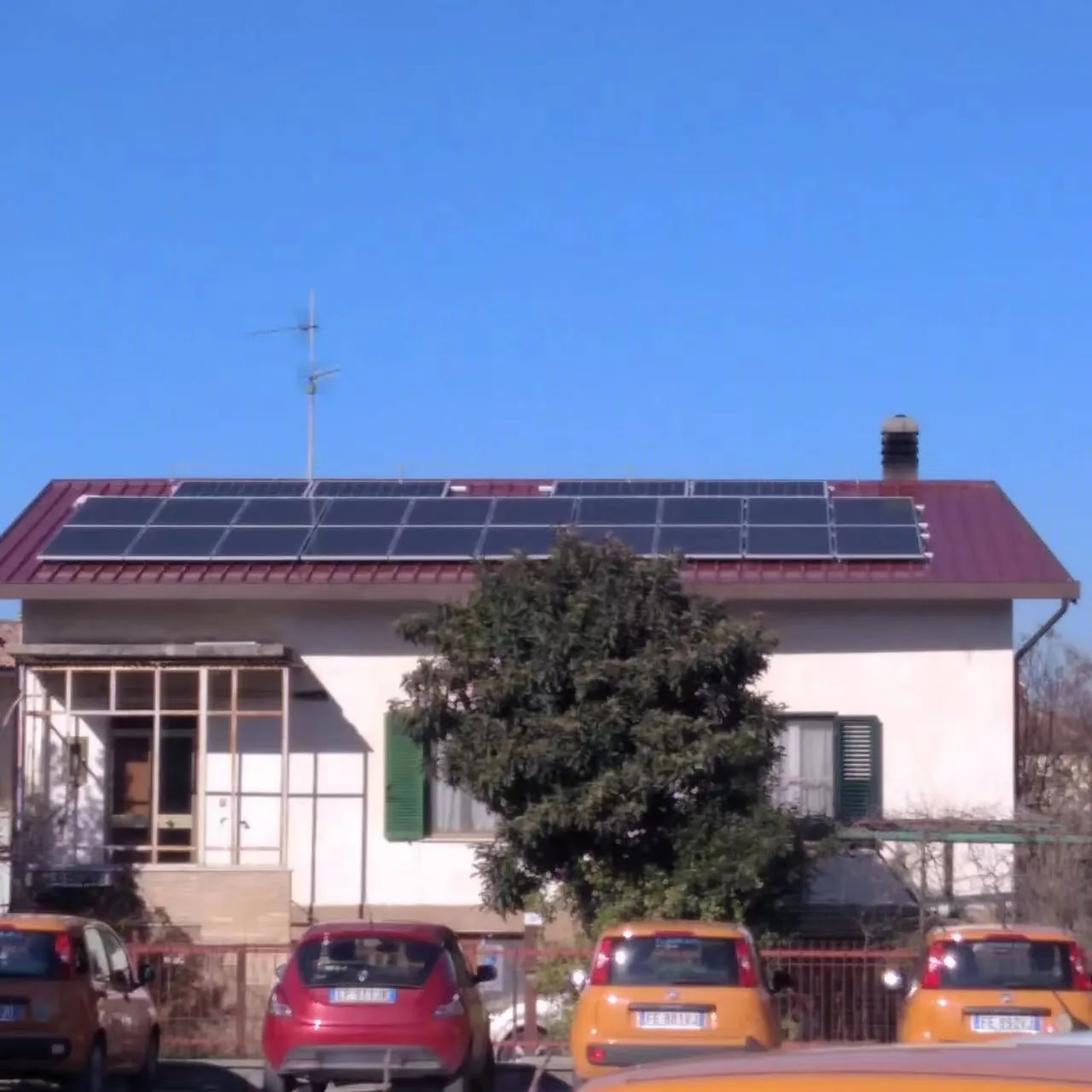
Creating solar distribution channels in a country as vast as Brazil is like trying to wire the entire Amazon rainforest. The challenges are enormous, but so are the opportunities:
Our grid was built for big, centralized power plants – not thousands of mini-power stations feeding in from rooftops. It's like retrofitting a horse-drawn carriage to be an electric vehicle. I've spoken with engineers who describe Brazilian substations sweating under unexpected solar loads on sunny afternoons. We're playing catch-up with technology that's evolving faster than our wires can handle.
And let's talk geography! Supplying panels to Manaus means navigating barges up the Amazon. Getting equipment to mountain towns in Minas Gerais requires trucking through roads that wash out in rainy season. We've had shipments delayed for weeks – imagine the frustration when families are waiting to turn their sunlight into savings.
Navigating Brazil's energy regulations requires the patience of a saint and the persistence of a lawyer. The famous Resolution 482 was just the starting gun, not the finish line. Each state interprets rules differently, and the paperwork required makes applying for a passport seem simple.
Taxation is another headache. Why are we taxing the equipment that will help families save electricity for decades? It's like charging extra for water filters during a drought. Industry groups are fighting for exemptions, but progress moves at bureaucratic speed.
"Creating distribution channels isn't just logistics – it's about building bridges between policymakers in Brasília, manufacturers in China, and families in Fortaleza."
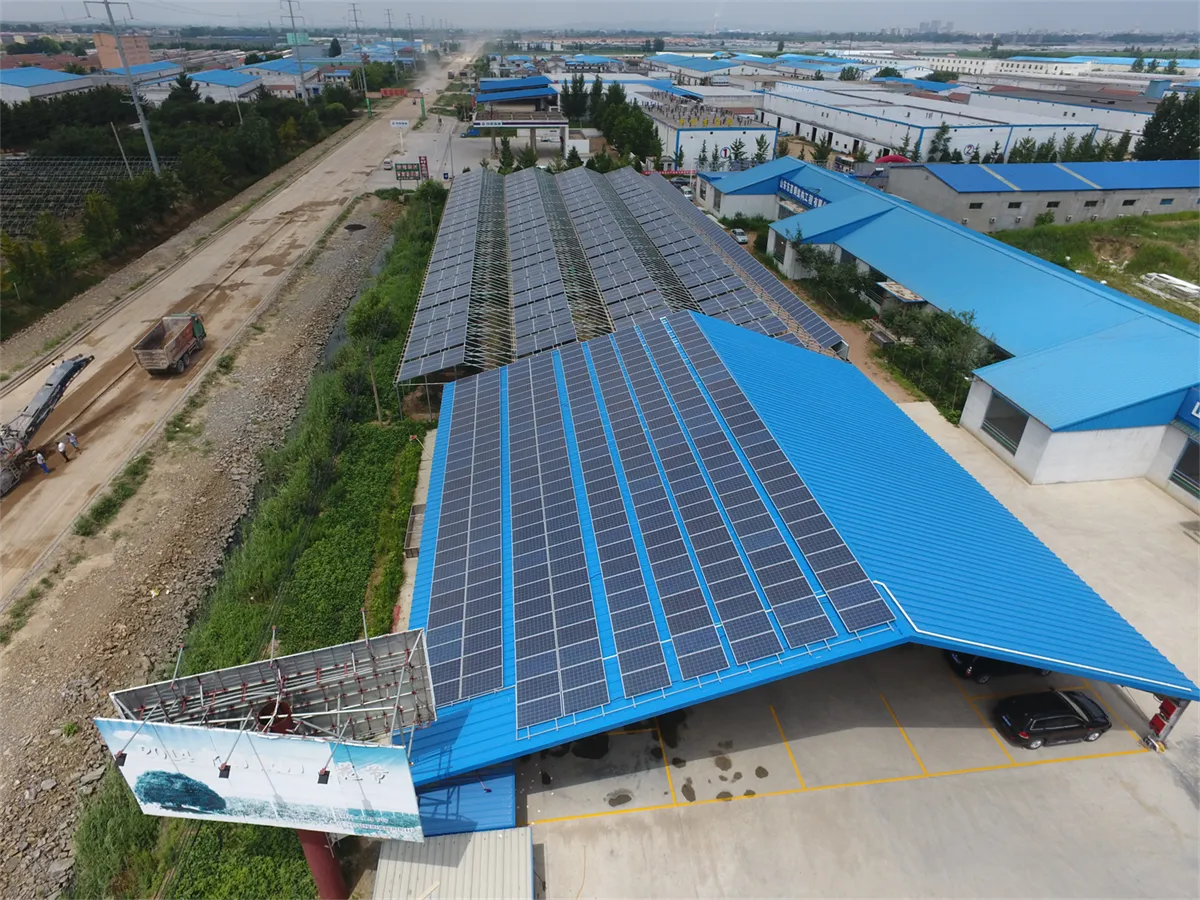
Despite the hurdles, brilliant distribution strategies are emerging across Brazil:
In smaller towns, I'm seeing something beautiful – local electricians becoming solar champions. Take Carlos in Bahia. He started installing panels for neighbors after taking a weekend course. Today, he runs a team of six and has solarized half his village. These micro-distributors understand their communities better than any corporate sales team ever could.
Online marketplaces are changing the game. Want solar panels? Compare prices on your phone, get financing approved in minutes, and track your installer like an Uber. Startups are cutting through red tape with digital permitting platforms – what took weeks now happens in days. This tech revolution is making solar accessible even in favelas where traditional distributors feared to tread.
Major retailers are finally embracing solar. Walk into a building materials store in São Paulo today, and you'll find solar displays next to bathroom tiles. Some offer installation packages – buy your panels like you'd buy a new air conditioner. This mainstreaming is crucial for building trust in solar technology.
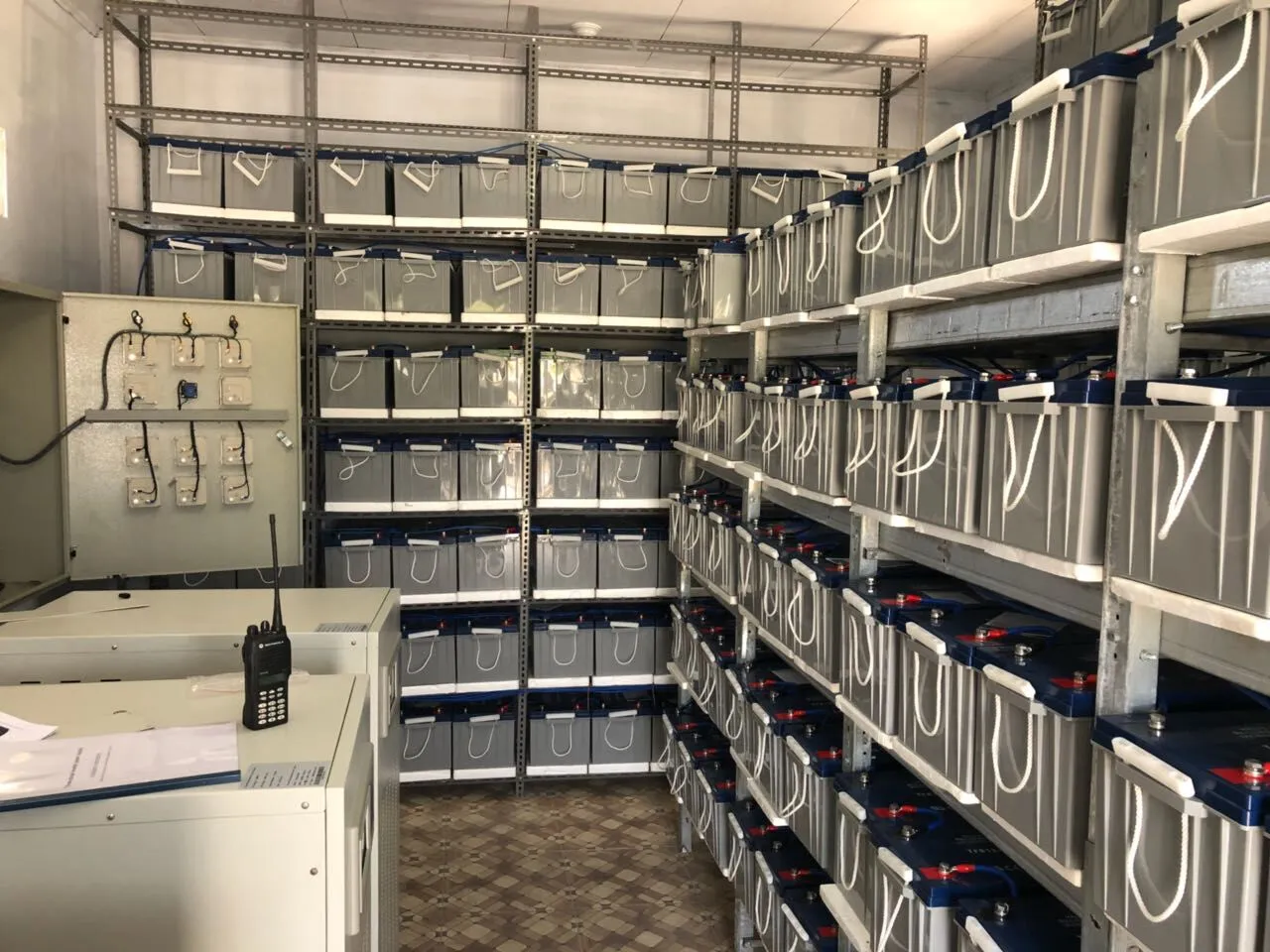
As I look ahead, three developments excite me most:
Community Solar Gardens: Not everyone has a sunny roof. That's why shared solar projects are popping up where communities invest together. I recently visited a project in Rio where an entire favela shares a solar array on a nearby hill – reducing bills for hundreds who couldn't afford individual systems.
Agrovoltaics: Combining farming with solar makes perfect sense in Brazil. Picture coffee plants growing under elevated panels that provide shade while producing energy. Early tests show increased yields and dual income streams for farmers. This could revolutionize rural economies.
Storage Solutions: Batteries are the missing puzzle piece. Once affordable storage arrives, solar owners won't just reduce bills – they'll achieve true energy independence. I've seen prototype systems in Recife that could keep homes powered through blackouts using nothing but daytime sunshine.
"The true power of distributed solar power systems isn't in the kilowatts they produce, but in the economic justice they deliver to energy-poor communities."
At its heart, Brazil's solar movement isn't just about technology or policy – it's about reimagining energy as something we create together rather than something we buy from distant corporations. Every panel installed represents a small revolution against energy poverty and climate despair.
As we build these distribution channels nationwide, we're creating something more valuable than infrastructure – we're building resilience. When the next drought hits hydropower-dependent regions, solar homes will keep the lights on. When global energy prices spike, Brazilian families with panels will barely notice.
The path forward requires partnerships between government, entrepreneurs, communities, and global manufacturers. But as I've witnessed firsthand – when Brazilians set their mind to something, whether it's winning World Cups or harnessing the sun, we find a way to make it happen.
So here's my invitation: Next time you're frustrated by your electricity bill or worried about climate change, look up at that brilliant Brazilian sun and remember – the solution is literally shining down on us. The distributed solar revolution isn't coming; it's already here, one rooftop at a time.
Recommend Products












