
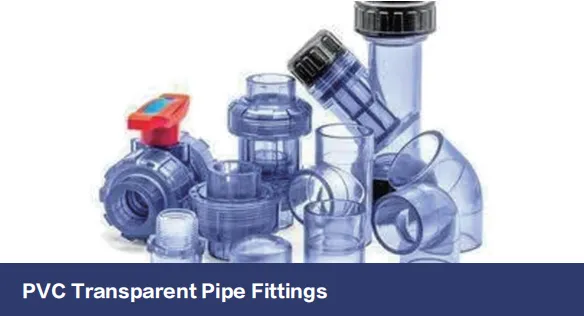
The modernization era demands see-through efficiency! When upgrading plumbing systems, transparent PVC fittings act like windows into your infrastructure, granting unparalleled visual diagnostics while maintaining structural integrity.
Visual access transforms pipe maintenance from guesswork to precision. The emergence of see-through PVC represents not just material innovation but a philosophical shift toward transparent infrastructure. Picture monitoring chemical flows in pharmaceutical labs or tracking water quality in aquaculture tanks without disrupting operations. Modern renovations increasingly incorporate transparent sections as diagnostic windows.
When expanding existing systems, the ability to visually confirm flow patterns becomes invaluable. Operators instantly detect sediment buildup, air pockets, or contamination issues - impossible with opaque pipes. For chemical processing plants expanding production lines, this visibility reduces downtime during integrations. Maintenance teams praise clear fittings for simplifying pressure tests and leak detection during renovations.
Renovating piping networks requires specialized joining methods that preserve visual access while ensuring perfect seals. These techniques turn complex retrofits into manageable projects.
The chemical fusion method creates permanent, leak-proof bonds by partially dissolving the polymer chains. For retrofit projects:
Aquarium system upgrades particularly benefit from this invisible bonding technique when adding new filtration branches.
Smart fittings with embedded heating elements revolutionize system expansions:
Water treatment plants now incorporate these when expanding filtration bays.
When temporary or adjustable connections are needed:
Hydroponic farm expansions favor these for their reconfiguration flexibility.
Unique components solve common retrofit problems while preserving visual access:
Bridge existing systems with new transparent lines using hybrid connectors. Graduated transition sleeves prevent turbulence at junctions between pipes of different diameters. The acrylic-reinforced collars maintain clarity under pressure fluctuation.
When adding branches to existing mains, optical-grade tees with precision-angled flow channels prevent sediment buildup at intersections. These enable new lab instrument integration without full system replacement.
Radically redesigned 45° and 90° bends with turbulator ridges that maintain laminar flow. Ideal for fitting compact equipment into crowded mechanical rooms during facility upgrades.
Precision installation preserves optical clarity and system integrity:
The true power of transparent systems emerges during routine maintenance:
Technicians immediately spot early warning signs: color changes indicating chemical reactions, mineral deposits forming at low-flow points, or biological growth. Thermal imaging overlays reveal temperature anomalies invisible to the naked eye.
Modern systems combine transparent sections with smart sensors:
These predictive capabilities significantly extend system lifespan after expansions.
Philadelphia's water authority used clear transition fittings when modernizing treatment plants. Operators now visually verify filter backwash effectiveness saving 800 annual inspection hours.
Stanford's research center expansion utilized transparent piping for reagent distribution. Chemists continuously monitor solution purity, with the system preventing four potential cross-contamination incidents in its first year.
The evolution continues toward smarter infrastructure:
Transparent PVC represents a commitment to operational visibility - literally. These systems transform renovations from disruptive events into opportunities for creating more observable, maintainable, and efficient infrastructure. They're helping engineers build the plumbing equivalents of glass-bottom boats - systems where nothing remains hidden.
Recommend Products












