
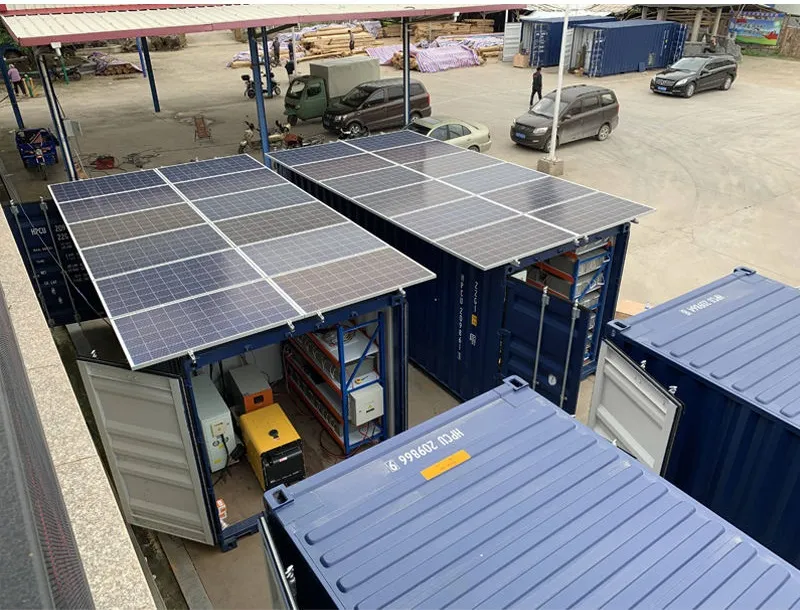
Imagine walking down a neighborhood street at twilight. As daylight fades, solar street lights gently awaken like fireflies, casting warm pools of light on the pavement. This daily magic isn't accidental—it's engineered through precise configuration parameters working in silent harmony. Let's explore what makes these sustainable sentinels tick.
Modern solar street lighting isn't just about sticking a panel on a pole. It's an elegant dance between nature's generosity and human ingenuity. The parameters governing these systems are like sheet music—each value carefully composed to create reliable illumination night after night. As we explore these technical specifications, you'll discover they tell a human story of sustainability, resilience, and thoughtful design.
Sunlight → PV Panel → Charge Controller → Battery → LED Fixture → Illumination
Like a living organism, solar street lights breathe in sunlight and exhale illumination. Each component speaks to the others through parameters that determine performance. When these values sing in harmony, you get consistent light that feels almost alive. When they're out of tune? That's when frustration sets in with flickering or dark nights.
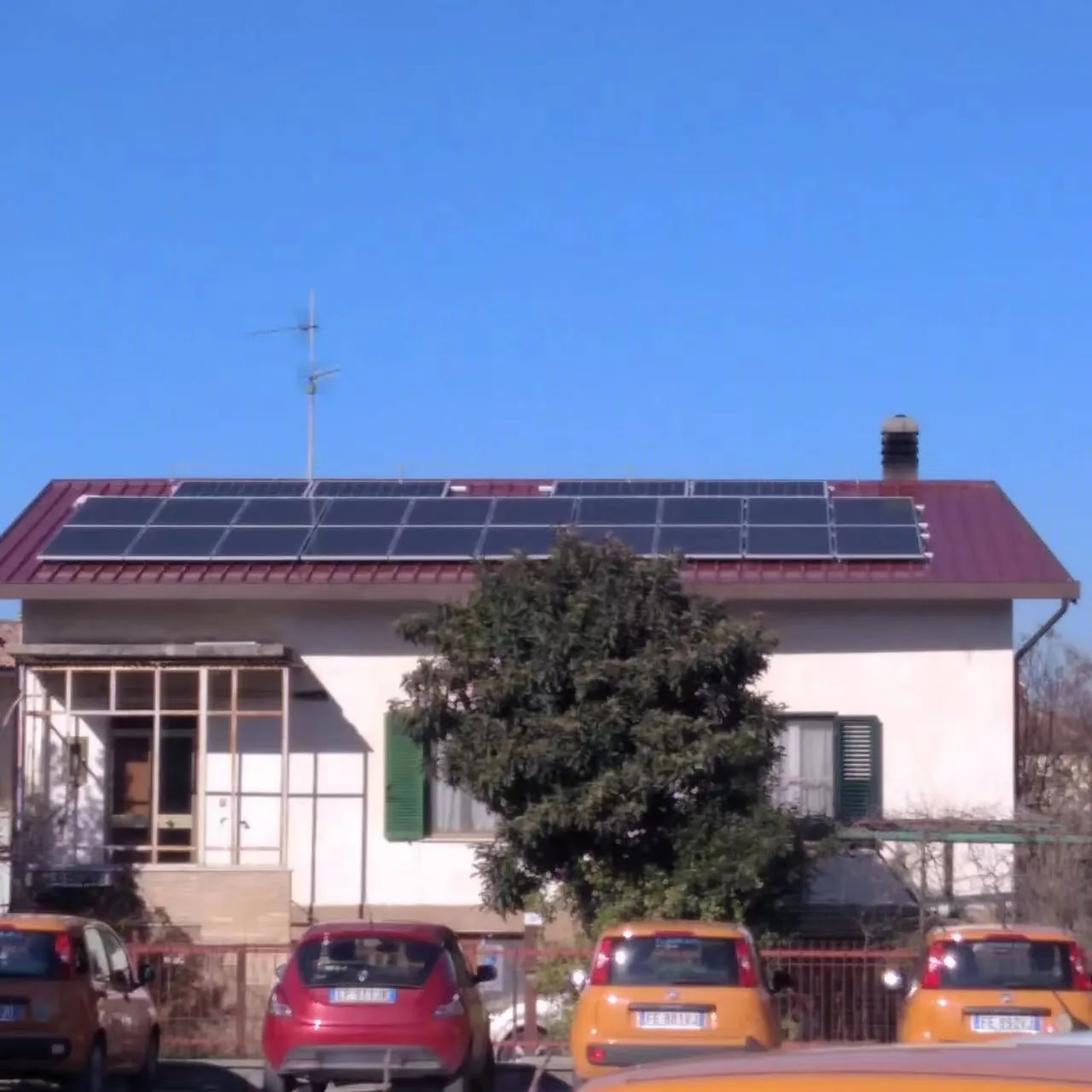
| Parameter | Typical Value Range | Human Impact | Tuning Considerations |
|---|---|---|---|
| Solar Panel Wattage | 80W-300W | Determines energy intake - like sizing a water reservoir for dry spells | Sunlight availability, dust accumulation, seasonal angle changes |
| Battery Capacity | 75Ah-250Ah | Nighttime endurance - stores sunshine like precious memories | Autonomy days required, depth of discharge limits, temperature effects |
| LED Luminous Efficacy | 130-180 lm/W | Light quality - transforms electrons into visible comfort | Beam pattern requirements, color rendering needs, thermal management |
| Discharge Depth | 60%-80% | Battery lifespan - how much energy 'reserve' remains like emergency savings | Battery chemistry, cycle life targets, warranty considerations |
| Smart Control Thresholds | 2-100 lux | Responsiveness - senses darkness like eyelids adapting | Ambient light pollution, seasonal variation, security needs |
These aren't just dry numbers. That 60% discharge limit? It's the equivalent of never letting your car's fuel gauge drop below quarter tank—it's an act of care that extends system life. The lux settings? They're the streetlight's sensitivity to twilight, calibrated to your community's rhythm.
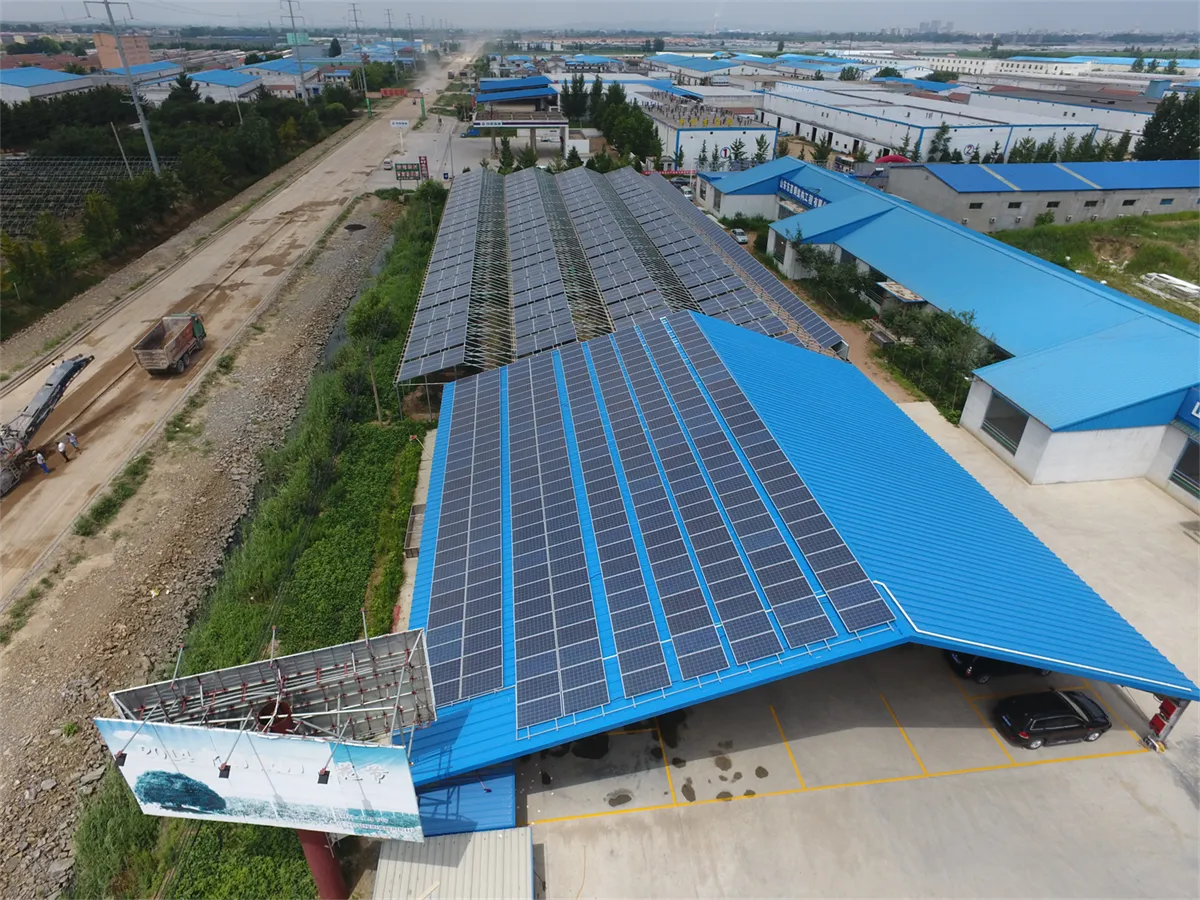
Behind every reliably lit street is a silent symphony of calculations:
Battery Sizing Formula:
(Nightly energy demand × Autonomy days) ÷ (Discharge depth × System efficiency)
Example:
(120Wh × 3 days) ÷ (0.7 × 0.85) ≈ 605Wh capacity
This math creates comfort. When these numbers align just right, the system carries communities through stormy weeks like a trustworthy friend holding an umbrella. Get them wrong? That's when the lights leave people literally in the dark.
Installation teams often develop an almost intuitive feel for these values—like chefs knowing ingredients without measuring cups. One seasoned technician described tuning battery thresholds as "teaching the system to ration moonlight." That beautiful anthropomorphism emerges when parameters stop being abstract and start serving human needs.
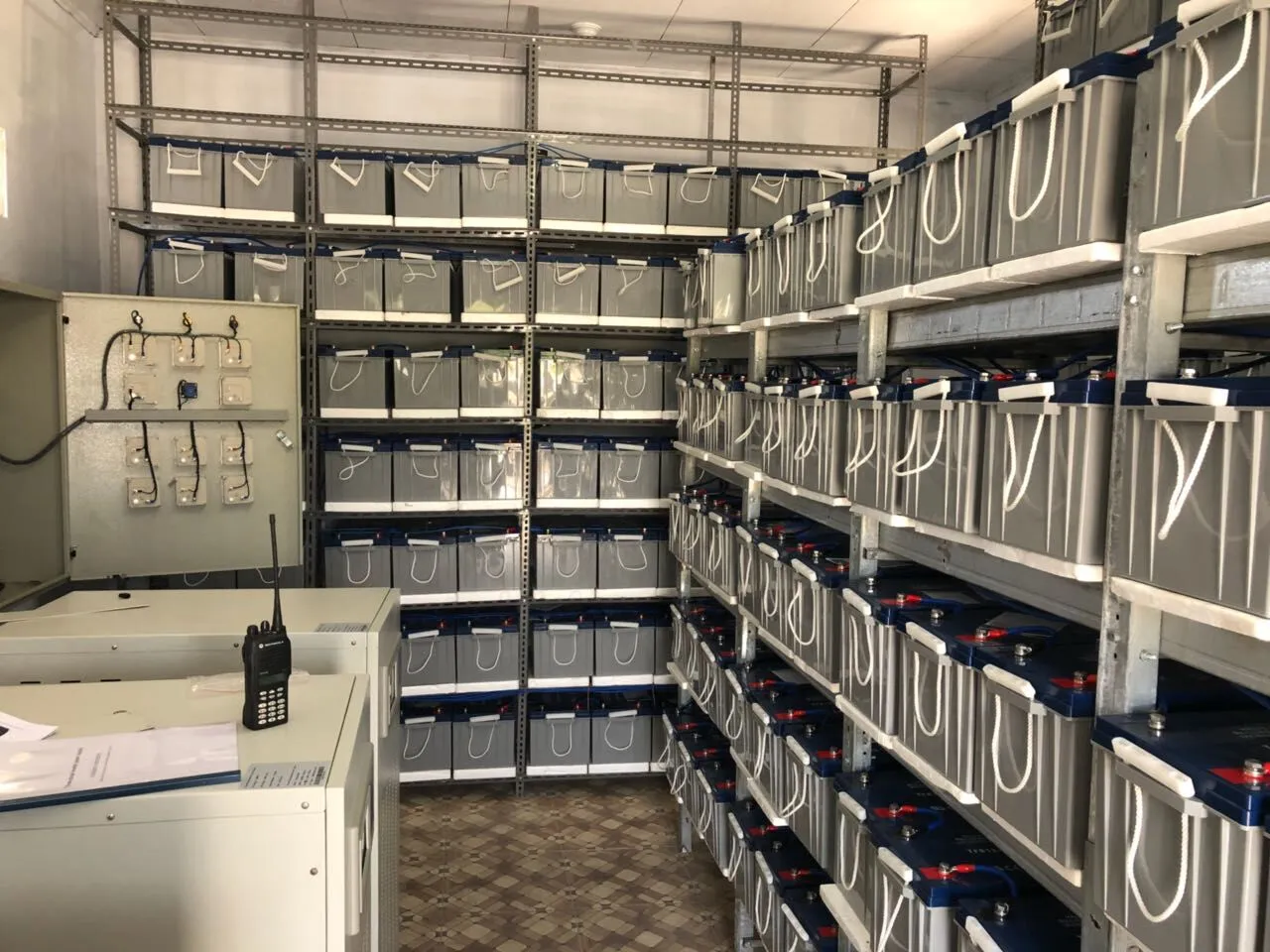
Modern controllers transform rigid parameters into responsive intelligence. Consider adaptive lighting profiles:
In coastal towns using commercial solar panels , these features become community guardians. Fishermen appreciate the motion-triggered brightness lighting their pre-dawn walks to docks. Neighbors love the gentle midnight dimming that keeps bedrooms dark but pathways visible—a perfect blend of security and sleep.
| Smart Feature | Energy Savings | Human Experience |
|---|---|---|
| Motion Responsive | 35-60% | Feels attentive and vigilant |
| Seasonal Timing | 22-30% | Respects natural rhythms |
| Remote Monitoring | 10-15% | Creates maintenance peace of mind |
Consider a mountain village where engineers set the "winter tilt" at 55° instead of the typical 35°. That simple parameter adjustment harvested enough extra light to maintain illumination despite heavy snowfall. For residents, it meant safe walks to school instead of treacherous dark paths—a numerical value translating directly to community safety.
Or the urban park where color temperature parameters became an emotional choice. The team selected 3000K instead of 5000K after community feedback. The result? Warmer light that made evening strolls feel welcoming rather than clinical—a reminder that technical specs shape emotional landscapes.
Even perfectly parameterized systems need occasional care. Seasonal maintenance tasks become acts of stewardship:
These rituals ensure parameters remain effective. A maintenance tech in Arizona shares: "When I clean panels before monsoon season, I'm helping store extra sunshine like preserves for winter. The batteries need that reserve."
Emerging technologies add nuance to parameter management:
AI Predictions:
Algorithms that learn usage patterns and weather history
Self-Healing Networks:
Lights that reroute power around faulty units
Ambient Responsiveness:
Auto-dim during full moons like considerate neighbors
Tomorrow's parameter tables might include "community activity scaling" or "emergency response mode." As these systems grow more perceptive, the numbers fade into the background while the human experience shines brighter.
Solar street light parameters form a language between nature and technology. Those wattage ratings, discharge depths, and lux thresholds? They're love letters to sustainability, safety, and community wellbeing. Each value represents countless hours of engineering care packaged into simple numbers.
The true magic happens when communities never need to think about these parameters—when the lights simply work as reliably as sunrise. In those moments, the numbers dissolve into experience: children cycling safely home, neighbors chatting under gentle illumination, shopkeepers securing their stores. These are the stories written between the lines of parameter tables.
So next time you walk under a solar street light's glow, remember the hidden harmony of values making it possible. That soft light represents not just engineering precision, but humanity's thoughtful partnership with nature—one perfectly tuned parameter at a time.
Recommend Products












