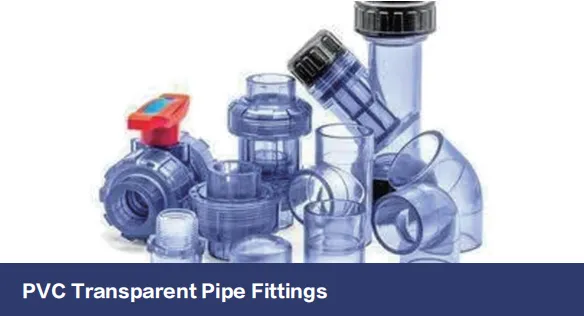
Look, let's cut to the chase - when you're building anything from a cool science experiment to a high-end industrial setup, picking the right PVC transparent pipe fittings isn't just shopping. It's like choosing the right tool for a job that absolutely has to get done right. I've seen too many projects go sideways because someone grabbed the first clear pipe they found without really thinking it through.
What you'll get here:
No fluff, no confusing jargon - just straight talk about how to match your specific project needs with the right clear PVC solution. We'll break down material types, sizing tricks, installation do's and don'ts, and how to make sure your setup actually lasts. And hey - we're fitting this all into one place so you don't have to hunt through a dozen sites.
1. Matching Your Project Personality to Pipe Personality
Picture this - you wouldn't use the same wrench to fix a watch and an 18-wheeler, right? PVC pipes work the same way:
The Science Hobbyist Setup
Remember that cool volcano experiment in middle school? Modern science projects are way beyond baking soda reactions. If you're building fluid dynamics demos or biology monitoring systems:
-
Size smart:
Half-inch to 1-inch diameters usually hit the sweet spot
-
Material matters:
UV-resistant SCH40 avoids nasty yellowing
-
Pro tip:
Ball valves let you pause experiments without disassembly
The Aquatic Environments
Whether it's your koi pond, reef aquarium, or commercial hydroponics:
-
CPVC is king for warm water applications
-
Y-strainers keep gunk out of filtration systems
-
Unions = lifesavers when you need quick access
-
Watch out:
Some algae treatments react with certain PVC blends
Industrial Grade Needs
This is where cost-cutting comes back to bite. For manufacturing plants or chemical transfer:
-
Schedule 80 for pressure, SCH40 for visibility
-
NSF-61 certified materials for consumables
-
Consider O-ring sealed fittings over cement
-
Big mistake I've seen:
Using drain pipes for pressurized chemical lines
|
Project Type
|
Pipe Grade Recommendation
|
Must-Have Fittings
|
|
Science Labs/Education
|
SCH40 Clear PVC
|
Ball valves, couplings, stand clamps
|
|
Aquatic Systems
|
UV-Stabilized CPVC
|
Y-strainers, unions, slip tees
|
|
Industrial Applications
|
SCH80 PVC-O
|
Full-port valves, reinforced wyes
|
2. Material Matters: PVC's Identity Crisis
Let's get something straight - not all "clear plastic pipe" is created equal. This stuff comes with identity issues:
The Standard Performer: SCH40
This is your go-to 90% of the time:
-
All-star for: DIY projects, moderate-pressure systems, displays
-
Limitations: Max temp ~140°F, medium pressure tolerance
-
Cost friendly:
Starts around $6/foot for 1" diameter
-
Reality check:
Thinner walls mean easier cutting but less crush resistance
The Heavy Lifter: SCH80
When your system can't afford failure:
-
25-30% thicker walls than SCH40
-
Handles steam and higher PSI loads
-
Tradeoff: Reduces interior visibility slightly
-
Budget impact:
Nearly double the cost of SCH40
The Specialist: CPVC
When heat becomes your enemy:
-
Performs reliably up to 200°F
-
Mandatory for recirculating hot water systems
-
Chemical resistance edge over standard PVC
-
Caveat:
Needs specific solvent cements
Material Selection Rule:
Always choose one grade above what the specs suggest if you're working with fluctuating temperatures or vibration. That extra margin prevents "why is there water everywhere?!" moments at 3AM.
3. The Hardware Store: Fitting Choices Decoded
All those elbows and tees? They're the real heroes holding everything together. Here's what actually matters:
Your Core Connection Crew
-
Elbows (90° & 45°):
The go-to direction changers
-
Tees:
Distribution points for flow splits
-
Couplings:
Invisible menders joining pipe sections
System Access Architects
-
Unions:
Game-changers for maintenance access
-
Ball valves:
Immediate flow control for emergencies
-
Male adapters:
Threaded transition points to equipment
The Unsung Heroes
-
Y-strainers:
Debris catchers protecting downstream parts
-
Wyes:
Smoother flow than tees for drainage systems
-
Caps:
Safety blanks during testing phases
Installation Truth Bomb:
Always mock up connections dry before cementing. Seeing how fittings actually play together prevents "alignment errors" that cause leaks.
4. Real Talk: Daily Practical Challenges
Nobody explains the stuff that goes wrong until it's already a problem. Let's get ahead of common headaches:
The UV Problem
That crystal-clear pipe turning banana yellow? It's avoidable:
-
UV-stabilized PVC contains protective additives
-
Window film coatings for exposed applications
-
Proactive replacement scheduling for non-stabilized pipes
-
Replacement cost reality:
Changing pipes later costs 4X more than UV-protection upfront
Chemical Surprises
Just because it's PVC doesn't mean it's chemical-proof:
-
Acetone = instant pipe destroyer
-
Certain algae treatments cause brittleness
-
Saltwater systems need marine-grade materials
-
Test first:
Always soak a scrap piece 24 hours before full install
The Pressure drop Illusion
That pump not performing like advertised? Fitting choice affects flow:
-
90° elbows add 3x more resistance than 45°
-
Tees and wyes cause turbulence at junctions
-
Interior burrs from cutting reduce flow
-
Pressure budget:
Account for 10-15% head loss from fittings
5. Doing It Right: The Installation Playbook
Even the best pipe fails with bad installation. Do it once, do it properly:
Prep Stage:
-
Cut with fine-tooth saws - not utility knives
-
Deburr inner/outer edges religiously
-
Dry-fit EVERY component before gluing
Cementing Protocol:
-
Apply primer sparingly - just enough to soften
-
Coat both surfaces but don't create drips
-
Push and QUARTER-TURN fittings - don't just slide
-
Hold position firmly for 30 seconds
The Cure Fallacy:
-
Weather affects cure times - humidity is glue enemy #1
-
Pressure testing shouldn't happen before 24 hours
-
24-hour full cure before chemical exposure
Critical Fix:
If your cement smells like bananas? That's the wrong formula. Clear systems need clear solvent cement to maintain visibility at joints. Colored cement leaves cloudy residue.
6. Future-Proofing Your System
Nobody wants to rip things apart in 6 months. Smart decisions today save weekends later:
The Access Play
Strategic unions create service points:
-
Every equipment connection point
-
Before and after critical valves
-
Long run mid-points
-
Cost-benefit:
Each union adds $7-20 but saves hours of disassembly time
Sizing Up
That "just enough" flow today bottlenecks tomorrow:
-
Size pipes for 30% more capacity than current needs
-
Future T-ports with capped outlets
-
Spare length allowances at termination points
-
Flow math:
Doubling pipe diameter increases capacity 4X
Documentation Discipline
Photos aren't optional - they're insurance:
-
Photograph before covering runs
-
Mark fitting positions on pipe surfaces
-
Maintain solvent batch numbers
-
Secret pro move:
Bury PVC sleeves around pipes under concrete
Wrapping It Up: Your Choice Decides Success
Here's what separates functional systems from headache machines:
-
Match material to operating conditions:
PVC-U for cold, CPVC for hot
-
Respect size and pressure relationships:
Smaller = faster flow but higher friction
-
Install with access foresight:
Unions are regret insurance
-
Chemistry matters:
Verify compatibility lists BEFORE exposure
-
Protect your visibility investment:
UV stabilization isn't optional outdoors
The best projects combine the right components with thoughtful planning. What makes clear PVC piping solutions transformative isn't just seeing what's inside - it's understanding how to build systems that last without losing that visibility to time, chemicals, or sun damage. That's what transforms a working setup into a truly resilient system.
Next time you're holding that clear pipe section, don't just see a plastic tube. See a system component with specific properties, limitations, and possibilities. That's when you start building like a pro.