


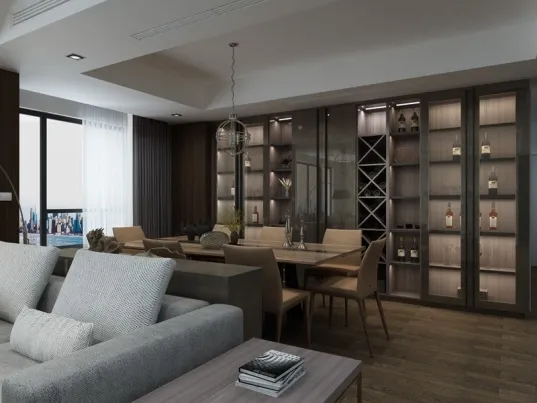
Why a Built-In Wine Cabinet Changes Everything
Picture this: You've just come home with that special bottle of Pinot Noir you've been saving. Instead of cramming it in the kitchen cabinet beside cereal boxes, you glide open your custom-built wine cabinet. The interior lighting bathes the bottles in a soft glow, the temperature reads a perfect 55°F, and your collection stands organized like a sommelier's dream. This is what proper wine storage feels like.
Beyond Aesthetics: Built-ins maintain 50-70% humidity levels to prevent corks from drying out and guard against light exposure that degrades wine quality. A 2023 Wine Spectator study showed properly stored wines maintain value 40% longer!
Planning Like a Pro: More Than Just Measurements
Choosing between under-counter or freestanding units isn't just about square footage. Consider these often-overlooked factors:
| Location Factor | Ideal Condition | DIY Red Flags |
|---|---|---|
| Temperature | 55-58°F (±2° fluctuation) | Near ovens/dishwashers |
| Vibration | Minimal (avoid laundry areas) | On load-bearing walls |
| Sunlight | Zero direct exposure | South-facing walls |
Pro Tip:
Run a mock layout with painter's tape for 48 hours. Notice if household traffic bumps into it or if you instinctively avoid the area. Better to catch flow issues before cutting wood!
Material Matters:
For coastal climates, consider wood plastic decorative material which resists humidity damage better than solid wood. Budget-conscious vintners can use laminate fronts with aluminum decorative trims for luxury appeal.
The Installation Playbook: Step-by-Step
A. Framing Fundamentals
-
Wall Surgery 101:
Cut drywall 1" wider than cabinet dimensions. Check for pipes/wires with a $20 stud finder - hitting a water line could cost more than your entire wine collection!
-
Reinforcement Tactics:
Add horizontal 2x4 braces between studs at shelf-height points. These hidden bones prevent sagging under bottle weight.
B. Climate Control Essentials
⚠️ Critical Check: Many cheaper coolers cycle compressors too aggressively. Look for units with Thermoelectric cooling technology for vibration-free operation.
C. The Finishing Touches
5°-10° forward tilt keeps corks moist
Double-seal silicone gaskets prevent cool air leaks
"I Wish I Knew": Costly Oversights
Forgetting Expansion Gaps
Wood expands seasonally! Leaving 1/8" gaps around panels prevents summer humidity from buckling doors.
Wrong Glass Specifications
Standard 1/4" glass flexes under weight. Opt for 3/8" tempered glass which costs $25 more but handles 120lbs per shelf.
The Budget Reality Check
Maintaining Your Liquid Investment
Weekly
Wipe seals with vinegar-water solution
Monthly
Vacuum condenser coils behind unit
Yearly
Recalibrate thermostat with digital thermometer
"The joy isn't just in drinking well-preserved wine – it's in the pride every time you open that cabinet. Like a bookshelf displaying favorite novels, your collection becomes a living museum of memories."
Your Next Step: Watch cabinet temperature for 72 hours before loading bottles. If it holds steady ±1°F through night/day cycles, pop that Champagne – you've earned it!










