
You're sitting on a goldmine of solar panel technology ready for international markets, but the red tape around sanctioned regions feels like navigating a minefield blindfolded. Between shifting trade restrictions and compliance black holes, even seasoned exporters get the jitters.
I've seen too many promising solar ventures stall because someone underestimated how personal sanctions screening could get. Remember when BrightSun Tech got slammed with $2M in penalties? All because they skipped a simple third-party verification step. Ouch.
This guide pulls back the curtain on building a bulletproof compliance framework that actually works in the messy reality of renewable energy exports. Not just theoretical fluff – but battle-tested strategies I've seen transform vulnerable solar suppliers into sanction-proof powerhouses.
Think of sanctions compliance like a multi-layer security system – miss one sensor and the whole thing collapses. The most successful solar exporters I know treat this as their core business function, not just some legal afterthought.
Remember when Volta Solar made sanctions training mandatory for C-suite? That's what I call leading from the front. Their CEO does quarterly compliance town halls – no hiding in corner offices here. That kind of buy-in ripples through the entire company culture.
Let me tell you about SunTech's automated record-keeping. They went from cardboard boxes of invoices to AI-powered audit trails that instantly surface transaction histories. Their secret? Building for OFAC's 10-year lookback window from day one.
Here's the unspoken truth: Mistakes happen even to the best. The winners follow EcoFlow's approach – they reward self-reporting. Found a potential violation? Their internal system flags it without pointing fingers, turning liabilities into compliance learning moments.
For solar suppliers in sanctioned zones, every panel shipment is a tightrope walk. Top performers like Helios Power don't just check lists – they monitor license expiration dates like hawkish guardians using simple dashboard alerts.

Market selection feels like choosing which iceberg to sail toward. Smart exporters play 4D chess: matching solar innovations to regions where energy deficits meet friendly import policies.
When Morocco rolled out its solar incentive program, early adopters like RayPower gained 18-month market exclusivity practically overnight. How? They had intelligence scouts at energy ministries and knew the subsidy language before parliament voted.
Phoenix Solar totally botched their Vietnam entry – turns out shipping manuals only in English to French-speaking regions doesn't fly. Their recovery play? Hiring local technical writers transformed their compliance docs into competitive advantages.
Overcrowded markets scream opportunity if you know where to look. TerraPanels spotted Mexico's rooftop solar gap while others chased utility-scale tenders. Their guerrilla tactic? Partnering with local hardware stores for neighborhood-level distribution.
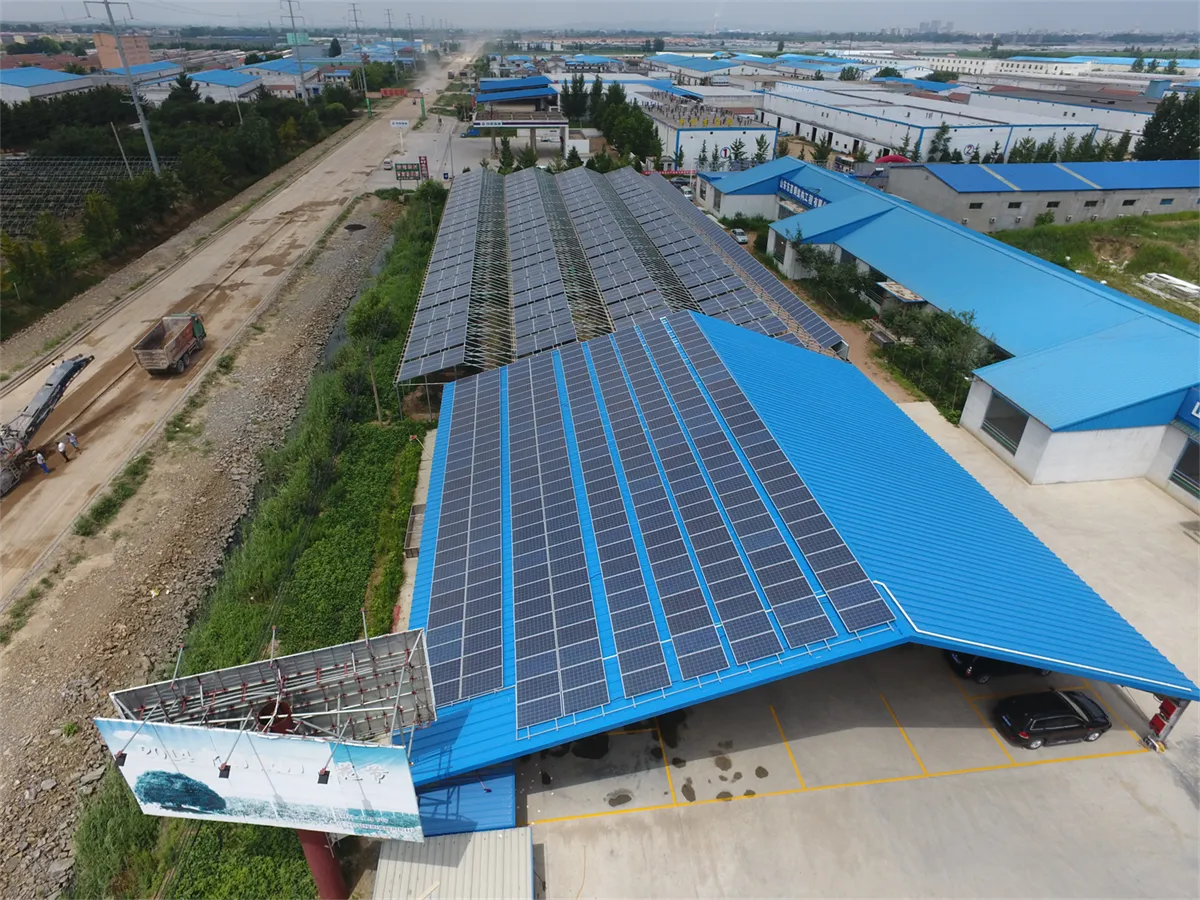
Ever seen a container of solar panels arrive looking like it survived a demolition derby? Yeah, me too. Avoid the heartbreak with these shipment preservation hacks.
PolyTech's climate-controlled crates use biodegradable cornstarch fillers that absorb impacts while keeping humidity below 2%. Their damage claims plummeted 89% since switching to these intelligent materials.
Green Energy Exporters shaved 14 days off clearance times simply by including visual compliance labels. Think QR codes that link to certification documents – even non-English speaking inspectors can verify with smartphone scans.
Watching premium panels collect warehouse dust? Happens when marketing misfires. Crack the code with authenticity that resonates.
Solaris Energy built credibility using local installers as social proof. Their YouTube channel features village elders discussing electricity transformations – generating 300% more qualified leads than any glossy ad campaign.
Remember SolTech's cringe-worthy desert panel promo in rainy Scotland? They've since rebounded with hyperlocal solution-selling that addresses specific regional energy pain points.
Let's tackle the operational nightmares keeping exporters awake at 3 AM:
Ever missed a shipment because certificates expired? Create automated tracking with simple calendar integrations linked to your procurement system. No more "Oops, it's Tuesday" moments.
Top performers conduct surprise warehouse audits – not just paper checks. If they hesitate about showing pallet handling procedures? Big red flag.
Navigating solar exports from restricted regions is undoubtedly complex, but absolutely navigable with the right mindset. Compliance isn't a hurdle – it's your competitive armor.
Companies that embrace robust screening and cultural intelligence don't just avoid fines; they unlock premium pricing from buyers craving reliability.
Successful exporting in this space boils down to one core principle: Build systems that outlast personnel changes and political shifts. Because when regulations inevitably shift (and they will), your foundations won't crumble.
So start viewing compliance as your market differentiation tool. Document like a historian, screen like a investigator, and partner like a local. That's how tomorrow's solar leaders are emerging today.
Recommend Products












