
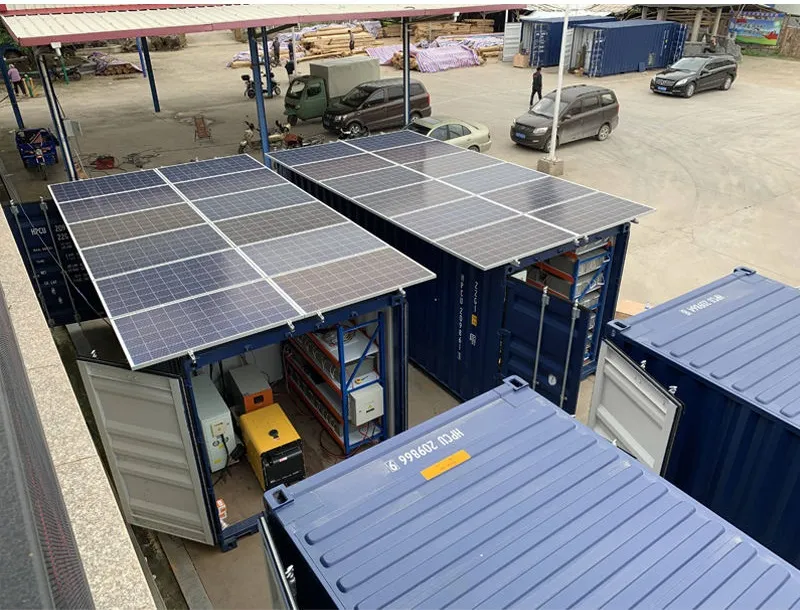
Getting solar panels from point A to point B might seem straightforward until you actually try doing it internationally. You're not just buying panels—you're navigating cultural differences, complex regulations, and logistics that'd make a seasoned traveler sweat. And here's the kicker: China's solar manufacturers produce over 70% of the world's photovoltaic panels. That's where most global buyers start their journey.
"The global shift to renewable energy isn't coming—it's already here. Solar represents the most accessible gateway for countries and businesses to participate in this transformation. Doing it right requires understanding both the technical specifications and the human relationships that make international trade work."
Let's be honest—when most people think Chinese manufacturing, "cheap" is the first word that comes to mind. But the solar industry tells a different story entirely. Here's why savvy buyers keep returning:
Walk through any solar trade show and you'll notice something interesting. The bleeding-edge panels? Many come from places like Jinko Solar or Trina Solar in Jiangsu province. We're talking about PERC technology that squeezes every drop of efficiency from sunlight, bifacial panels that harvest reflected light, and smart systems that integrate with existing grids. This isn't accidental—it's the result of massive R&D investment that would make Silicon Valley proud.
Ever tried baking a cake without flour? That's what manufacturing solar panels looks like without China's supply chain. There's a reason solar factories cluster around regions like Zhejiang and Guangdong. Within a 50-mile radius, you've got:
This ecosystem didn't appear overnight. It's the product of 20 years of targeted development, and it's why production defects hover around just 0.2% at tier-one factories compared to 1.5% elsewhere.
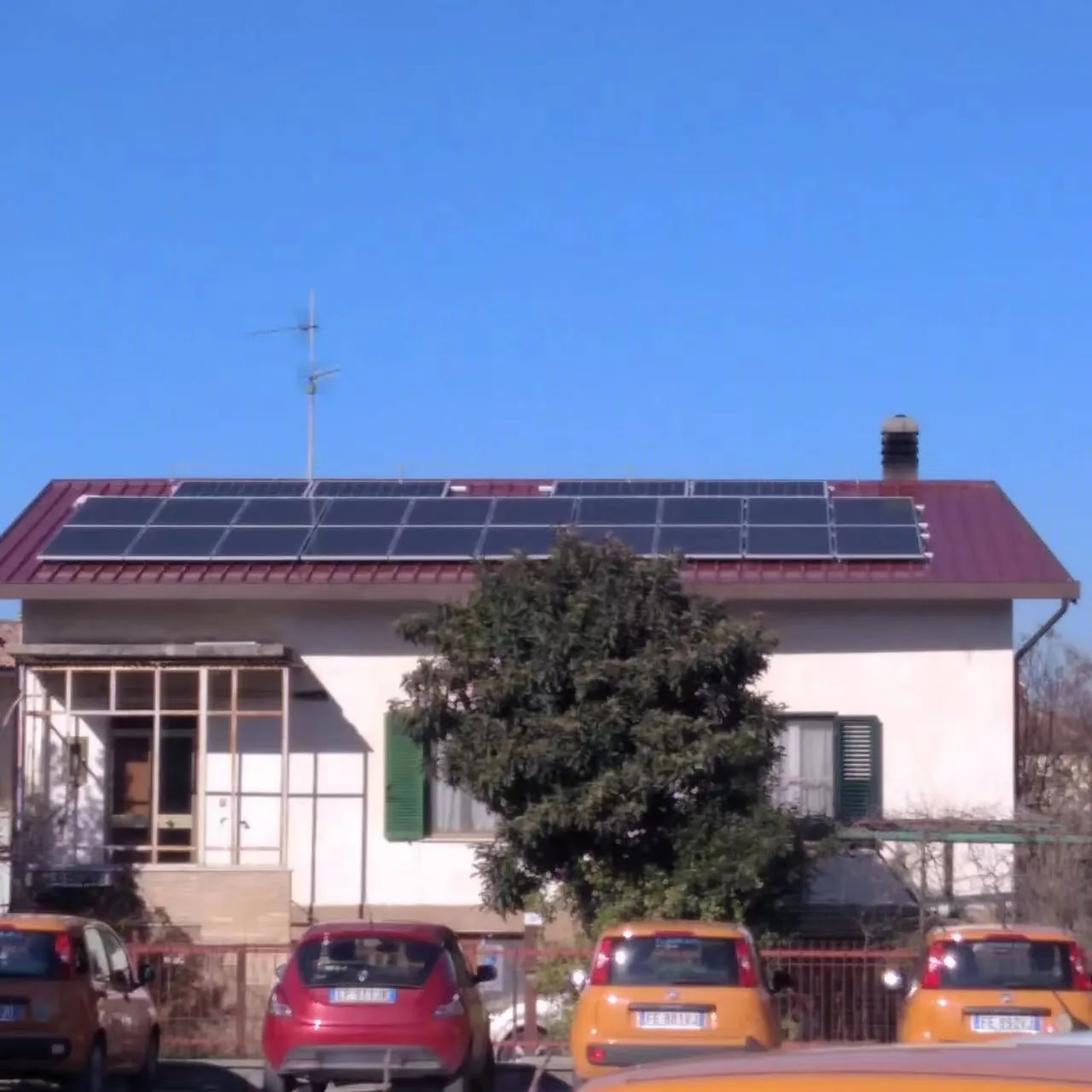
Imagine flying to Shanghai only to discover your panels violate import codes back home. That gut-sinking feeling? Entirely avoidable. Before contacting suppliers, you need:
Sarah, a procurement manager from Germany, learned this the hard way: "We assumed UL certification covered everything. Two containers got stuck at Hamburg port because we missed TUV-specific fire ratings. That two-week delay cost us €21,000 in penalties—paid from my bonus."
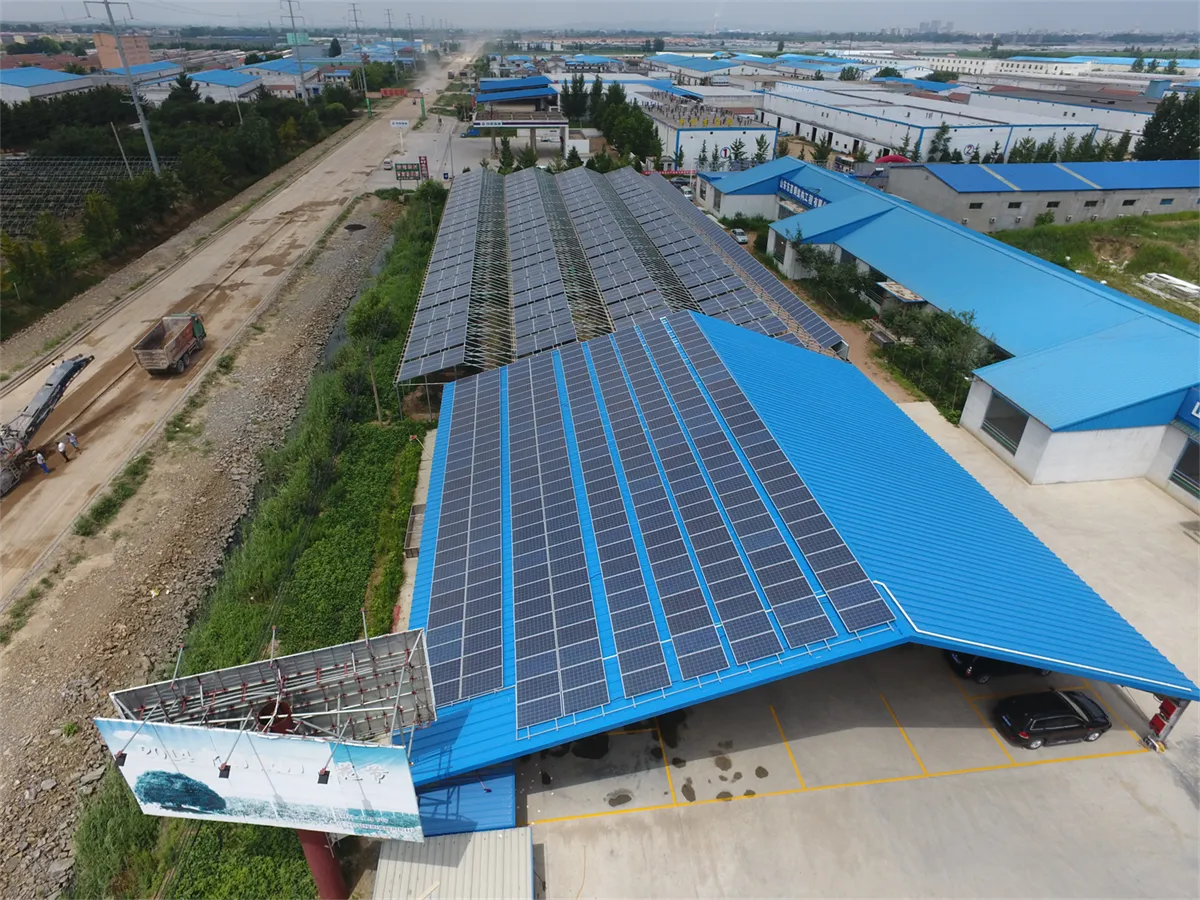
Alibaba is like a buffet—you can find anything, but quality varies wildly. Better approaches:
You'd think manufacturers would be straightforward. Nope. Many "factories" on B2B sites are actually traders. Try asking for:
True manufacturers can provide this instantly; traders stall. And remember—when it comes to china solar panel manufacturer credentials, seeing is believing.
For large orders, nothing beats showing up. Mike, a Californian developer, shared: "I visited 6 factories. One served tea in porcelain cups while CEO reviewed our specs. Another rolled out red carpet but had suspiciously spotless floors—turned out they rented the facility for client tours."
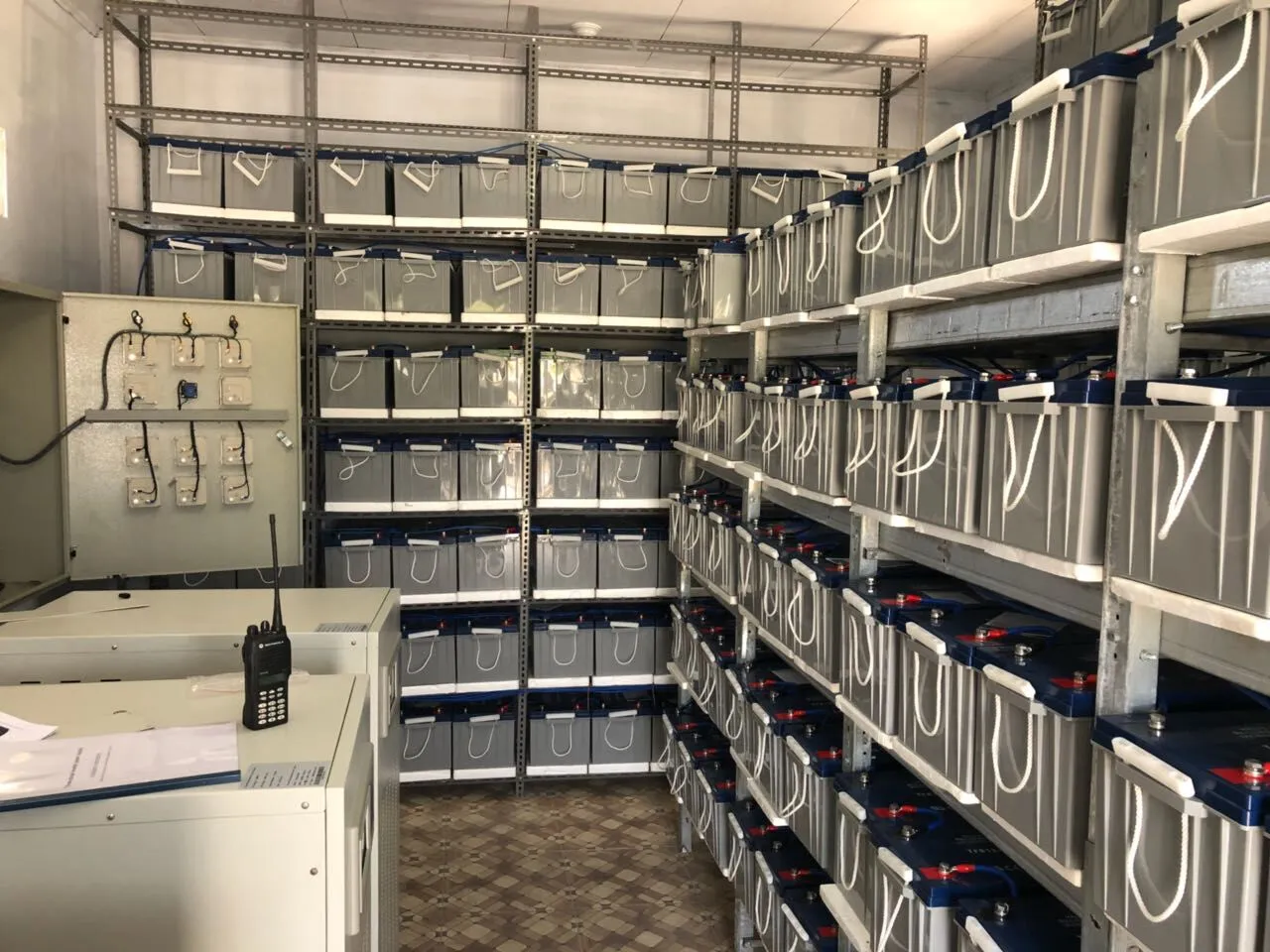
Payment terms reveal more about suppliers than any contract. Here’s what to watch:
30% deposit is standard. But if someone demands 50%? Walk away. Reputable suppliers have credit lines with raw material vendors. They shouldn’t need your cash to buy inputs.
Pay in USD when possible. When we switched from EUR to USD payments, our Shenzhen supplier immediately knocked 1.7% off the price. Why? Currency hedging gets built into quotes.
And wire transfers? Old school but reliable. One buyer used cryptocurrency for a "discount"—her shipment conveniently fell off customs paperwork. Stick to SWIFT.
Shipping isn’t just about containers. It’s a high-stakes puzzle:
| Option | Cost (HQ to LA) | Time | Risk Factor |
|---|---|---|---|
| Full Container Load (FCL) | $3,500–$6,000 | 25–35 days | Low |
| Less Container Load (LCL) | $110–$160/cbm | 35–45 days | Medium (handling damage) |
| Air Freight | $8.50–$15/kg | 3–7 days | High (cost volatility) |
Pro tip: Forklift damage accounts for 22% of solar panel losses. Insist on "container stuffing supervision"—a $150 service that's worth every penny when you see workers using steel hooks.
Containers arrive. Hearts race. Now what?
You need more than a visual once-over:
One importer found 17% efficiency loss across a shipment—traced to intentional grade swapping. Third-party inspectors caught it pre-customs.
Bottom line: Paperwork mistakes caused 42% of solar import delays last year. Have your documents reviewed locally before shipping.
Assume something will break. Why? Because it always does:
A Brazilian developer missed rainy season deadlines when panels arrived with mismatched connectors. Solution we implemented:
The key? Have contingency budgets and relationships with local electrical suppliers.
After five shipments with a Guangdong factory, their sales director invited me to his daughter's wedding. We've since negotiated:
This didn't happen through emails. I visited twice yearly, learned basic Mandarin greetings, respected factory tour protocols (no photos without permission), and sent Mooncakes during festivals. Business is personal.
The solar gold rush won't last forever. As demand surges, supply chains get stretched. Smart procurement today means:
Because here's what no one tells you: The best solar projects aren't about panels. They're about people who know how to bridge continents, interpret regulations, and solve connector catastrophes at midnight before an installation deadline. That expertise? It's worth more than any efficiency rating.
Recommend Products












