
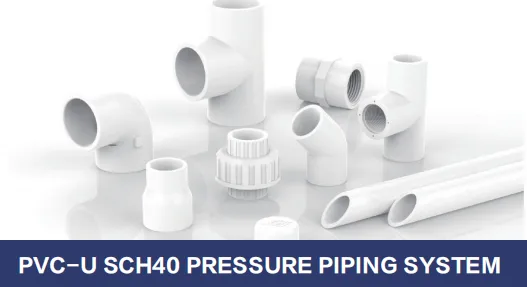
In the world of construction, every component plays a silent but critical role in shaping the safety, efficiency, and longevity of a building. From the foundation to the roof, each material is a piece of a larger puzzle—and when it comes to plumbing and fluid management, few components are as essential as the piping system. Whether you're overseeing a residential complex, a bustling commercial hub, or a large-scale industrial project, the choice of piping can make or break operational success. It's not just about moving water or fluids; it's about reliability under pressure, resistance to the elements, and long-term cost-effectiveness. Enter the PVC-U SCH40 pressure piping system—a solution that has quietly become a cornerstone in modern construction. In this guide, we'll dive deep into what makes this system stand out, where it thrives, and how to ensure you're getting the best from your PVC-U SCH40 pressure piping system solutions.
Let's start with the basics: What exactly is PVC-U SCH40, and why does it matter? PVC-U, or unplasticized polyvinyl chloride, is a rigid, strong plastic material known for its durability and chemical resistance. Unlike its flexible counterpart (PVC), which includes plasticizers to make it bendable, PVC-U is stiff and rigid—ideal for applications where structural integrity and pressure handling are non-negotiable. The "SCH40" in its name refers to the pipe's "schedule," a standardized designation that indicates wall thickness and pressure capacity. In simple terms, a SCH40 pipe has a thicker wall than, say, a SCH20 pipe, meaning it can withstand higher internal pressure. This makes it a go-to choice for systems where fluids are transported under pressure, such as water supply lines, irrigation networks, or industrial cooling systems.
Manufactured using high-quality PVC resin and additives that enhance stability and UV resistance, PVC-U SCH40 pipes are designed to meet strict industry standards. Depending on the region, they may adhere to guidelines set by organizations like ASTM International (e.g., ASTM D1785 for PVC pipe) or DIN standards, ensuring consistency in performance across the globe. For construction professionals, this standardization is a relief—knowing that a PVC-U SCH40 pipe from a reputable supplier will perform as expected, regardless of the project's location.
To understand why PVC-U SCH40 is a favorite among contractors and engineers, let's break down its most impressive properties:
Corrosion Resistance: Unlike metal pipes (think steel or iron), PVC-U SCH40 doesn't rust, corrode, or degrade when exposed to water, soil, or mild chemicals. This is a game-changer in areas with aggressive soil conditions or water with high mineral content. Imagine a residential project in a coastal region, where saltwater can eat away at metal pipes—PVC-U SCH40 would stand strong for decades, avoiding costly replacements.
Pressure Handling: As the "SCH40" label suggests, these pipes are built to handle pressure. Depending on the pipe size, a standard PVC-U SCH40 system can typically withstand pressures ranging from 140 psi (for larger diameters) to over 450 psi (for smaller sizes) at room temperature. This makes it versatile enough for everything from residential water supply (which usually operates at 40-80 psi) to commercial irrigation systems or light industrial fluid transport.
Lightweight Design: One of the biggest advantages of PVC-U over metal is its weight. A 10-foot length of 2-inch PVC-U SCH40 pipe weighs roughly 5 pounds, compared to a similar steel pipe that might tip the scales at 20 pounds or more. This lightness simplifies transportation, reduces labor costs during installation, and eases handling in tight spaces—like crawl spaces or ceiling voids in commercial buildings.
Cost-Effective: PVC-U SCH40 pipes are generally more affordable than metal alternatives like copper or stainless steel, both in terms of material costs and installation. Their lightweight nature cuts down on labor hours, and their resistance to corrosion means fewer repairs over time. For budget-conscious projects—whether a small housing development or a large school—this translates to significant savings without compromising quality.
Smooth Interior Surface: The inner walls of PVC-U SCH40 pipes are incredibly smooth, which minimizes friction and allows fluids to flow freely. This reduces energy consumption (since pumps don't have to work as hard) and lowers the risk of clogs—especially important in systems carrying water with minimal sediment, like potable water lines or HVAC cooling loops.
PVC-U SCH40 pressure piping systems aren't a one-trick pony—their versatility makes them suitable for a wide range of projects. Let's explore some of the most common applications where they shine:
Residential Construction: In homes and apartment buildings, PVC-U SCH40 is a staple for potable water supply lines, connecting the main water source to kitchens, bathrooms, and outdoor faucets. It's also used in irrigation systems for gardens and lawns, where its resistance to UV rays (when properly installed or covered) ensures it can handle exposure to sunlight. For homeowners, this means reliable water pressure and fewer worries about leaks or pipe degradation over time.
Commercial Buildings: From hotels and office complexes to shopping malls, commercial projects demand piping systems that can keep up with high usage. PVC-U SCH40 is often chosen for fire sprinkler systems (where local codes permit), cooling tower loops, and even compressed air lines for pneumatic tools. Its lightweight design is a boon here, as contractors can install long lengths quickly without heavy machinery—a critical factor in meeting tight project deadlines.
Institutional Settings: Hospitals, schools, and universities have unique needs: safety, hygiene, and low maintenance. PVC-U SCH40 pipes are ideal for non-potable water systems (like those used for flushing toilets or janitorial sinks) and can even be used in some medical gas systems (when certified for such use). Their smooth interior surfaces prevent bacterial buildup, aligning with strict health standards, while their durability ensures they can withstand the heavy foot traffic and frequent cleaning common in these environments.
Industrial Applications: While not suitable for highly corrosive chemicals, PVC-U SCH40 excels in light industrial settings. It's used to transport coolants, process water, and even certain food-grade fluids (when certified). For example, a beverage manufacturing plant might use PVC-U SCH40 pipes to circulate chilled water in its production line, thanks to the material's resistance to temperature fluctuations and low risk of contamination.
Municipal Projects: On a larger scale, municipalities rely on PVC-U SCH40 for water distribution networks, particularly in residential neighborhoods. Its resistance to soil corrosion makes it a durable choice for underground installations, and its lightweight design reduces the need for heavy excavation equipment—saving time and taxpayer dollars.
To truly appreciate PVC-U SCH40, it helps to see how it stacks up against other common piping materials. Let's compare it to three alternatives: galvanized steel, copper, and PPR (polypropylene random copolymer).
| Feature | PVC-U SCH40 | Galvanized Steel | Copper | PPR |
|---|---|---|---|---|
| Cost (Material + Installation) | Lowest | High (heavy, requires skilled labor) | Highest (expensive material + soldering) | Moderate |
| Weight | Light (5-10 lbs/10ft) | Heavy (20-30 lbs/10ft) | Moderate (10-15 lbs/10ft) | Light (similar to PVC-U) |
| Corrosion Resistance | Excellent (no rust or pitting) | Poor (prone to rust inside over time) | Good (but can corrode in acidic water) | Excellent |
| Pressure Handling | High (SCH40 rated for 140-450 psi) | Very High (but decreases with corrosion) | High (depends on wall thickness) | Moderate (best for hot water, lower pressure) |
| Installation Difficulty | Easy (solvent cement or threading) | Hard (requires cutting, threading, welding) | Moderate (requires soldering tools) | Easy (heat fusion, no special tools) |
| Lifespan | 40-50 years | 20-30 years (due to corrosion) | 50+ years (but expensive upfront) | 50+ years (good for hot water) |
As the table shows, PVC-U SCH40 holds its own—especially in cost, weight, and corrosion resistance. While copper and PPR may have longer lifespans in some cases, the upfront savings and ease of installation make PVC-U SCH40 a practical choice for most projects. Galvanized steel, once a popular option, now takes a backseat due to its weight, corrosion issues, and higher labor costs.
Even the best materials can underperform if installed incorrectly. Here are some key tips to ensure your PVC-U SCH40 pressure piping system works flawlessly for decades:
Handle with Care: While PVC-U is rigid, it can crack if dropped or bent sharply. Store pipes horizontally on flat surfaces to prevent warping, and avoid dragging them across rough ground, which can scratch the surface and weaken the material.
Measure Twice, Cut Once: Use a fine-toothed saw (hacksaw or PVC cutter) to make clean, straight cuts. Jagged edges can lead to leaks when joining pipes and fittings. After cutting, deburr the inside and outside of the pipe to remove any rough spots—this ensures a tight seal with solvent cement.
Choose the Right Fittings: Always use fittings designed for SCH40 pressure systems. Mismatched fittings (e.g., using SCH20 fittings with SCH40 pipes) can create weak points that fail under pressure. A reliable pipes fittings supplier will offer a full range of compatible elbows, tees, couplings, and valves, ensuring every component works in harmony.
Master the Solvent Cement Technique: Solvent cement isn't just glue—it's a chemical that fuses the pipe and fitting into a single, leak-proof unit. Apply a thin, even layer to both the pipe end and the fitting socket, then push them together firmly and hold for 30 seconds to ensure a tight bond. Allow 24 hours for full curing before testing the system.
Support Properly: PVC-U pipes expand and contract slightly with temperature changes, so use pipe hangers or brackets spaced according to the pipe diameter (typically every 4-6 feet for 1-2 inch pipes). This prevents sagging, which can cause stress on joints over time.
Test Before Covering: Always pressure-test the system before burying it or enclosing it in walls. For water supply lines, a 10-minute test at 1.5 times the normal operating pressure is standard. If you notice drops in pressure, check for leaks—better to fix them now than after the walls are closed up.
Great materials start with great suppliers. When sourcing your PVC-U SCH40 pressure piping system solutions, partnering with a reputable PVC-U SCH40 pressure piping system supplier is just as important as the product itself. Here's what to look for:
Certifications and Compliance: The best suppliers prioritize quality, which means their products meet international standards like ASTM D1785, ISO 9001, or DIN 8062. Ask for certificates to verify compliance—this ensures the pipes have been tested for pressure, impact resistance, and chemical stability.
Range of Products: A top-tier supplier won't just offer pipes—they'll provide a full ecosystem of solutions, including fittings, valves, and even installation accessories like solvent cement and deburring tools. This one-stop shopping saves time and reduces the risk of mismatched components.
Technical Support: Even seasoned contractors can run into questions. Look for suppliers who offer technical guidance, whether it's helping you select the right pipe size for your pressure needs or troubleshooting installation issues. Some suppliers even provide on-site training for your team, ensuring everyone is on the same page.
Reliable Delivery: Construction schedules wait for no one. A supplier with a robust logistics network can deliver materials on time, even for large orders. Ask about lead times and backup inventory—you don't want a delayed pipe shipment to halt your entire project.
Reputation in the Industry: Word of mouth speaks volumes. Check reviews, ask for references, or talk to other contractors in your area. A supplier with a track record of happy customers is more likely to prioritize your satisfaction, too.
For example, an upvc pipe supplier with decades of experience in the Middle East might specialize in PVC-U SCH40 systems tailored to the region's harsh climate, offering UV-stabilized pipes that resist sun damage—critical for outdoor installations in countries like Saudi Arabia. Local expertise like this can make a big difference in long-term performance.
One of the biggest perks of PVC-U SCH40 is its low maintenance needs, but that doesn't mean it's "set it and forget it." A little care can extend its lifespan even further:
Regular Inspections: Check exposed pipes for signs of damage, like cracks, discoloration, or leaks. In underground systems, monitor for wet spots or reduced water pressure, which could indicate a hidden leak.
Avoid Chemical Damage: While PVC-U is resistant to most household chemicals, strong acids or bases (like drain cleaners with sulfuric acid) can weaken the material over time. Use chemical drain cleaners sparingly, and flush pipes thoroughly afterward.
Protect from Freezing: In cold climates, PVC-U pipes can crack if water inside freezes and expands. Insulate outdoor pipes or those in unheated areas (like crawl spaces) with foam pipe sleeves, and drain systems during winter if they're not in use.
Clean When Necessary: Over time, mineral deposits or sediment can build up in pipes, reducing flow. For minor buildup, flushing with a mixture of vinegar and water can help. For severe clogs, use a plunger or PVC-safe snake—avoid metal tools that can scratch the interior.
To put all this into context, let's look at a real-world example: a 50-unit residential complex in Riyadh, Saudi Arabia. The project required a reliable, cost-effective piping system for potable water and irrigation. The contractor initially considered galvanized steel but quickly realized the drawbacks: high material costs, heavy installation, and concerns about corrosion in the region's salty soil.
After consulting with a local PVC-U SCH40 pressure piping system supplier, the team switched to PVC-U SCH40. The results were striking: installation time was cut by 30% thanks to the lightweight pipes, and material costs dropped by nearly 40% compared to steel. Five years later, the complex has reported zero leaks or pipe failures, and maintenance costs remain minimal. "We were skeptical at first—plastic pipes seemed too good to be true," said the project manager. "But now, we use PVC-U SCH40 on every residential project. It's reliable, affordable, and our clients love that they won't face surprise plumbing bills down the line."
In the fast-paced world of construction, where deadlines are tight and budgets are tighter, the PVC-U SCH40 pressure piping system stands out as a solution that delivers on all fronts: durability, affordability, and ease of use. From residential homes to commercial skyscrapers, it's a material that adapts to diverse needs without compromising on performance. By choosing the right PVC-U SCH40 pressure piping system solutions and partnering with a trusted supplier, you're not just installing pipes—you're building a foundation for decades of reliable service.
So, the next time you're planning a project, ask yourself: What's the backbone of your plumbing system? If you want a solution that's tough under pressure, easy on the budget, and built to last, PVC-U SCH40 might just be the answer. After all, in construction, the best choices are the ones that stand the test of time—and PVC-U SCH40 has proven it's more than up to the challenge.
Recommend Products












