
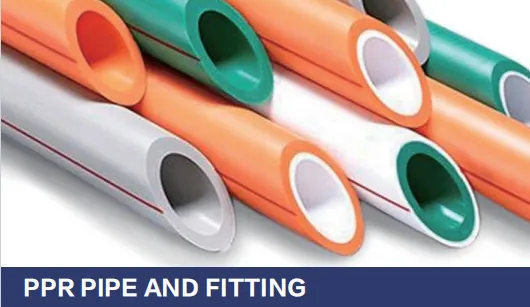
Walk into any modern home, bustling office, or state-of-the-art hospital, and you'll find a silent network working behind the scenes to keep daily life running smoothly: the plumbing system. From the morning shower that starts your day to the hot water in a hospital's surgical wing, reliable pipes and fittings aren't just a convenience—they're the backbone of safe, functional spaces. For over a decade, Coloria has stood out as a trusted one-stop architectural solution provider , specializing in high-quality building materials that blend durability, safety, and innovation. Today, we're diving deep into one of our most sought-after offerings: PPR pipe and fitting solutions. Whether you're a contractor building a residential complex, a developer overseeing a commercial project, or a facility manager upgrading a hospital, this guide will walk you through everything you need to know about Coloria's PPR pipes—and why they're the smart choice for your next project.
PPR, or Polypropylene Random Copolymer, is a type of plastic pipe widely used in plumbing systems for transporting hot and cold water. Unlike traditional materials like galvanized steel or PVC, PPR pipes are made by polymerizing propylene with a small amount of ethylene, creating a material that's flexible, heat-resistant, and incredibly durable. But what makes PPR stand out in the crowded world of plumbing materials? Let's break it down.
First, PPR pipes are designed to handle both high temperatures (up to 95°C) and high pressure, making them ideal for everything from residential hot water lines to industrial applications. They're also corrosion-resistant, meaning they won't rust or degrade over time—unlike metal pipes, which can develop leaks due to rust buildup. And because they're lightweight, they're easier to transport and install, saving contractors time and labor costs on the job site.
At Coloria, we take PPR a step further. Our PPR pipe and fitting solutions are engineered with precision, using raw materials sourced from top global suppliers to ensure consistency and performance. Each pipe and fitting undergoes rigorous testing to meet international standards, so you can trust that they'll stand the test of time—whether in a busy family home or a high-traffic commercial building.
Not all PPR pipes are created equal. Coloria's solutions are designed with the unique needs of modern construction in mind, offering a range of benefits that set them apart from generic products on the market. Here's why contractors, developers, and homeowners alike choose us:
1. Leak-Proof Performance: One of the biggest headaches in plumbing is leaks—and they're often caused by poor joint quality. Coloria's PPR fittings use a heat fusion technique, where pipes and fittings are melted together to form a seamless, permanent bond. This eliminates the risk of leaks at connection points, ensuring a watertight system that lasts for decades. Unlike threaded pipes, which can loosen over time, fusion-bonded PPR joints are as strong as the pipe itself.
2. Heat and Chemical Resistance: Whether it's hot water for a shower or chemical-laden water in an industrial setting, Coloria's PPR pipes can handle it. Our pipes are rated to withstand continuous use at 70°C (with peaks up to 95°C) and are resistant to most acids, alkalis, and salts. This makes them perfect for hospitals and schools, where water purity and safety are non-negotiable—aligning with our commitment to providing reliable materials for sensitive environments, much like our Class A fireproof CPL inorganic board for hospital and school solutions .
3. Eco-Friendly and Safe: In today's world, sustainability matters. Coloria's PPR pipes are lead-free, BPA-free, and recyclable, making them safe for drinking water and gentle on the environment. They also don't leach harmful chemicals into the water, ensuring that the water coming out of your taps is clean and healthy—critical for homes, schools, and healthcare facilities.
4. Cost-Effective in the Long Run: While PPR pipes may have a slightly higher upfront cost than PVC, their longevity and low maintenance needs make them more affordable over time. With a lifespan of 50+ years (compared to 20-30 years for PVC), you'll spend less on replacements and repairs. Plus, their lightweight design reduces transportation and installation costs, saving you money from day one.
5. Versatility Across Applications: From small residential projects to large-scale commercial builds, Coloria's PPR pipes adapt to any need. We offer a range of sizes (from 20mm to 160mm) and pressure ratings (PN10, PN16, PN20) to suit everything from under-sink lines to main water supply systems. Need to install pipes in tight spaces? PPR's flexibility makes bending and routing a breeze, reducing the need for extra fittings.
PPR pipes aren't just for one type of project—they're a versatile solution that works across residential, commercial, and industrial settings. Let's explore some of the most common applications where Coloria's PPR pipe and fitting solutions excel:
Residential Plumbing: As a residential building materials supplier , we know that homeowners want plumbing they can rely on without constant maintenance. Coloria's PPR pipes are perfect for home water supply systems, including hot water lines, cold water lines, and even radiant floor heating. Their noise-dampening properties mean you won't hear the "water hammer" effect common with metal pipes, keeping your home quiet and peaceful.
Commercial Buildings: From office towers to shopping malls, commercial projects demand plumbing that can handle high usage and heavy traffic. Coloria's PPR pipes are designed for durability in busy environments, withstanding the constant flow of water in restrooms, break rooms, and HVAC systems. Their corrosion resistance also makes them ideal for restaurants, where water may contain food particles or cleaning chemicals.
Hospitals and Schools: Safety is paramount in healthcare and education facilities. Coloria's PPR pipes meet strict hygiene standards, with smooth inner walls that prevent bacterial growth—critical for hospitals where infection control is a top priority. When paired with our Class A fireproof CPL inorganic boards, these systems create a safe, compliant environment that protects both occupants and infrastructure.
Industrial Settings: Factories, warehouses, and manufacturing plants often require pipes that can handle harsh conditions. Coloria's PPR pipes resist corrosion from industrial chemicals and can withstand the high temperatures of process water, making them a reliable choice for industrial plumbing and cooling systems.
At Coloria, we believe in transparency—so you know exactly what you're getting when you choose our PPR solutions. Here's a breakdown of our standard product specifications:
| Product Type | Size Range (mm) | Pressure Rating (PN) | Max Temperature (°C) | Material | Certifications |
|---|---|---|---|---|---|
| PPR Cold Water Pipes | 20 – 160 | PN10, PN16 | 20 – 60 | PPR Random Copolymer | ISO 9001, CE, SGS |
| PPR Hot Water Pipes | 20 – 160 | PN16, PN20 | 60 – 95 | PPR Random Copolymer | ISO 9001, CE, SGS |
| PPR Elbows & Tees | 20 – 160 | PN16, PN20 | Up to 95 | PPR Random Copolymer | ISO 9001, CE, SGS |
| PPR Reducers & Caps | 20 – 160 | PN16, PN20 | Up to 95 | PPR Random Copolymer | ISO 9001, CE, SGS |
All our PPR pipes and fittings are manufactured in facilities that adhere to strict quality control standards, ensuring consistency in every batch. We also offer custom solutions for unique projects—just let our team know your specifications, and we'll tailor a product that fits your needs.
Installing PPR pipes is straightforward, but it does require the right tools and technique. Here's a step-by-step guide to ensure a successful installation:
1. Gather Your Tools: You'll need a PPR pipe cutter (for clean, straight cuts), a heat fusion machine (with dies matching your pipe size), a deburring tool, and a measuring tape. Coloria recommends using professional-grade fusion machines to ensure precise temperature control (typically 260°C for PPR).
2. Measure and Cut the Pipes: Measure the length of pipe you need and mark it with a pencil. Use the pipe cutter to make a straight cut—avoid jagged edges, as they can affect the fusion bond. After cutting, use the deburring tool to remove any burrs from the inside and outside of the pipe.
3. Prepare the Fittings: Clean the pipe ends and fittings with a dry cloth to remove dirt or moisture. This ensures a strong fusion bond. insert the pipe into the fitting to check the fit—there should be no gaps.
4. Heat Fusion: Turn on the fusion machine and let it heat up to the recommended temperature. Once heated, place the pipe end and fitting onto the dies, applying gentle pressure to ensure full contact. Hold them in place for the specified time (usually 5-10 seconds, depending on pipe size).
5. Join and Cool: Remove the pipe and fitting from the dies and quickly align them, pushing the pipe into the fitting until it stops. Hold them steady for 30-60 seconds to allow the joint to cool and solidify. Avoid moving or twisting the joint while it cools—this can weaken the bond.
6. Test the System: After installation, turn on the water and check for leaks. Let the system run for 30 minutes to ensure all joints are secure. If you notice any leaks, turn off the water and re-fuse the joint (you may need to cut out the old joint and start fresh).
Pro tip: For large projects, Coloria offers on-site training for your installation team, ensuring that every joint is fused to perfection. Our technical support team is also available 24/7 to answer questions and troubleshoot issues.
One of the best things about PPR pipes is that they require minimal maintenance—but a little care goes a long way in extending their lifespan. Here's how to keep your Coloria PPR system running smoothly:
1. Avoid Physical Damage: PPR pipes are durable, but they can be damaged by sharp tools or heavy impacts. When installing, make sure pipes are protected from construction debris, and avoid hanging heavy objects on them. In wall or floor installations, use protective sleeves to prevent damage from nails or screws during renovations.
2. Monitor Water Pressure: While PPR pipes are designed for high pressure, excessive pressure can strain the system over time. Use a pressure regulator to keep water pressure within the recommended range (PN16 pipes handle up to 16 bar, PN20 up to 20 bar). This is especially important in commercial buildings where pressure fluctuations are common.
3. Clean Regularly (If Needed): PPR pipes have smooth inner walls that resist scaling and sediment buildup, so they rarely need cleaning. However, in areas with hard water, mineral deposits can accumulate over time. To clean, flush the system with a mild vinegar solution (1 part vinegar to 3 parts water) and let it sit for an hour before rinsing with clean water.
4. Check for Leaks Seasonally: Even with fusion-bonded joints, it's a good idea to inspect your plumbing system seasonally—especially after extreme temperature changes. Look for damp spots on walls or ceilings, low water pressure, or unusual noises (like gurgling), which could signal a leak. Catching issues early prevents costly repairs down the line.
With so many plumbing materials on the market, how do you know which one is right for your project? Let's compare Coloria's PPR pipes with three common alternatives:
| Feature | Coloria PPR | PVC | Copper | PEX |
|---|---|---|---|---|
| Heat Resistance | Up to 95°C | Up to 60°C (not for hot water) | Up to 100°C | Up to 95°C |
| Pressure Rating | PN10-PN20 | PN10-PN16 (lower for hot water) | High (but prone to corrosion) | PN10-PN16 |
| Installation | Heat fusion (seamless joints) | Glue or threads (prone to leaks) | Soldering (requires skill) | Crimp or clamp fittings (potential for leaks) |
| Lifespan | 50+ years | 20-30 years | 50+ years (but corrodible) | 40-50 years |
| Cost (Installed) | Moderate | Low (but higher long-term costs) | High (expensive materials and labor) | Moderate |
| Eco-Friendliness | Recyclable, lead-free | Recyclable, but may contain additives | Recyclable, but energy-intensive to produce | Recyclable, but fittings may contain metals |
As the table shows, PPR strikes the perfect balance between performance, cost, and ease of installation. While copper may last longer, its high cost and corrosion risk make it less practical for most projects. PVC is cheaper upfront but lacks the heat resistance and durability of PPR. PEX is flexible but relies on mechanical fittings that can leak over time. For most residential and commercial projects, PPR is the clear winner.
Don't just take our word for it—here are two examples of how Coloria's PPR pipe and fitting solutions have transformed real projects:
A leading developer in Saudi Arabia needed a plumbing solution for a 500-unit residential complex that could withstand the region's high temperatures and hard water. After evaluating options, they chose Coloria's PPR pipes for their heat resistance and corrosion resistance. Over 100,000 meters of PPR pipes (sizes 20mm to 110mm) were installed, along with matching fittings. Two years later, the developer reports zero leaks and minimal maintenance issues, with residents praising the consistent water pressure and quality. As a Saudi Arabia building materials supplier , Coloria's local presence ensured timely delivery and on-site support, making the project a success.
King Fahd Hospital was undergoing a renovation to upgrade its plumbing system, with a focus on hygiene and safety. Coloria supplied PPR pipes for the hospital's hot and cold water lines, paired with our Class A fireproof CPL inorganic boards for wall cladding. The smooth inner walls of the PPR pipes prevented bacterial growth, meeting the hospital's strict infection control standards. The heat fusion joints ensured leak-free performance in critical areas like operating rooms and intensive care units. Today, the hospital's facilities manager notes that the new system has reduced maintenance costs by 40% and improved water quality for patients and staff.
With so many suppliers on the market, what makes Coloria the right choice for your project? Here's what sets us apart:
1. One-Stop Convenience: As a one-stop architectural solution provider , we don't just sell PPR pipes—we offer everything you need for your building project, from flooring and wall panels to electrical fixtures and sanitaryware. This means fewer suppliers to coordinate with, streamlined logistics, and consistent quality across all materials.
2. Quality You Can Trust: Every Coloria product undergoes rigorous testing in our in-house labs, ensuring compliance with international standards like ISO, CE, and SGS. We source raw materials from trusted global suppliers and use advanced manufacturing techniques to create products that meet the highest benchmarks for durability and safety.
3. Local Expertise, Global Reach: With a strong presence in Saudi Arabia and partnerships worldwide, we understand the unique needs of regional markets. Whether you're building in Riyadh's desert climate or a coastal city, our team has the local knowledge to recommend the best solutions for your environment.
4. Customer-Centric Support: From project planning to post-installation, Coloria is with you every step of the way. Our technical team offers design assistance, installation training, and 24/7 support, ensuring that your project runs smoothly from start to finish. We also offer flexible delivery options to meet tight deadlines.
5. Commitment to Innovation: The building materials industry is constantly evolving, and we're committed to staying ahead of the curve. We invest in research and development to create new products that are more sustainable, efficient, and cost-effective—so you can trust that you're getting the latest and greatest solutions for your project.
At the end of the day, plumbing is more than just pipes and fittings—it's about creating spaces that are safe, functional, and built to last. Coloria's PPR pipe and fitting solutions embody that vision, combining cutting-edge technology with a commitment to quality and service. Whether you're building a home, a hospital, or a commercial complex, we're here to be your partner in success. Choose Coloria, and build with confidence.
Recommend Products












