
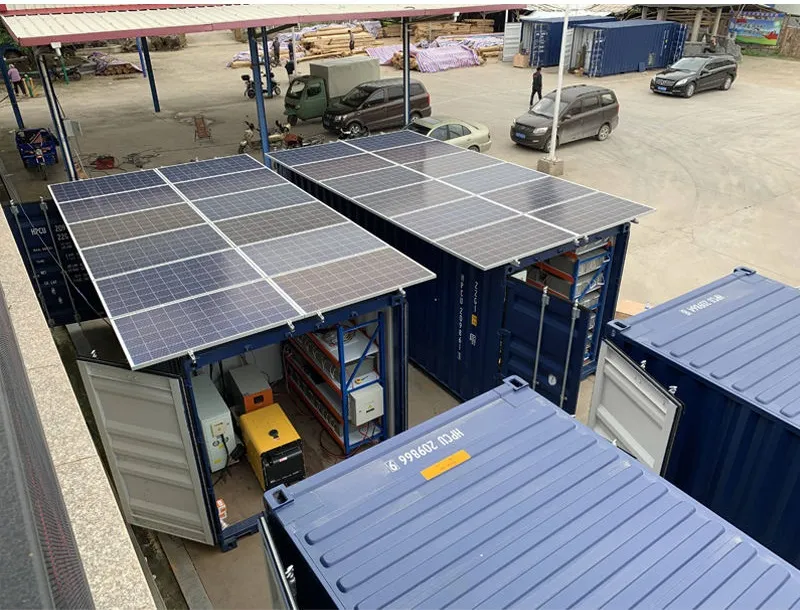
It’s amazing how something as tiny as dust particles can cause such huge headaches in solar energy production. Research shows that just a month's worth of grime buildup can slash panel efficiency by a staggering 50%. That's like buying premium concert tickets only to discover you can only hear half the show!
In dusty regions like the Middle East, power losses regularly hit 30-40%, turning what should be clean energy into a frustratingly dirty business. Bird droppings, sand storms, industrial pollution, and plain old dust create layers of gunk that block precious photons from reaching photovoltaic cells. It's like smearing vaseline across your camera lens and expecting perfect photos.
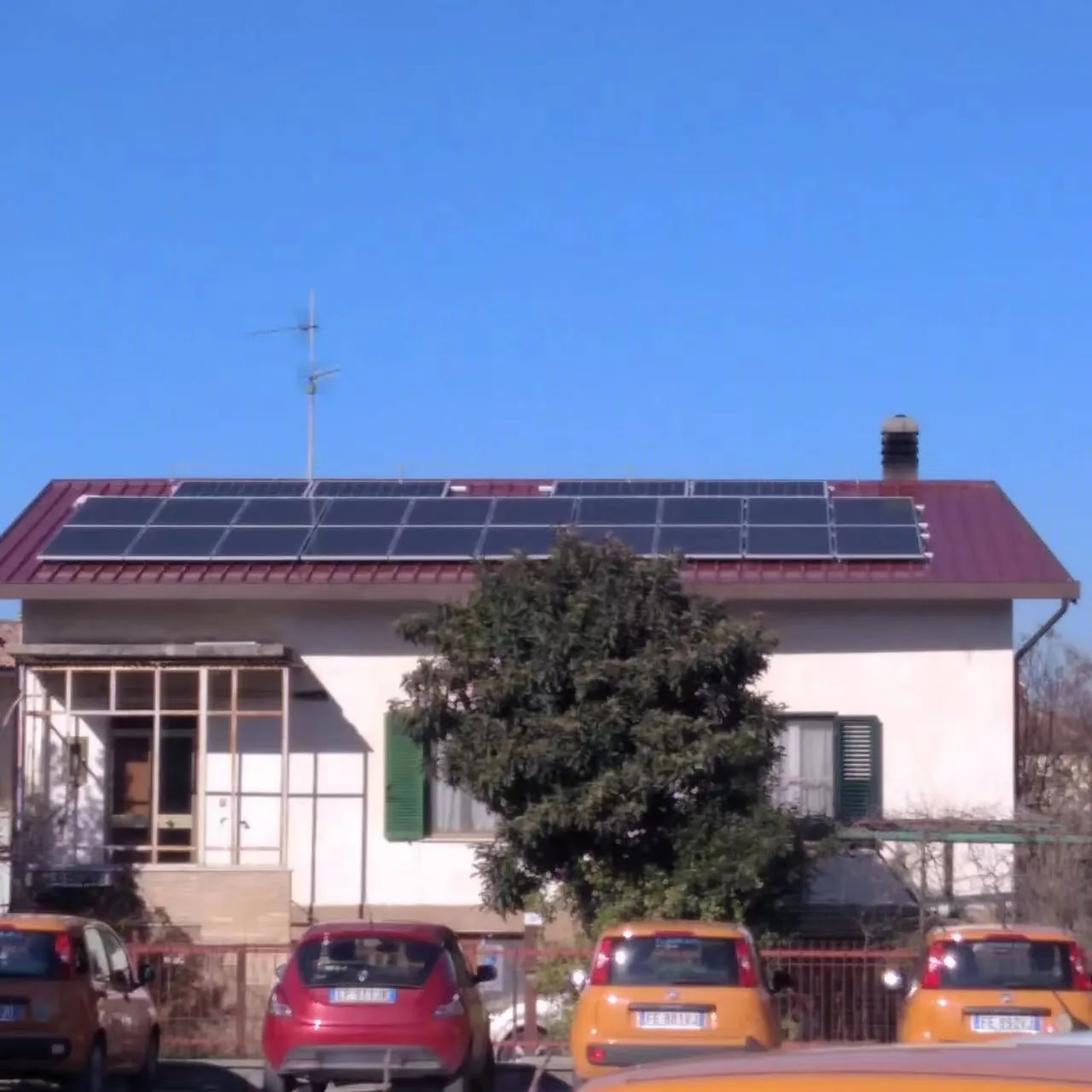
We've come a long way from the days of squeegee crews dangling precariously from utility-scale solar farms. Today's cleaning methods fall into three main categories:
Active systems are the gym rats of solar maintenance—they require energy to function. Think water-spraying robots or rotating brushes.
Passive solutions are more like that friend who stays fit without trying, including hydrophobic coatings that make dirt slip away during rain.
Then there's the solar panel cleaning robot category that's stealing the spotlight. These intelligent systems operate like precision roombas for solar farms, combining mobility with smart sensors.
| Technology | How It Works | Best For | Limitations |
|---|---|---|---|
| Brush Robots (BCS) | Silicone-tipped rotating brushes physically scrub surfaces | Large commercial arrays | Require human intervention; can scratch surfaces with grit |
| Electrostatic Cleaners (ECS) | Repels dust using electromagnetic waves | Water-scarce regions | Struggles with heavy debris; energy intensive |
| Vacuum Robots | Suction systems pull debris without contact | Delicate residential panels | Slow operation; less effective with sticky grime |
| Waterless Nanobots | Tiny autonomous bots with microfiber pads | Small-scale installations | Still in prototype phase; scaling challenges |
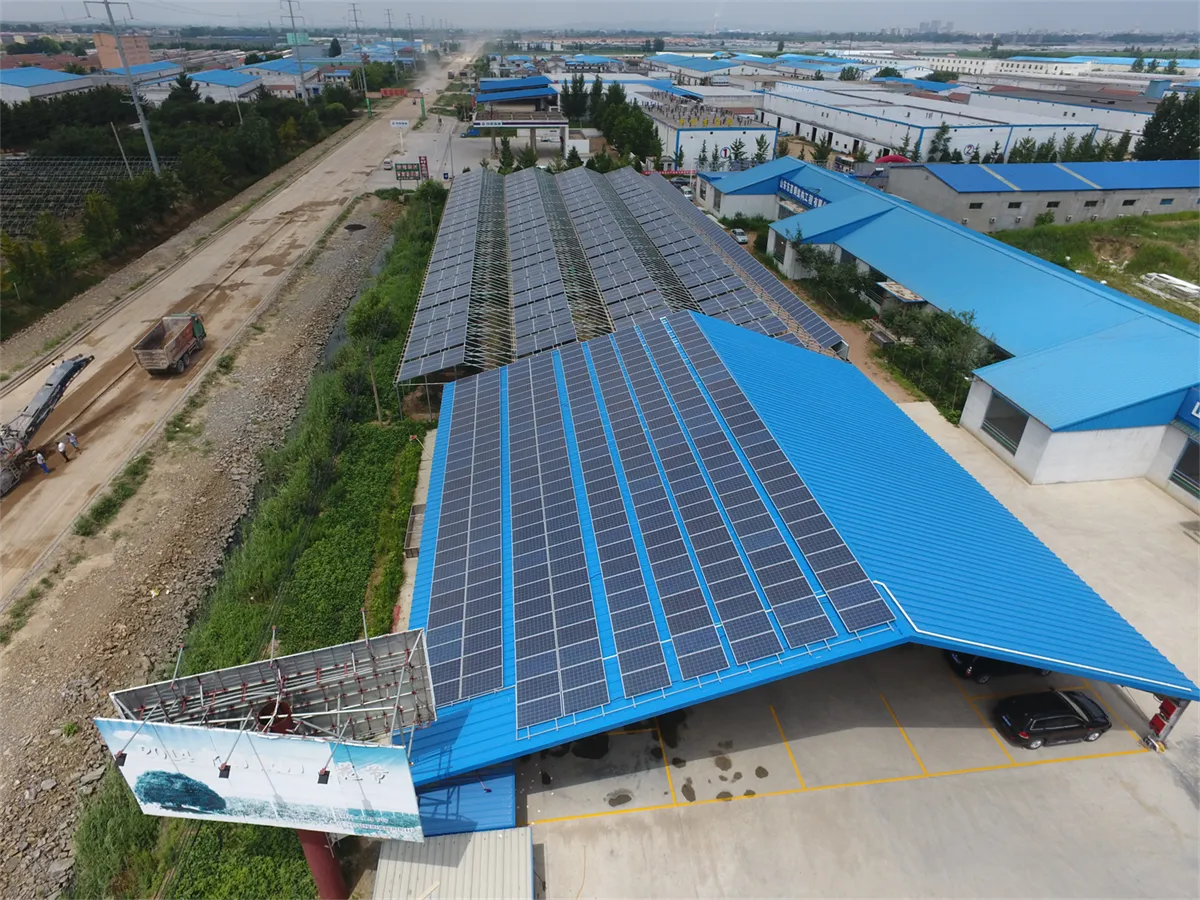
There's no magic bullet that solves cleaning challenges universally. Our analysis reveals some key findings:
While electrostatic systems shine in the Middle East's dry climate, they're money down the drain during India's monsoon season. Robotic scrubbers perform best in California's predictable weather but become high-maintenance divas in areas with frequent wind storms.
We compiled data across various systems to see their real-world recovery potential:
| System Type | Efficiency Recovery | Water Savings | Payback Period | Human Input Required |
|---|---|---|---|---|
| Brush Systems | 72-85% | Moderate | 1.5-3 years | High |
| Heliotex | 65-78% | Low | 2-4 years | Medium |
| Robotic Cleaners | 82-95% | High | 1.8-2.5 years | Low |
| Electrostatic | 58-70% | Zero | 3-5 years | Low |
| Protective Coatings | 48-63% | Zero | 5+ years | Minimal |
Today's robots are far more sophisticated than first-generation models. Modern systems typically include:
Innovators like Israel's Ecoppia have developed completely water-free robotic systems using microfiber pads and controlled airflow. This addresses a critical pain point—some desert-based solar farms were spending over 10 million gallons annually just for panel washing.
While manufacturers love showcasing shiny new bots, what really matters is their economic impact. Our financial analysis reveals:
| Cost Category | Manual Cleaning | Stationary Systems | Robotic Solutions |
|---|---|---|---|
| Initial Setup | $500-$5,000 | $8,000-$50,000 | $15,000-$100,000 |
| Maintenance/Year | $1,000-$20,000 | $1,500-$5,000 | $3,000-$8,000 |
| Efficiency Loss from Delay | 15-30% | 8-15% | 3-8% |
| Water Cost Savings | 0-15% | 25-50% | 70-100% |
Robotic systems shine in large-scale installations where manual labor would be prohibitively expensive. A 100MW solar farm implementing robots typically sees payback within 2.3 years through:
Exciting developments are transforming how we approach solar maintenance:
Nano-coating/Bot Hybrids: Permanent hydrophobic layers paired with occasional robotic touch-ups combine the best of passive and active systems.
Predictive Cleaning AI: Systems that analyze weather forecasts and energy output patterns to schedule cleaning when it delivers maximum ROI.
Meanwhile, drone-assisted cleaning systems show promise for hard-to-reach installations. These UAVs hover above panels, deploying targeted air jets that dislodge debris without physical contact—a potential game-changer for rooftop systems where weight restrictions apply.
Dust accumulation remains a silent killer of solar efficiency, but the battle lines are shifting. From our analysis:
The financial equation is becoming increasingly clear. When considering a solar panel cleaning robot, the premium price delivers returns through consistent energy recovery, water savings, and reduced labor risks. What was once considered a luxury now qualifies as essential maintenance for serious solar investments.
Recommend Products












