


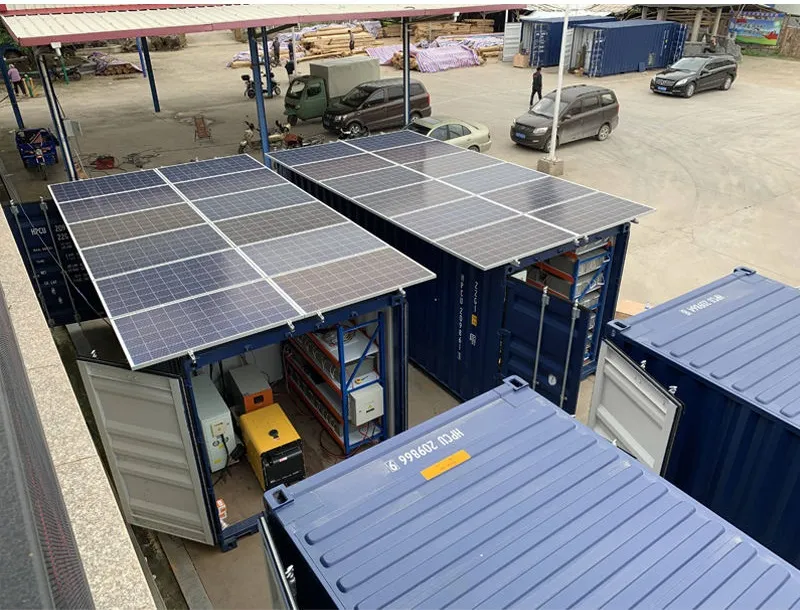
Picture this: you've invested in a state-of-the-art solar system to power your home, feeling good about saving money and the planet. But gradually, you notice your energy production decreasing faster than expected. What you might be experiencing is the silent killer of solar panels - Potential Induced Degradation (PID). The unsung heroes in this battle? Packaging materials. Like the protective armor around a knight, your panel's backsheets and encapsulants make all the difference between decades of clean energy and premature system failure.
The Sneaky Thief Stealing Your Sun Power
Potential Induced Degradation isn't some sci-fi concept - it's the slow erosion of your solar investment. When modules are connected in long strings, they create voltage differences up to 1,500 volts between solar cells and grounded frames. This electrical stress literally pulls power-generating ions out of the silicon cells like invisible thieves in the night.
Think of PID like car rust: Humidity enters through microscopic gaps, salts from the environment create electrical pathways, and voltage pressure acts like an accelerator pedal to corrosion. Backsheets are your weatherproof coating, encapsulants your rust inhibitors - get either wrong and your panel's performance crumbles.
But here's what most solar shoppers never consider: humidity doesn't just come from rain showers. Nighttime dew cycles, fog rolling in during chilly mornings, even coastal air’s invisible moisture penetrates packaging. As Arizona State University researchers proved, a weak backsheet can leak 9× more humidity than premium counterparts - essentially waterboarding your solar cells daily.
Solar Panel Armor: Backsheets Decoded
PVF (Tedlar®)
The luxury sedan option: Fluoropolymer layers create virtually impermeable moisture barriers. Like Gore-Tex for solar panels, they breathe vapor out while locking liquid water out. Lab tests show less than 2% power loss after PID torture tests.
PVDF (Kynar®)
The sporty alternative: Almost as moisture-resistant as PVF but more flexible. Perfect for curved installations or extreme temperature swings. Watch out for low-cost knockoffs though - authentic brands resist yellowing after UV exposure.
Polyamide (PA)
The budget sedan: Works fine until humidity shows up. In damp climates, PA turns into a sponge - leading to 8-9% power loss after PID stress. Like leaving your phone in a steamy bathroom daily.
ECTFE (Halar®)
The dark horse: Chemically similar to Teflon® with amazing humidity resistance. Still rare in solar but lab results look promising. Perfect for salty coastal air where corrosion accelerates.
"Our stress tests proved backsheets aren't just passive protectors - they actively determine PID vulnerability by controlling humidity access to the heart of solar cells." - Solar Energy Journal, March 2023
The Glue That Holds Everything Together
While backsheets get all the press, encapsulants are the unsung heroes between your solar cells and glass. Traditional EVA (ethylene-vinyl acetate) acts like sticky tape - great adhesion but develops microscopic cracks when baked under desert sun. POE (polyolefin elastomer) is the industrial-grade epoxy alternative resisting humidity even when your backsheet leaks.
Real-World Proof
In field tests across Saudi Arabian solar farms, panels with "budget" PA backsheets and EVA encapsulants degraded 9% annually. Switching to identical backsheets but POE encapsulants reduced PID to under 1%. That's the difference between replacing panels every 6 years versus getting 25+ years of service.
What makes POE the better bodyguard? Its chemical structure has fewer "hungry" molecules attracting water. Imagine EVA as a dry sponge sitting inside your panel - the moment humidity slips through the backsheet, it soaks it up. POE? More like a water-repellent fabric ignoring moisture droplets.
Why PID Matters to Your Wallet & The Planet
The solar industry's push for ultra-thin panels makes PID protection even more critical. New perovskite cells are PID-vulnerable superheroes - incredibly efficient but sensitive to humidity. That's why packaging innovations aren't just tweaks but foundational to solar's future.
Our research shows proper solar panel solutions combine three elements: First, PVF/PVDF backsheets acting like moisture armor. Second, POE encapsulants playing chemical defense. Third, frames engineered to prevent "electrical leakage highways" where cells connect to edges.
Top manufacturers now include PID-resistant design in warranties. Ask installers: "What's your PID mitigation strategy?" If they stare blankly, red flags should wave. Premium solutions like Trina Solar's Honey Ultra and QCells' QPeak Duo BLK-G10+ bake these protections into their DNA.
Beyond Today's Solar Solutions
Material scientists are cooking up exciting new packaging: Self-healing encapsulants repairing micro-cracks, graphene-infused backsheets blocking humidity 99.99% effectively, and even molecular "traps" capturing sodium ions before they reach cells.
But you don't need to wait for future tech. Today's solar panel solutions already protect against PID when you insist on certified packaging:
- IEC TS 62804-1 certification for PID resistance
- Accelerated testing (-1,500V at 85°C/85% humidity)
- POE encapsulation with premium backsheets
- Electroluminescence imaging showing no "dark cells"
The bottom line? Don't judge panels by spec sheets alone. Peel back the surface and examine what wraps the cells - because whether you're powering a home or city, robust packaging determines whether your solar investment soars or sinks.
Wrapping It Up (Pun Intended)
Solar panels may appear simple from afar, but their battle against PID reveals engineering complexities worthy of space shuttles. The packaging isn't just boxes and bubble wrap - it's the make-or-break shield ensuring your panels deliver on their energy promises.
As climate pressures mount, preventing degradation becomes environmental stewardship. Wasted solar panels mean more mining for raw materials, more manufacturing emissions, and more landfill waste. Your choice of solar panel solutions with proper packaging creates ripple effects far beyond your utility bill.
The desert sun has scorched proof into research journals: Invest in quality packaging or pay tenfold in replacements. With innovations emerging faster than monsoons flood valleys, we'll soon see even more resilience. But for now? Pick premium materials - your solar investment deserves armor, not tissue paper.










