
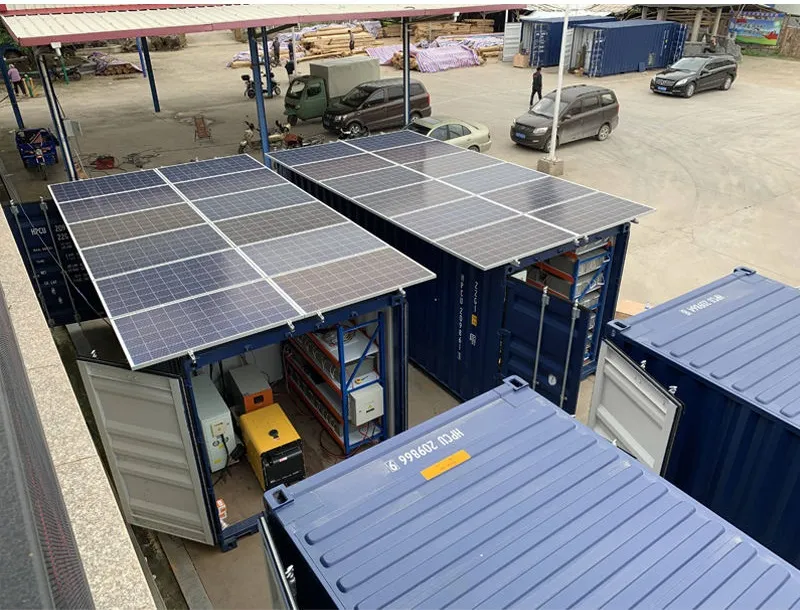
Ever wonder why that shiny new solar panel system you installed isn't producing quite the energy levels promised on the spec sheet? You're not alone. The gap between pristine laboratory testing and messy real-world conditions represents one of solar energy's most persistent puzzles. Let's unravel why your rooftop warriors behave differently outside than they do in controlled environments – and what that means for our clean energy future.
Laboratory testing happens under conditions as carefully controlled as a scientific experiment:
These immaculate conditions produce impressive efficiency numbers, but they're essentially solar panel utopia – disconnected from the chaotic reality where these systems actually operate.
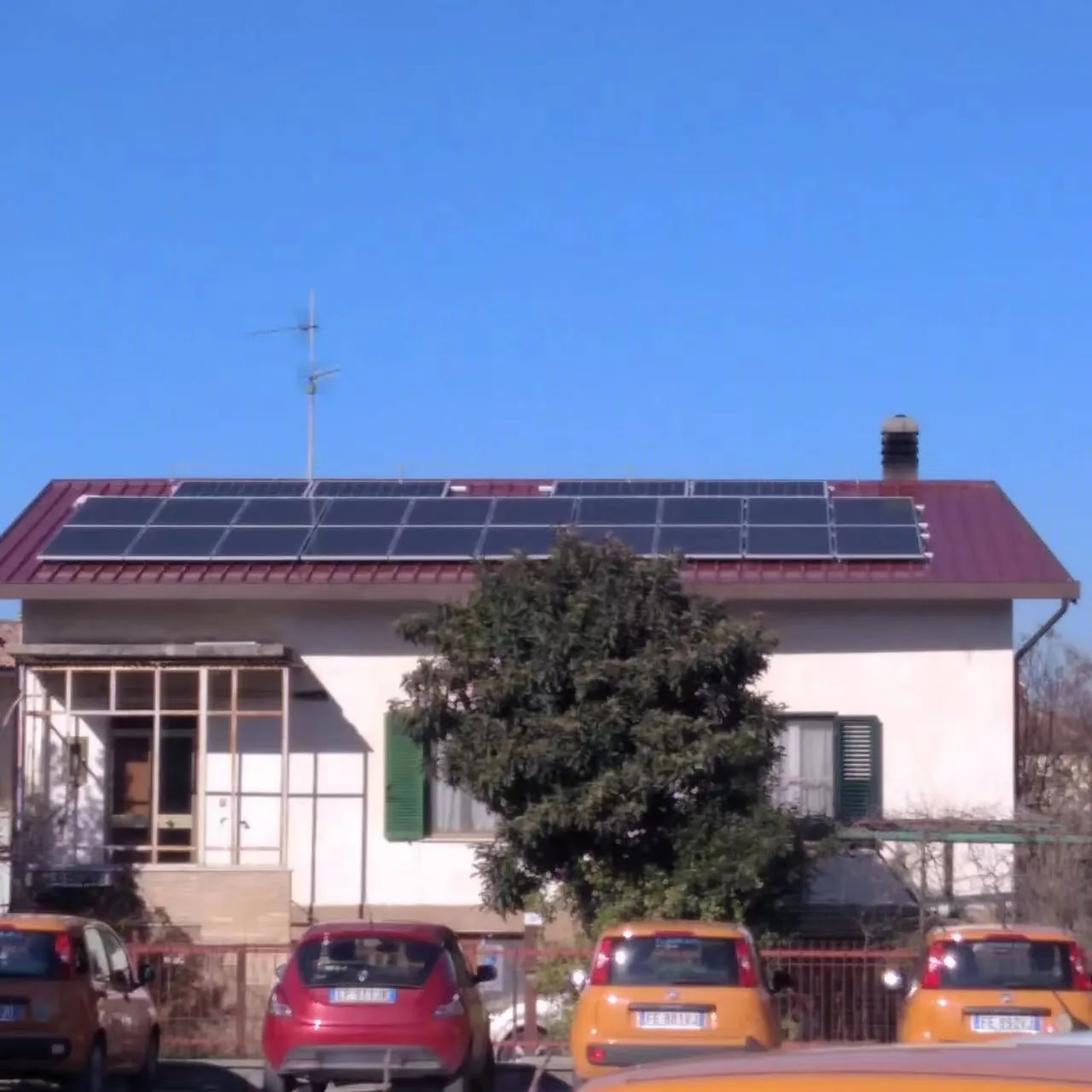
The outdoors transforms this controlled equation into a complex web of interacting variables:
While silicon loves sunlight, it hates heat. For every 1°C above 25°C, efficiency drops by 0.3-0.5%. Real modules easily hit 60-70°C on hot days – a 20% efficiency penalty compared to lab conditions.
Outside the lab, clouds create rollercoaster irradiance levels. Partial shading from trees or chimneys causes disproportionate power loss as electricity takes the path of least resistance through shaded cells.
Dust accumulation isn't just cosmetic – it can slash output by 15% monthly in dry climates. Bird droppings? They're efficiency assassins that can zero-out entire panel sections.
Array spacing plays a silent but crucial role in distributed solar power systems. Insufficient spacing creates "PV tanning booths" where each row preheats the next, worsening temperature-induced efficiency drops.
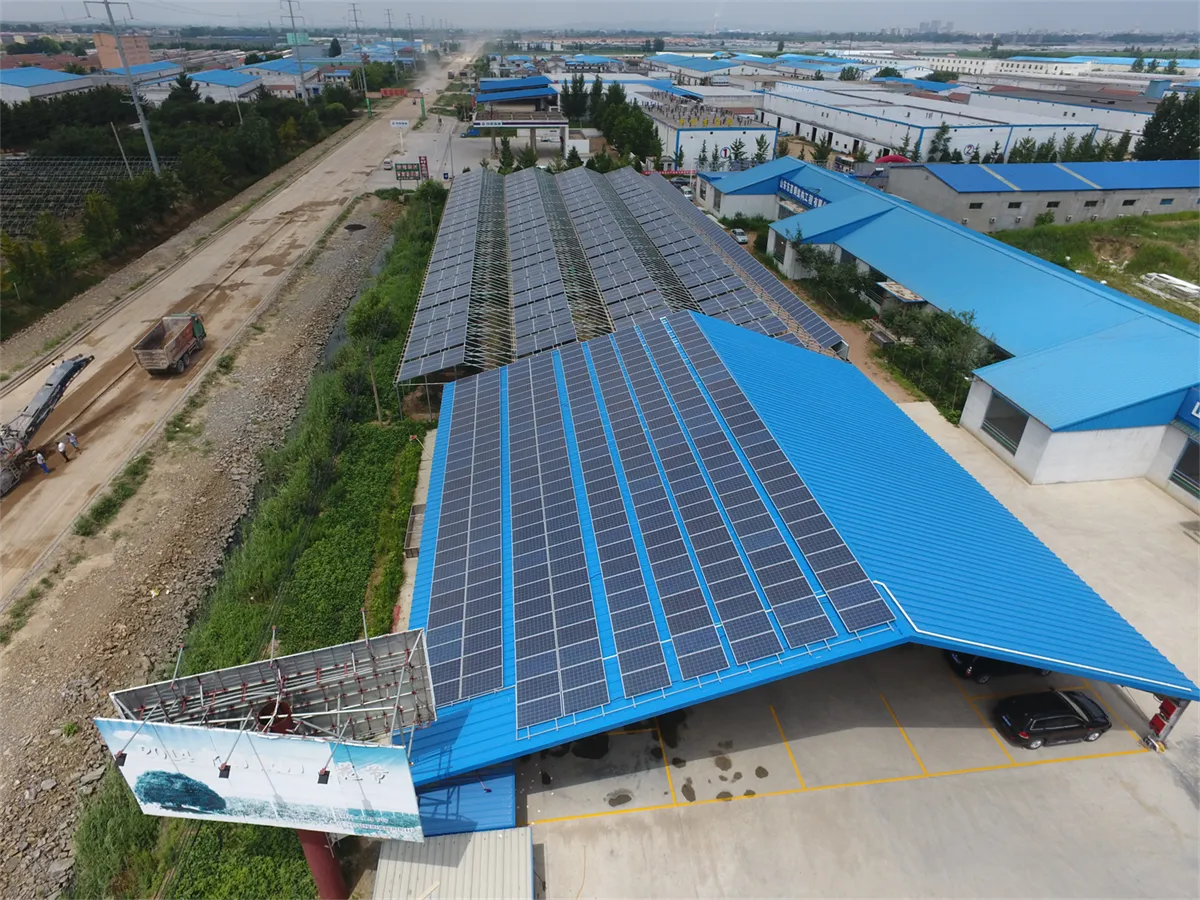
Recent field studies reveal troubling disparities between lab promises and street-level performance:
These gaps aren't trivial – they represent hundreds of kilowatt-hours annually for residential systems and millions in revenue for utility-scale projects. It's the difference between meeting sustainability targets and falling short.
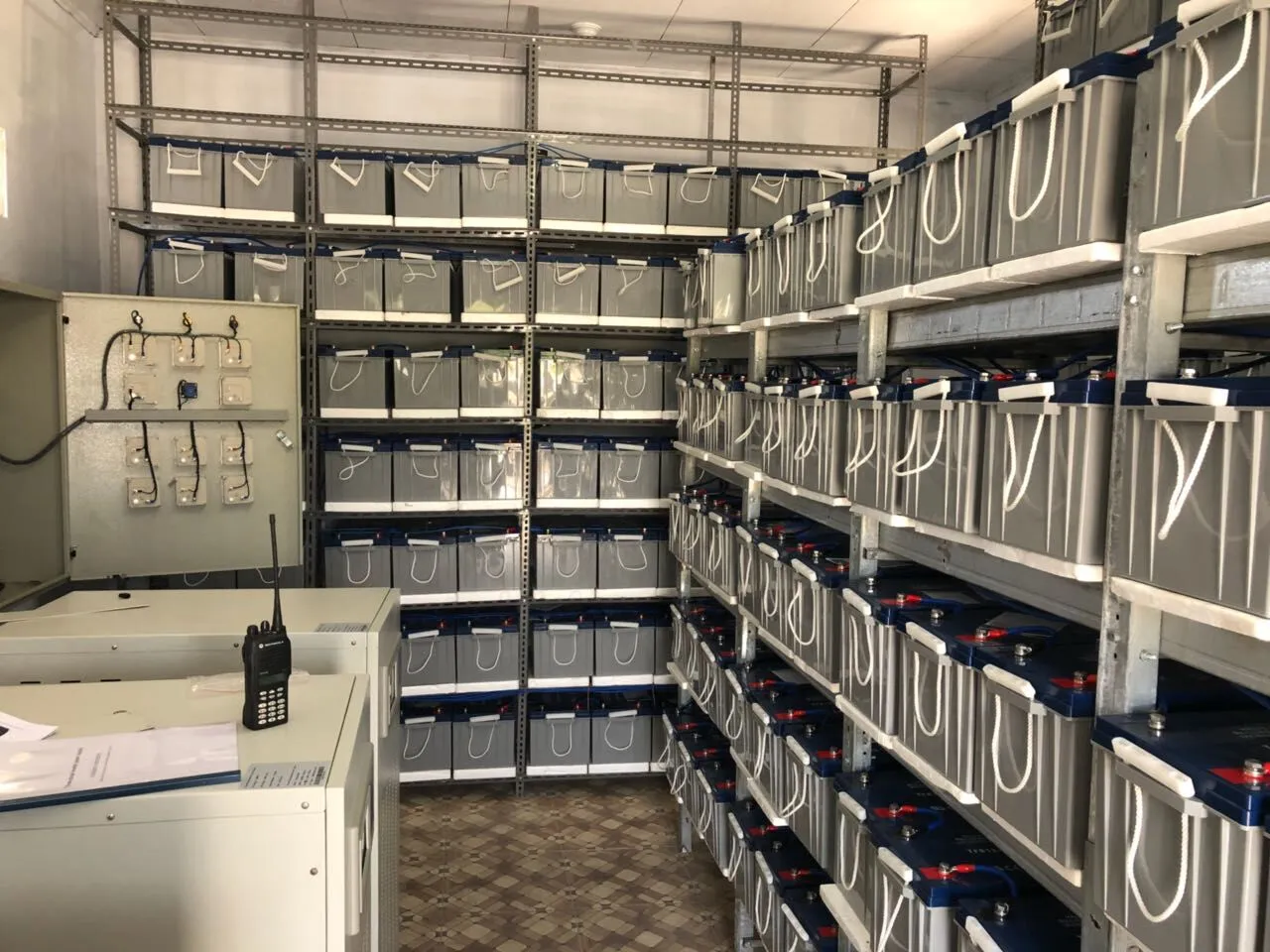
The future requires approaches that respect solar technology's real-world context:
Beyond smarter physical installations, technology offers solutions:
The industry is gradually shifting toward more realistic testing standards like PTC (PVUSA Test Conditions) that use actual field data for rating predictions, though these still can't capture location-specific variables.
Surprisingly, human decisions significantly impact the lab-to-field gap:
Installation Choices: Opting for cheap racking that positions panels flush against roofs instead of allowing airflow worsens temperature losses. Similarly, clustering panels too closely to save space creates efficiency-sapping heat islands.
Maintenance Culture: Systems cleaned monthly maintain 97% of potential output versus 85% for quarterly cleaning. But cleaning too aggressively can cause micro-scratches that permanently scatter light.
The solution combines technical literacy with practical wisdom. Installers need to treat each site as a unique ecosystem, not just an assembly job.
The next generation of solar technology acknowledges its environmental context:
This evolution represents a shift from treating solar panels as standalone components to viewing them as elements within larger ecological and architectural systems.
The gap between lab predictions and outdoor reality isn't a failure of solar technology – it's an invitation to engage more deeply with how energy systems interact with their environments. By acknowledging that outdoor performance depends on an intricate dance between technology, installation choices, climate, and maintenance, we can:
Solar technology's true power emerges not in sterile labs, but in its ability to thrive amid real-world complexity. The panels performing admirably despite dust, heat, and weather fluctuations embody something more powerful than efficiency percentages: technological resilience.
Practical steps to minimize the lab-field performance gap:
As solar becomes humanity's primary energy source, embracing its real-world behavior – limitations included – isn't accepting imperfection. It's engaging with technology on Earth's terms, where the most sustainable solutions aren't the most efficient in theory, but the most resilient in practice.
Recommend Products












