
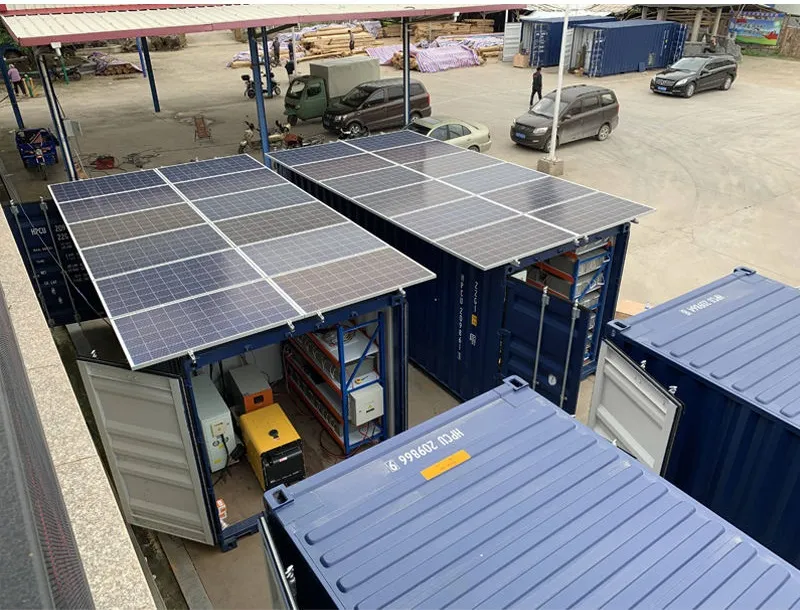
Hey there! If you're considering going solar, you've probably stumbled upon the great debate: flexible solar panels or traditional rigid ones? And let's be honest, your biggest question is likely, "Which one won't break the bank to install?" Well, grab a cup of coffee because we're diving deep into the nitty-gritty cost differences that'll help you make a smart choice for your home, RV, or business.
Right off the bat, flexible panels tend to hit your wallet harder. We're talking about $130–$225 for a 100W flexible panel, while traditional ones might only set you back $0.75–$1.50 per watt. Why the difference? Traditional panels have been around longer - manufacturers have fine-tuned production, achieving economies of scale that keep costs down.
With flex panels, you're paying for advanced materials like thin-film technology and specialized laminates that make them bendable. Traditional panels use tried-and-true crystalline silicon that's cheaper to produce but bulkier.
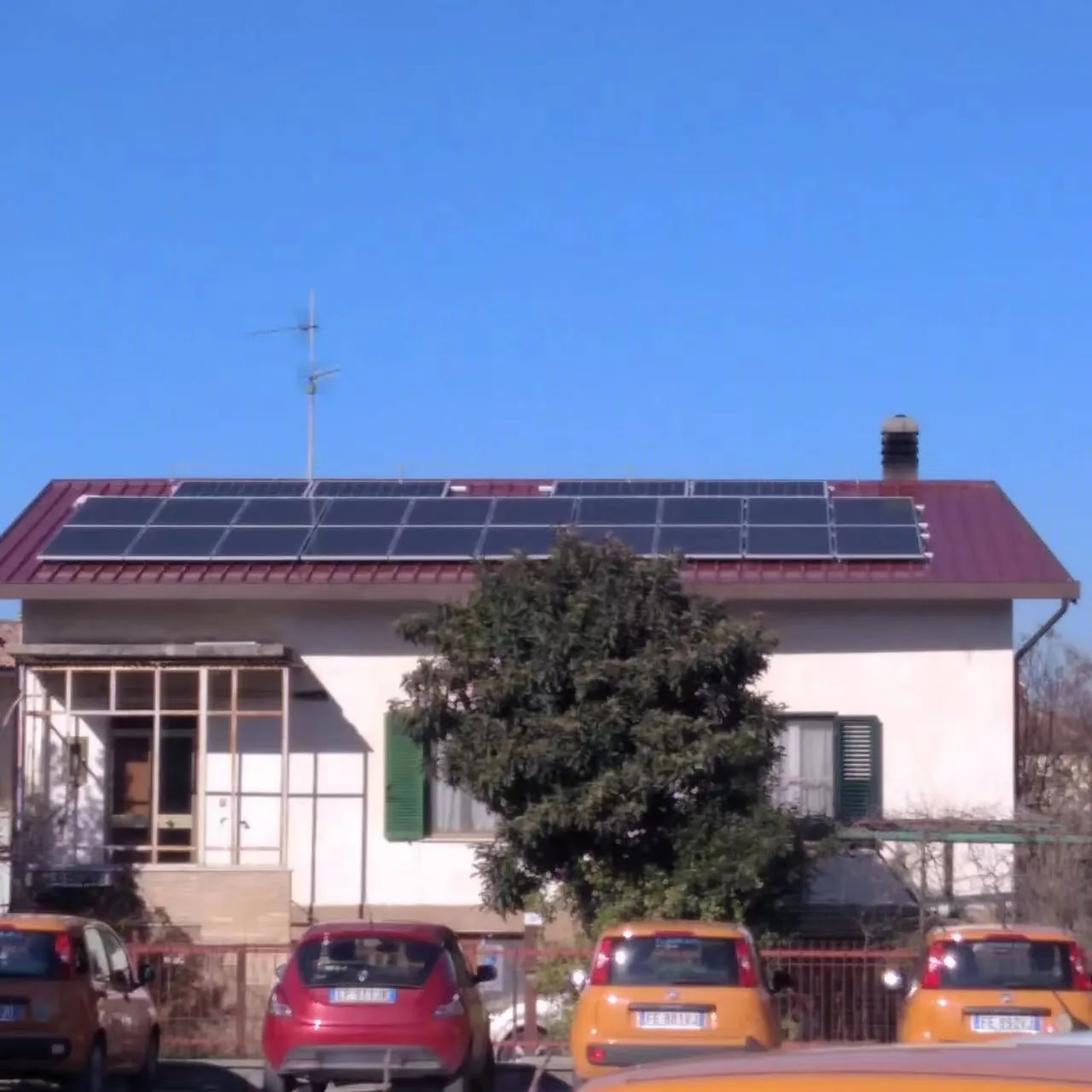
Here's where flex panels start to shine. Their featherlight design - sometimes 70% lighter than traditional panels - transforms installation from a construction project into something resembling mounting a poster. This cuts labor hours dramatically.
Real-talk scenario: For a typical residential roof install, traditional panels need:
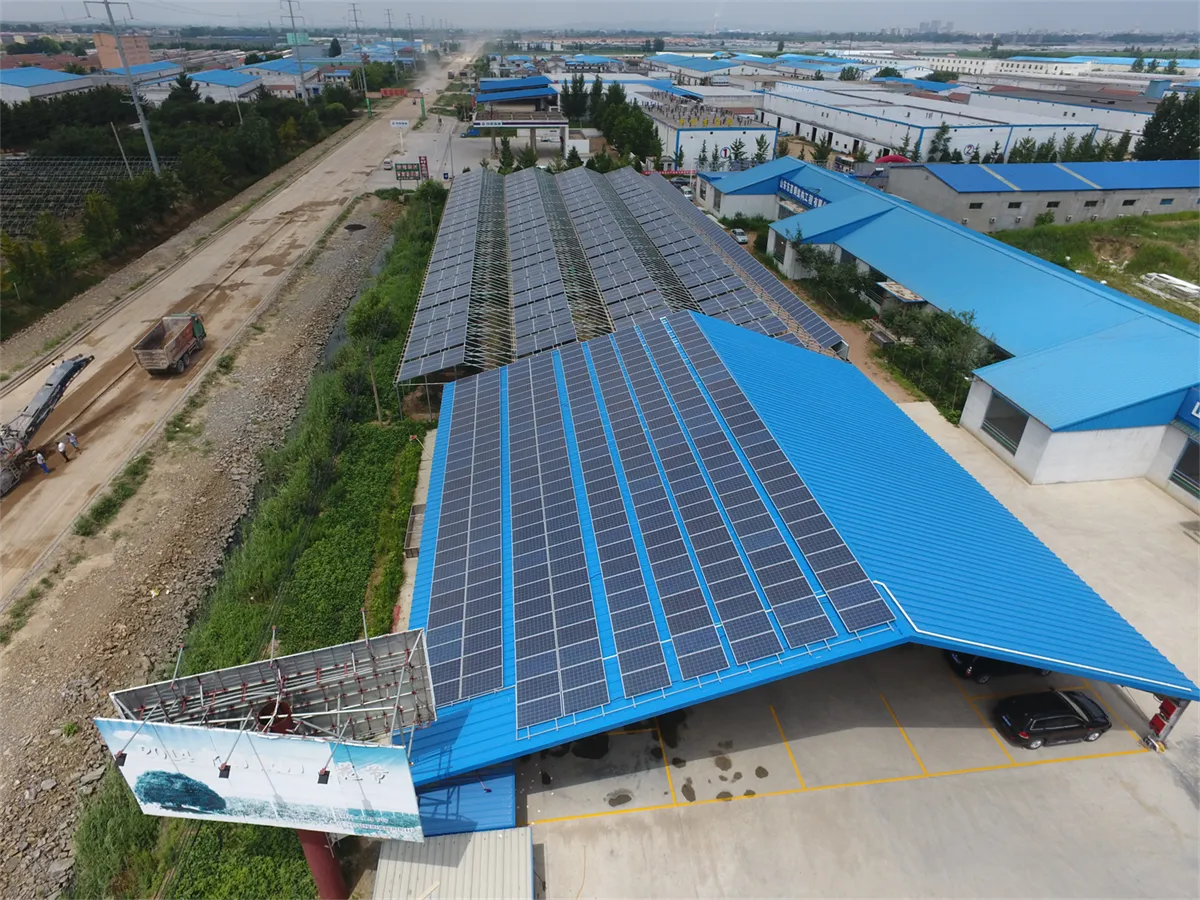
Ever tried lugging traditional solar panels? They're bulky and fragile. Flex panels roll up like yoga mats, meaning:
Many older roofs need structural upgrades to handle traditional panels' weight. That's another $800-2,000 you won't spend with lightweight flexible options. This makes flex panels particularly attractive for older homes with roofs that can't handle heavy loads.
| Factor | Flexible Panels | Traditional Panels |
|---|---|---|
| Efficiency | 10-15% | 15-22% |
| Lifespan | 10-20 years | 25-30 years |
| Output Over 20 Years | Lower efficiency + shorter life = less electricity | Higher sustained output |
| Degradation Rate | 1.5-2.5% per year | 0.5-1% per year |
| Warranty Coverage | Typically 5-10 years | Often 20-25 years |
That efficiency gap isn't just a number - it translates to real dollars. Over two decades, traditional panels typically generate 20-40% more electricity, significantly offsetting their higher installation costs. For commercial and industrial solar energy applications where long-term ROI is critical, traditional panels often win economically despite the higher initial installation investment.
Flexible panels aren't just lightweight alternatives - they're essential for:
Many homeowners install traditional panels on main roofs where they perform best, then use flexible panels on secondary structures like carports or sheds where conventional mounting isn't possible. This maximizes efficiency while working within structural constraints.
There's no universal winner - your savings depend entirely on your situation:
Choose Flexible Panels If:
Choose Traditional Panels If:
The bottom line? Flexible panels win on installation convenience and specialized applications. Traditional panels deliver more bang for your buck over time. For most homeowners with suitable roofs, the higher efficiency and longevity of traditional panels offset their installation costs within 5-10 years. But for unique situations needing lightweight solutions, flex panels are solar game-changers.
Whatever you choose, you're investing in cleaner energy - and that's something we can all get behind. Happy solar shopping!
Recommend Products












