
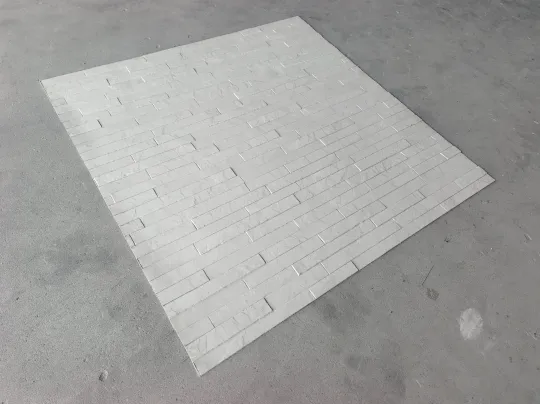
Discover the soul behind your stonework - how ancient techniques shape modern landscapes
Ever run your hand along a weathered stone wall and felt its story? That's the magic of masonry done right. Whether you're crafting a welcoming patio or building a garden wall that'll outlast generations, the decision between dry-laid and wet-laid techniques shapes more than just appearance - it determines character. Like choosing between a firm handshake and a warm hug, each method speaks a different language to those who experience it.
Throughout this deep dive, we'll explore how these approaches transform common materials like flagstone, bluestone, and granite into functional poetry. You'll discover how each technique dances with gravity, weather, and time differently - creating structures that either stand rigid against the elements or sway gracefully with the earth's movements.
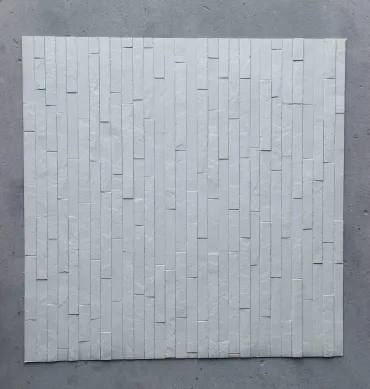
Picture stones whispering secrets in the wind - that's the essence of dry-laid masonry. By skipping the mortar and letting stones find their natural alignment, this method creates living structures that breathe with the landscape.
• Flexibility: Adjusts to ground shifts like a yoga master
• Natural drainage: Laughs in the face of frost heaves
• Cost-effective: Easier on the wallet initially
• Wildlife friendly: Creates cozy habitats for creatures
Site Preparation - Like preparing a canvas, we excavate 8-12 inches deep, creating a blank slate while ensuring proper slope for drainage.
Base Layering - A 4-6 inch gravel foundation becomes our shock absorber, compacted in layers like a professional baker stacking cakes.
Sand Bedding - A 2-inch sand layer acts as the stone's mattress, leveled carefully to cradle each piece.
Stone Placement - This is where artistry meets geology. We select stones like dance partners, fitting them together in a gravity-bound embrace with ⅛-¼ inch gaps.
Joint Filling - Polymeric sand or soil-seed mixtures fill the gaps, creating either clean lines or a living tapestry of groundcover.
Where dry-laid whispers, wet-laid sings with conviction. Mortar becomes the everlasting glue binding stones into monoliths that defy time. When using materials like granite or bluestone, this method transforms stone into permanent landscape architecture.
• Permanence: Stands unwavering against time and traffic
• Precision craftsmanship: Allows for artistic stone arrangements
• Weather resistance: Sealed against water intrusion
• Low-maintenance beauty: Requires minimal yearly attention
Concrete Foundation - Pouring a reinforced concrete slab (4-6 inches thick) creates an immovable stage for our stone performance.
Mortar Bed Application - A 1-inch layer of mortar mix becomes the adhesive canvas, raked for perfect adhesion.
Stone Setting - Each stone gets individually buttered with mortar on its underside before precise placement - like setting jewels in a crown.
Joint Mortaring - Using pointing tools, we sculpt mortar into joints with surgical precision, creating crisp lines that withstand weather assault.
Curing & Sealing - A 7-day curing period followed by quality sealant application creates an impervious surface ready for decades of use.
| Factor | Dry-Laid Stone | Wet-Laid Stone |
|---|---|---|
| Construction Time | 1-3 days (quicker installation) | 3-7 days (plus curing time) |
| Cost Implications | 15-30% less initial cost | Higher material + labor costs |
| Maintenance Needs | Annual re-sanding; weed control | Biannual sealing; occasional repointing |
| Lifespan Expectancy | 15-25 years (with maintenance) | 30-50+ years (when properly installed) |
| Climate Adaptability | Excellent in freeze-thaw regions | Requires drainage planning in cold climates |
| Aesthetic Flexibility | Organic, rustic appearance | Precise, formal patterns achievable |
Sarah's lakeside patio taught us a key lesson last spring. Using dry-laid bluestone seemed perfect until record rainfall tested our drainage plans. We ultimately added French drains around the perimeter – a solution that would've been costlier with wet-laid construction. Meanwhile, the Thompsons' wet-laid granite entrance has withstood fifteen New England winters without a single cracked stone, proving its permanent value.
The soul of your project lives in the stone itself. While both methods work with various materials, your choice impacts functionality:
• Irregular flagstone - loves natural settling
• Fieldstone - embraces rustic gaps
• Thin slate - works beautifully with sand bedding
• Precision-cut bluestone - craves permanent positioning
•
Granite
slabs - becomes monolithic when mortared
• Sandstone - seals beautifully against moisture
Pro Tip: The shape decides! Angular stones with flat bases thrive in dry systems, while dimensional stones with even thickness prefer wet applications. When sourcing granite specifically, inquire about porosity – critical for mortar bonding.
• You want rustic charm that ages gracefully
• Budget flexibility matters
• Ground conditions might shift (slopes/new construction)
• Natural drainage is crucial
• DIY-friendly approach appeals to you
• Permanent elegance defines your vision
• Heavy traffic or furniture is expected
• Formal patterns and precise edges matter
• Minimal long-term maintenance is essential
• Your terrain is exceptionally stable
At its core, the choice between dry and wet masonry mirrors how we build relationships – some connections thrive with breathing room and flexibility, while others demand solid foundations and permanent bonds. Your stonework will reflect this philosophy daily as it weathers, settles, and becomes part of your landscape's story.
Remember James's patio that bridged two techniques? Using wet-laid granite for the main entertaining area and transitioning to dry-laid flagstone near the garden created functional zoning while respecting drainage needs. This hybrid approach solved multiple problems beautifully. Your perfect solution might similarly defy simple categorization.
Through our exploration of gravel foundations, sand beds, mortar applications, and countless stones placed, one truth emerges: context dictates the winner in each project. That charming cottage garden begs for dry-laid stone's flexible poetry, while the grand entrance demands wet-laid masonry's permanent declaration. Each has earned its place in the landscape architect's toolbox.
As you plan your stone masterpiece, listen to the land itself. A well-draining slope dotted with oak trees will whisper different needs than that flat, formal entertaining space by the pool. The stones themselves - whether rugged granite or warm flagstone - will hint at their preferred installation method through their weight, texture, and formation.
So forget rigid rules and embrace creative solutions. After all, the most breathtaking landscapes marry technical precision with artistic intuition. Whichever path you choose, build with patience, respect the materials, and create spaces where memories will be made for generations. That's the true magic of masonry well executed.
Recommend Products












